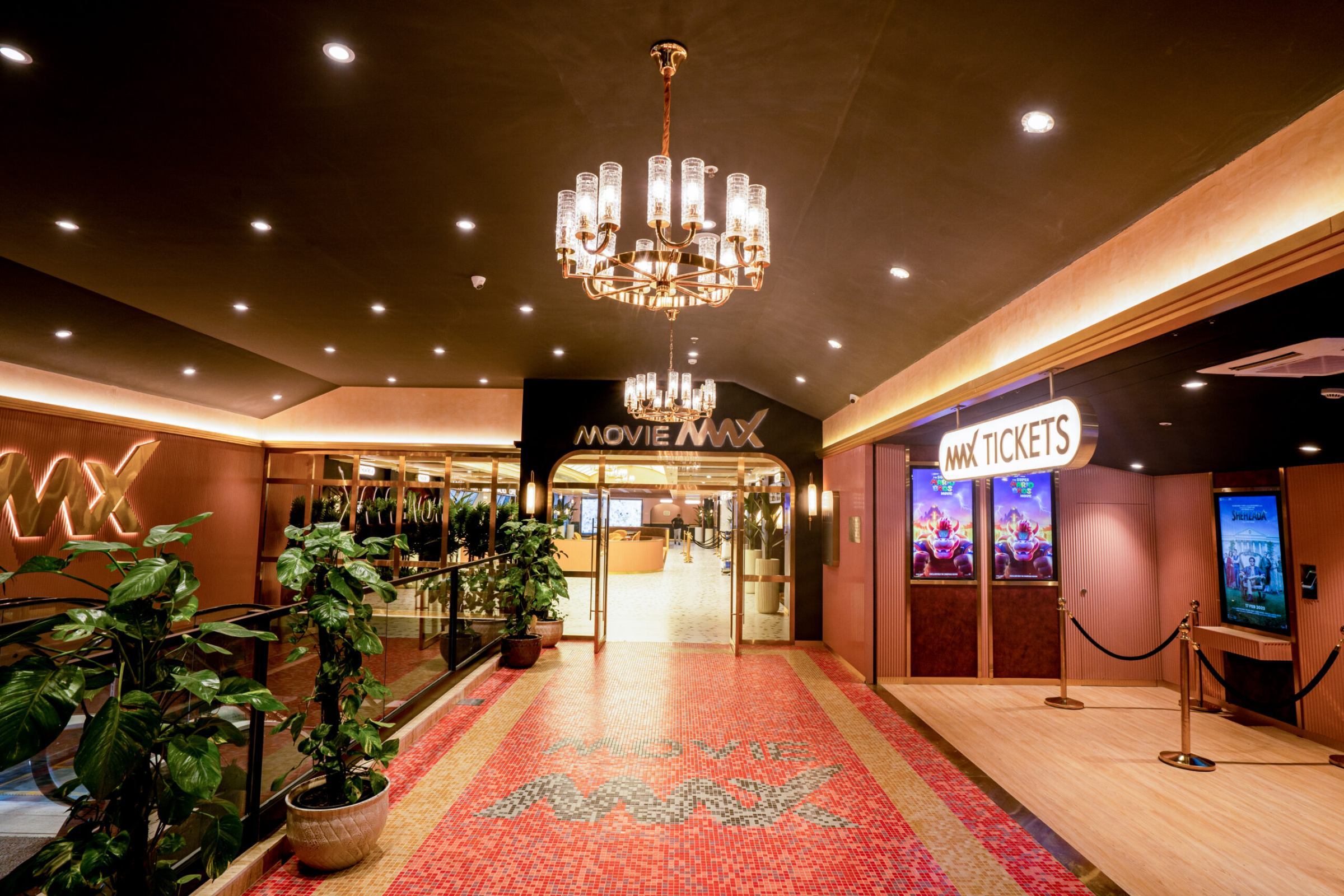
Cineline India Ltd Q4 FY26: Debt-Free Multibagger Blueprint or Just Another Box Office Illusion?
1. At a Glance
The financial ledger can be the ultimate master of illusion, transforming corporate balance sheets with the stroke of an accountant’s pen. For a long time, Cineline India Ltd looked like a classic debt-trap horror story, weighed down by non-core assets like a luxury resort business in Goa and an commercial real estate portfolio that was draining free cash. But the absolute latest financial releases for the period ending March 31, 2026, reveal a spectacular plot twist that has captured the attention of Dalal Street: Cineline has offloaded its non-core enterprise, R&H Spaces Private Limited, for a staggering ₹270 crore, using the proceeds to wipe out ₹228 crore of gross borrowings.
On paper, this massive asset-monetization masterstroke makes the company practically debt-free. It removes a crushing annual debt-servicing cost of approximately ₹22 crore and allows the firm to pivot cleanly toward its flagship multiplex brand, MovieMAX. For a company with a modest market capitalization of ₹267.38 crore, executing an asset sale equal to its entire market value is a massive, attention-grabbing corporate action.
Yet, looking closer into the audited figures reveals an interesting financial tension. While top-line performance for the full year reached an all-time high of ₹242.05 crore, the company’s raw operating dynamics remain highly volatile. Quarterly revenue for Q4 FY26 stood at ₹62.23 crore, down from ₹67.21 crore in Q3 FY26, signaling that box office traction remains highly dependent on movie releases. Furthermore, even with the massive balance sheet cleanup, the company’s long-term bank facilities remain tagged with a “BWR B+ / Stable / Issuer Not Cooperating” rating from Brickwork Ratings as of late 2025 due to past reporting friction.
Investors are caught in a classic dilemma: Is this newly debt-free exhibition business poised to achieve high-margin capital efficiency, or is it an erratic micro-cap bound to get squeezed out by giant competitors? Let’s take a look under the hood.
2. Introduction
Cineline India Ltd, incorporated in 2002, is a consumer discretionary player operating within India’s media, entertainment, and film exhibition sector. Part of the prominent Mumbai-based Kanakia Group, the company historically pioneered the “Cinemax” multiplex chain in the late 1990s and 2000s, building a premium reputation that culminated in a public listing.
In a classic corporate maneuver, the Kanakia family sold their original theatre portfolio to PVR in 2012 under a non-compete clause, shifting their focus toward commercial lease rentals and real estate development. Following the expiry of that non-compete agreement, the promoters staged a bold theatrical comeback in April 2022. They reclaimed their legacy properties and launched the new flagship brand, MovieMAX.
Today, Cineline has evolved from a regional, Mumbai-heavy presence into a rapidly growing national exhibition player. As per the latest operational filings, the company commands a presence across 15 cities with 22 operational cinemas housing 85 screens and a total seating capacity exceeding 21,100 seats. Operating across various models—ranging from owned assets and fixed lease models to variable revenue-sharing agreements and asset-light Operations & Management (O&M) structures—the company is attempting to establish a diversified, risk-mitigated footprint across major states including Maharashtra, Uttar Pradesh, Telangana, and Tamil Nadu.
3. Business Model – WTF Do They Even Do?
At its core, Cineline makes money from the collective human desire to watch larger-than-life stories on a massive screen while eating highly marked-up popcorn. The economics of a film exhibitor can be broken down into three main segments:
Box Office Collections: Selling tickets. Cineline retains a net share of the ticket price after splitting gross collections with film distributors based on weekly sliding scales.
Food & Beverages (F&B): The real margin driver. Selling gourmet snacks, popcorn, and carbonated water at premium prices to a captive audience.
Ancillary Income: Capitalizing on on-screen and in-lobby advertising, alongside charging convenience fees for online ticket bookings.
A historical breakdown of their revenues reveals a heavy dependence on film tickets and F&B, which together make up the majority of operational inflows, alongside minor contributions from advertising and digital platform commissions. In addition, the company owns and runs a 0.6 MW windmill facility in Gujarat and a 1.6 MW facility in Maharashtra, selling power back to state grids.
The structural risk here is clear: the model is highly dependent on content pipelines. If Bollywood produces a string of flops, footfalls drop, and popcorn stops selling. To counter this, management is trying to pivot away from high-capex, fixed-rental property ownership toward an asset-light, revenue-sharing model. This approach reduces fixed liabilities and ties rental costs directly to box office performance.
4. Financials Overview
The audited figures for the quarter ended March 31, 2026, highlight the contrast between historical GAAP metrics and the underlying reality of an exhibition business heavily impacted by Ind AS 116 lease accounting guidelines.
Consolidated Performance Summary
(Figures in ₹ Crores)
Metric
Latest Quarter (Q4 FY26)
Same Quarter Last Year (YoY Q4 FY25)
Previous Quarter (QoQ Q3 FY26)
Total Revenue
62.23
55.39
67.21
EBITDA
13.77
4.33
17.17
PAT
3.32
-7.04
6.21
Annualised EPS (₹)
3.88
-8.20
7.24
Recalculated P/E (x)
20.10
Negative
10.77
Looking at past conference call transcripts from FY24 and FY25, management repeatedly promised that offloading non-core real estate assets would eliminate interest expenses and stabilize net earnings. The numbers show they