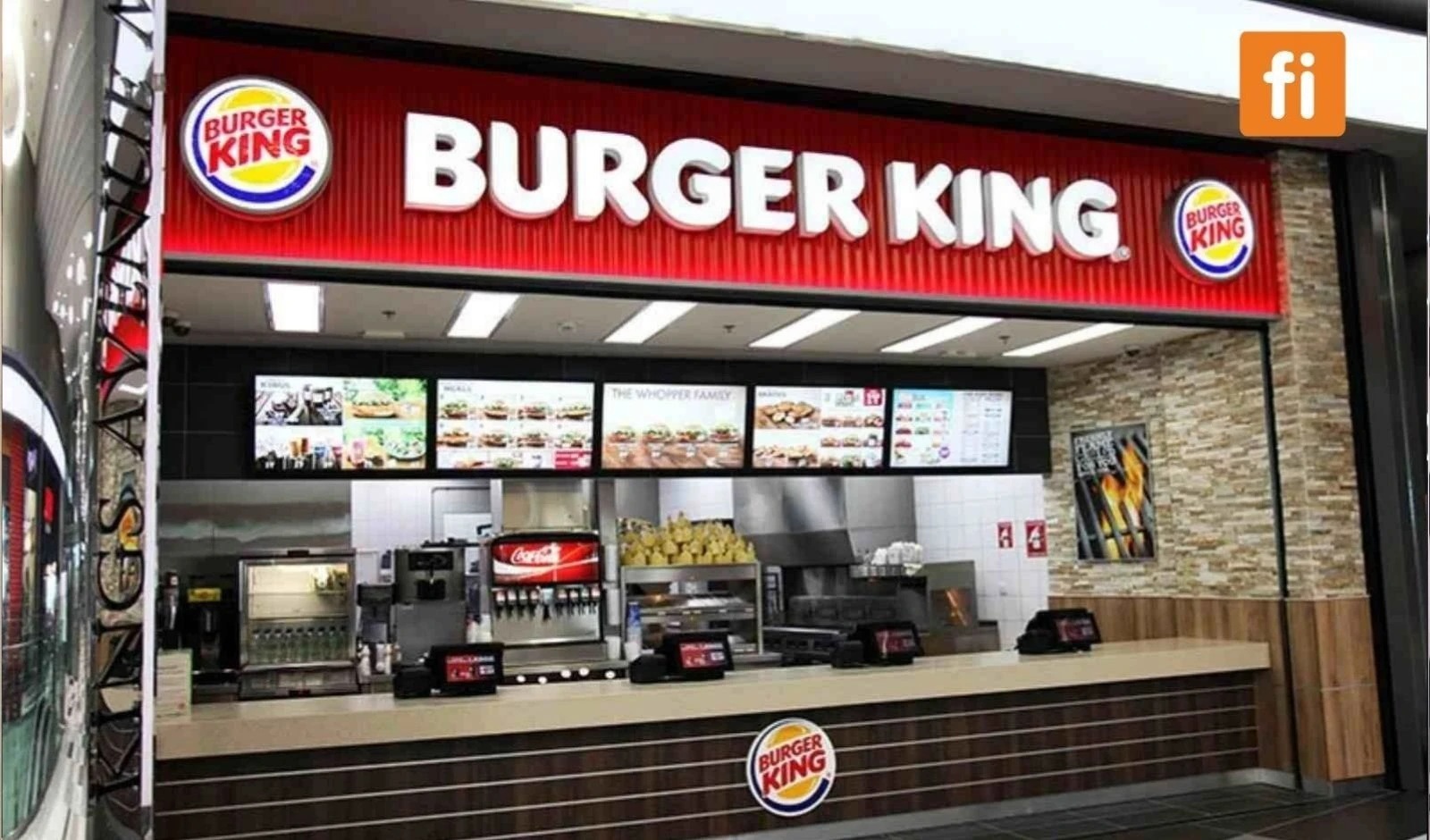
Restaurant Brands Asia Q4 FY26: The Whopper of All Deficits as Consolidated Annual Loss Hits ₹2,041 Million
1. At a Glance
A fast-food giant expanding its physical footprint at breakneck speed can easily blinding-flash its way into investor portfolios. Restaurant Brands Asia Limited presents exactly this paradigm. The company has successfully scaled its presence across major urban hubs, capturing significant consumer mindshare with aggressive product positioning, high-profile multi-brand master franchises, and a digitally driven ordering pipeline. Operational updates showcase surging restaurant counts and rising average daily sales in core domestic territories.
Beneath the sizzling top-line growth and the structural margin enhancements lies a deeply strained financial layout that demands cold, objective accounting scrutiny. For the full financial year ended March 31, 2026, the company reported a massive audited consolidated net loss of ₹2,041.28 million. This builds upon a legacy of persistent bottom-line distress, with a consolidated net loss of ₹2,327.94 million in the previous fiscal year. The continuous accumulation of net deficits has severely eroded the capital structure, pushing the company’s consolidated borrowings to an eye-watering ₹1,967 crore by March 2026.
The underlying structural vulnerability is highlighted by an incredibly weak interest coverage ratio of -0.07 and an aggressive debt-to-equity ratio of 2.73. Furthermore, the consolidated return on equity sits deeply in negative territory at -22.7%. The international operations in Indonesia present a serious operational bottleneck, dragging down the domestic business’s structural gains through severe underabsorption of fixed costs, regulatory changes, and regional underperformance. Investors mesmerized by top-line velocity must look closer at this intricate web of massive leverage, massive depreciation, and persistent consolidated net losses.
2. Introduction
Restaurant Brands Asia Limited, formerly recognized in the Indian capital markets as Burger King India Limited, has positioned itself as a premier high-growth player in the quick-service restaurant industry. Operating as the exclusive national master franchisee for Burger King in India, the corporate entity controls the complete development, operational layout, and franchising rights across the domestic market. The company extended its geographic perimeter by securing master franchise rights for Burger King and Popeyes in Indonesia through its specialized corporate subsidiaries.
The company’s core strategic narrative revolves around aggressive market-share acquisition, driving rapid network expansion, and leveraging technology to optimize store-level unit economics. Over the last few fiscal periods, the company has aggressively scaled its restaurant footprint from 315 domestic locations in FY22 to a massive 577 locations by the conclusion of December 2025, rapidly closing in on its target of 600 operational restaurants. This structural build-out has been complemented by the roll-out of the specialized BK Café format to capture high-margin beverage layers.
However, the aggressive pursuit of territorial footprint has come at an extraordinary financial cost. The operational blueprint of a modern QSR network requires massive upfront capital allocation for store designs, localized supply chain integration, and high leasehold obligations. This intensive capital deployment model has outpaced the internal cash generation capacity of the business, forcing a continuous reliance on external debt capital and dilutive equity raises. As a public corporate entity, the divergence between its impressive operational scale and its deeply compromised consolidated profitability provides a classic case study in aggressive corporate expansion.
3. Business Model – WTF Do They Even Do?
To the average consumer, this company is simply a venue that exchanges flame-broiled meat and crispy fries for electronic currency. To a sophisticated accountant, however, Restaurant Brands Asia is a highly complex, capital-heavy logistical machine that operates under strict international master franchise mandates. The company does not own the global intellectual property of Burger King or Popeyes; instead, it purchases long-term territorial operational rights from international brand custodians under strict performance-based development agreements.
The revenue model relies entirely on volume-driven consumer transactions split across distinct structural channels: dine-in traffic, app-based native digital delivery, and third-party aggregator networks. To drive corporate margins, the company utilizes a classic product laddering framework. It uses hyper-aggressive, low-margin value bundles (like the “2 for 79” or ₹99 promotions) as tactical anchors to drive footfall and digital app downloads, while trying to systematically transition consumers toward high-margin premium gourmet burgers, specialized sides, and shake combinations.
The corporate plot thickens when you look at its international segments. In India, the business has achieved significant operational scale, with a 69.9% gross margin and an efficient supply chain network. In Indonesia, the model has stumbled into structural inefficiencies. The subsidiary has faced heavy geopolitical headwinds and changing local consumer habits, shifting its product mix heavily toward low-margin commodity chicken platforms. This forced the closing of 26 underperforming Indonesian Burger King stores for portfolio rationalization, while scrambling to scale up the underperforming Popeyes chicken network.
4. Financials Overview
Evaluating the financial position requires a strict separation of corporate realities. Standalone performance and consolidated metrics tell entirely different stories. The latest financial disclosures present a clear view of the final quarter and the full financial year ended March 31, 2026.
The company reports its official results in millions of rupees, which are kept intact below to preserve absolute data integrity, alongside a consolidated quarterly comparison.