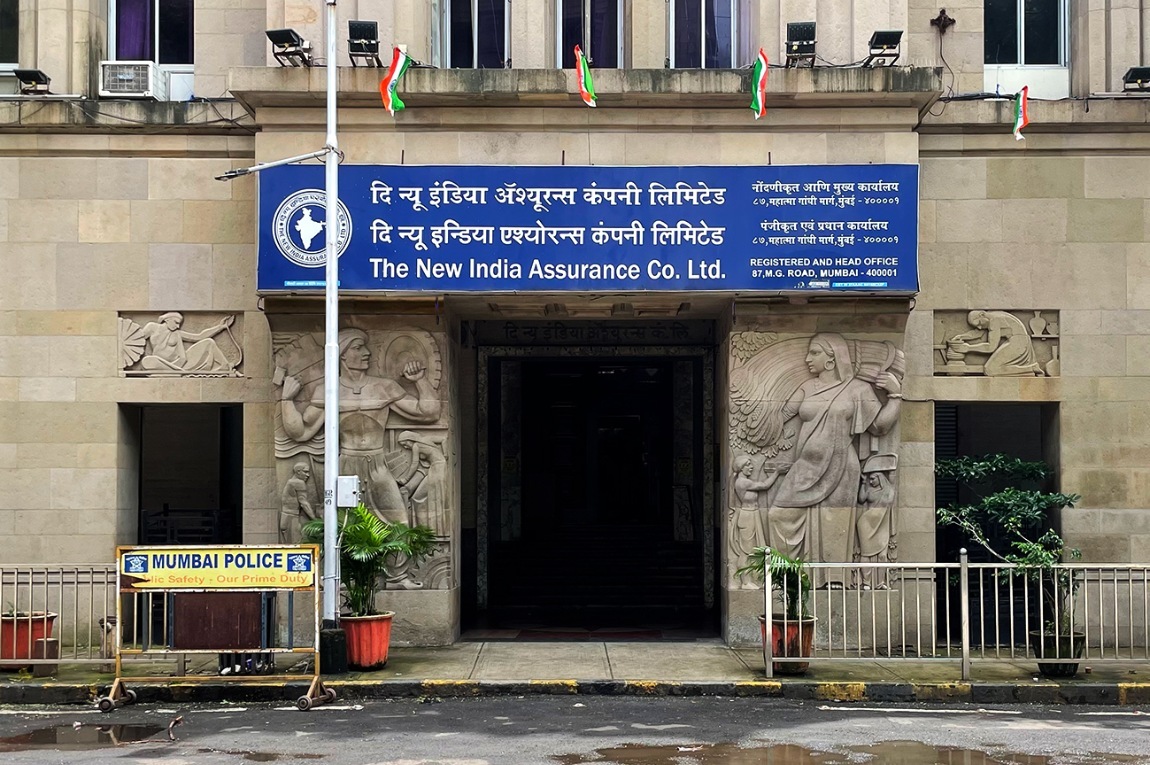
At a Glance
New India Assurance (NIACL), the undisputed heavyweight champion of the Indian non-life insurance sector, just dropped its FY26 scorecard. On the surface, the numbers look like a victory lap—a 61% surge in Q4 Net Profit and a 40% jump in annual PAT. But for a seasoned financial detective, the beauty is only skin deep. This is a story of a Government-backed titan using its massive investment muscle to mask a fundamentally bruised underwriting engine.
The company is currently fighting a war on two fronts. First, it just swallowed a massive ₹3,525 Crore pill in the form of wage revisions and family pension hikes. Most companies would choke on such a number, but NIACL simply liquidated some of its equity gains to pay the bill. Second, its core business—writing insurance—is still bleeding. The Combined Ratio stands at a bloated 122.57%. In simple English, for every ₹100 they collect in premium, they are spending over ₹122 on claims and expenses.
Investors are currently staring at a paradox. You have a market leader that grew its domestic market share to 12.74%, outpacing the industry, yet it hasn’t turned an underwriting profit in years. The Incurred Claims Ratio (ICR) in Motor Third Party is at a staggering 133.85% because the government hasn’t allowed a price hike.
The red flags are waving in the wind. The auditors have once again qualified their opinion, pointing to unreconciled inter-office balances and bank transactions. When the auditors say they can’t verify if the “dues from/to reinsurers” are accurate, it’s a sign that the plumbing inside this 107-year-old mansion needs serious repair. With an AUM of ₹96,652 Crore, the stakes couldn’t be higher.
Introduction
New India Assurance isn’t just a company; it’s a national infrastructure. Established in 1919 by Sir Dorabji Tata and now owned 85.44% by the Government of India, it operates in 24 countries and holds the largest slice of the Indian general insurance pie. While private players like ICICI Lombard and Star Health fight for specific niches, NIACL is everywhere—from massive aviation covers for Air India to tiny crop insurance policies in rural heartlands.
In the 2026 financial year, the company proved it can still grow, recording a Gross Written Premium (GWP) of ₹47,174 Crore, an 8.15% increase. However, the narrative this year was dominated by “one-offs.” The long-awaited wage revision for public sector insurance employees finally hit the books.
The management is desperately trying to pivot. They are pulling back from unviable corporate accounts and “de-risking” the portfolio. They’ve declared this the “Year of the SME,” hoping that smaller, higher-margin retail business will save them from the