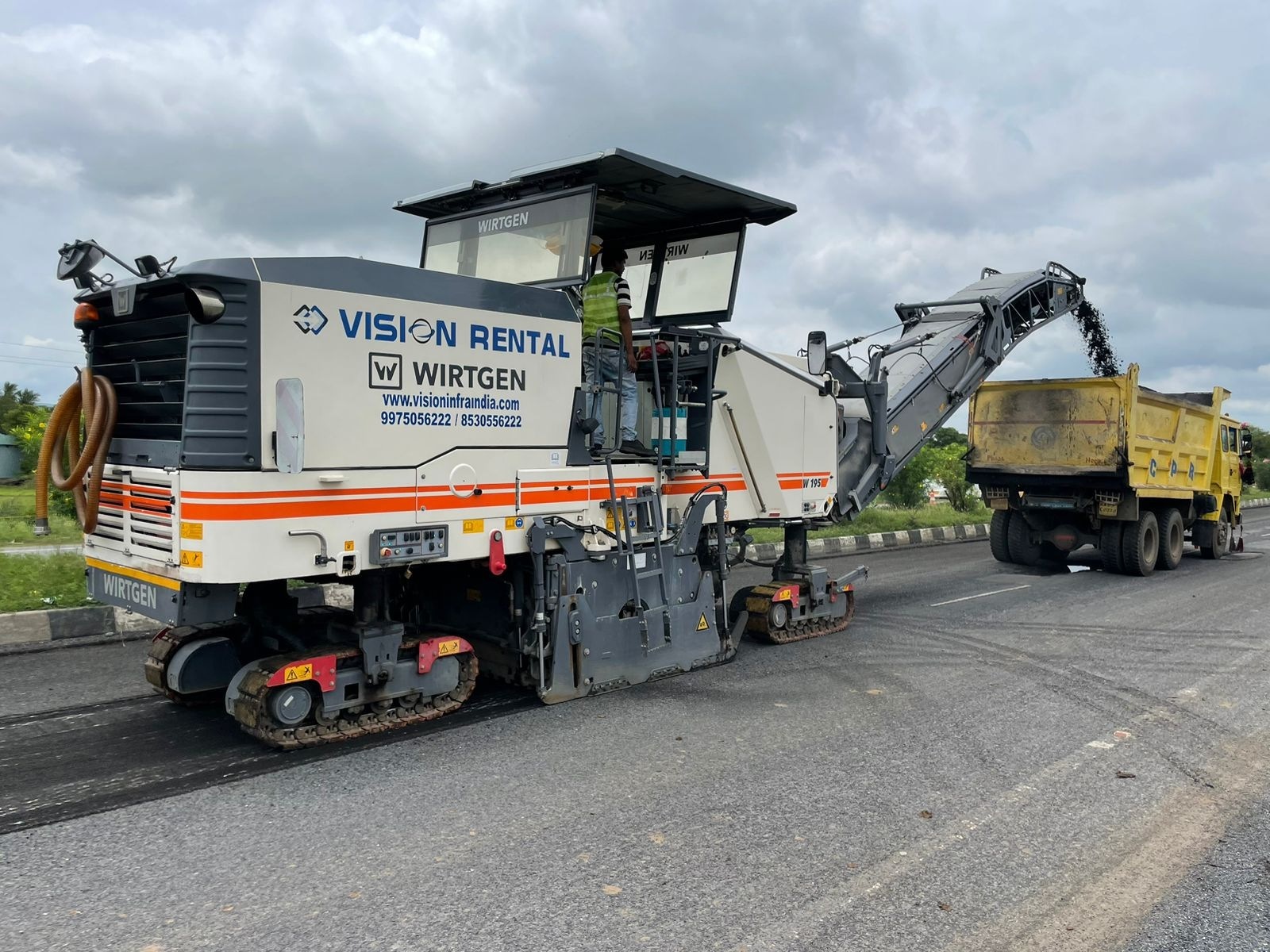
The infrastructure sector in India is currently witnessing a massive capex cycle, and Vision Infra Equipment Solutions Ltd (VIESL) is positioning itself right in the middle of the dust and diesel. With the government earmarking nearly ₹11 lakh crore for infrastructure in FY26, VIESL has managed to turn this macro tailwind into a micro-level profit explosion.
1. At a Glance
The numbers coming out of VIESL’s FY26 audited report are, frankly, sensational. We are looking at a 93.8% Y-o-Y surge in Profit After Tax (PAT), reaching ₹66.01 crore. This isn’t just a minor bump; it is a fundamental shift in the company’s earning power. Revenue grew by a solid 36.9% to hit ₹621.93 crore, while the EBITDA margin held firm at a healthy 28.7%.
However, before you get blinded by the flashing green lights, look at the debt. Total borrowings have climbed to ₹377 crore, and while the Debt-to-Equity ratio improved to 1.36x, the company is heavily leveraged. They are playing a high-stakes game of “borrow to grow,” relying on continuous infrastructure spending to service that interest cost, which rose to ₹36 crore this year.
The real intrigue lies in the Refurbishment & Trading vertical. While rental is the “steady” side, refurbishment is now contributing 54% of revenue, with a massive 80-85% export mix. VIESL is essentially buying old iron, fixing it up in India (leveraging low labor costs), and shipping it to South America, Australia, and the Middle East. It’s a clever arbitrage, but it comes with a 90-100 day receivable cycle that eats into liquidity.
The company just raised ₹134 crore via preferential warrants, with the first ₹33 crore hitting the bank in Q4. This capital is the fuel for their FY27 target of 25-30% revenue growth. They are doubling down on specialized services like concrete texturing and milling, betting that India’s aging highways will soon need more maintenance than new construction.
2. Introduction
Vision Infra Equipment Solutions Ltd is not your average “crane for hire” shop. Founded in 2015, it has rapidly scaled into a “one-stop solution” for the biggest names in Indian infrastructure. If there is a major highway, airport, or metro project happening in India, there is a high probability a VIESL-owned machine is on-site.
The company operates through a dual-engine model: Rental Services and Refurbishment/Trading. The synergy here is vital—they use new machines for high-end rental contracts and, as the equipment ages, they refurbish and sell it, often to international markets. This keeps their internal fleet “young” (average age under 3 years) while maximizing the lifecycle value of every asset.
With a fleet of 545 machines and a presence across 28 states, they have scaled beyond the “small player” tag. They serve the titans: L&T, Tata Projects, IRB Infra, and Adani (Airports). But with great scale comes great complexity. The shift in depreciation methodology this year from WDV to SLM suggests a management team that is cleaning up the books to look more “comparable” to global peers—or perhaps just trying to smooth out the earnings volatility.
Is this a lean, mean, infra-machine, or a debt-heavy asset play waiting for a slowdown? Let’s dive into the mechanics.
3. Business Model – WTF Do They Even Do?
Think of VIESL as the “Uber for high-end road construction machinery,” but they also own the cars and have a garage to fix them.
Rental Services (The Bread and Butter)
They don’t just lease a roller and walk away. They offer output-based