1. At a Glance
Kewal Kiran Clothing Limited (KKCL) isn’t just selling jeans; it is orchestrating a high-stakes pivot from a legacy denim house to a diversified fashion powerhouse. The numbers for FY26 are out, and they scream scale. We are looking at a company that just crossed the ₹ 1,212.8 crore revenue mark, growing at a blistering 20.9% YoY. On paper, this looks like a dream run, but the detective in us sees a more complex story unfolding under the hood.
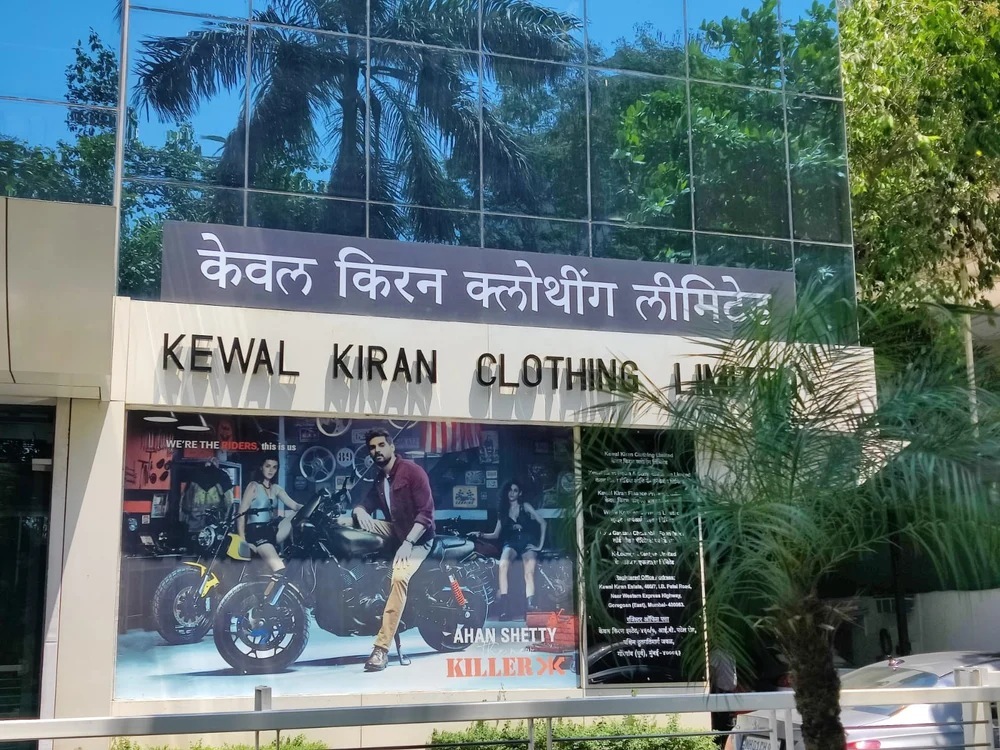
The flagship brand, Killer, continues to carry the heavy lifting, contributing a staggering 65% of revenue. While this concentration is a testament to the brand’s cult status, it also represents a massive single-point failure risk. Management is desperately trying to “choose its wars” by repositioning Lawman and Integriti, but these brands have spent years in a “transition drag,” effectively sitting on the sidelines while Killer does the dirty work.
The red flags are subtle but present. Working capital days have ballooned from 100 to 147 days, indicating that money is getting trapped in the system longer than it should. Inventory levels jumped to ₹ 257.5 crore from ₹ 224.8 crore. Why is the cash taking longer to come home? Is the aggressive EBO expansion into Tier-2 and Tier-3 cities pushing the limits of the supply chain?
The company is currently high on the adrenaline of its Kraus acquisition, which has integrated with surprisingly high margins (23.7% EBITDA in Q3). However, the standalone business remains muted, haunted by the ghost of “discretionary spending slowdown.” Investors are being fed a “Vision 2028” target of ₹ 1,500 crore, but with a flagship brand doing the majority of the work and a “no-man’s land” brand like Easies still waiting for a purpose, the path to that target is paved with operational hurdles.
Is KKCL a diversified lifestyle giant in the making, or just a one-hit-wonder brand trying to buy its way into new categories? The aggressive rollout of 666 stores is impressive, but the real test lies in whether the new “Junior Killer” and “Ethnic Wear” experiments can survive the cutthroat Indian retail jungle without cannibalizing the core.
2. Introduction
Kewal Kiran Clothing Limited (KKCL) stands as one of India’s veteran garment manufacturers, having survived the volatile shifts of the Indian fashion landscape since 1992. Born from a partnership firm in 1980, it has evolved into a multi-brand entity that dominates the mid-to-premium denim space.
The company operates a vertically integrated model, which is fancy corporate speak for saying they do everything from design to stitching to final retail. With four manufacturing units across Mumbai, Vapi, and Daman, they control the needle and the thread, allowing them to maintain those juicy 20% EBITDA margins that are the envy of the textile world.
The brand portfolio is tiered like a social hierarchy. Killer sits at the top as the premium anchor. Integriti and LawmanPg3 target the mid-market and partywear segments, while Easies tries to capture the mass-market professional. Recently, they’ve added Kraus to the mix to finally address the women’s segment, which was a glaring hole in their strategy for decades.
What makes KKCL unique is its distribution muscle. They aren’t just dependent on fancy malls; they have a massive presence in 3,000+ Multi-Brand Outlets (MBOs) and 2,700+ Large Format Store (LFS) counters. This “Omni-channel” approach is designed to catch the Indian consumer whether they are shopping at a high-end Reliance Trends or a local distributor in a Tier-3 town.
However, the recent pivot towards Exclusive Brand Outlets (EBOs), now totaling 666, signals a shift in strategy. They want to control the customer experience directly. This move is capital intensive and shifts the risk of unsold inventory directly onto the balance sheet. As they chase the ₹ 1,500 crore revenue target, the company is betting big on its ability to forecast fashion trends using AI—a bold claim for a business rooted in traditional manufacturing.
3. Business Model – WTF Do They Even Do?
At its core, KKCL is a “denim-first” factory that realized selling labels is more profitable than selling fabric. They take raw materials, turn them into “lifestyle products,” and slap a brand on them that resonates with the aspirational Indian youth.
They operate a “House of Brands” model. Imagine a landlord who owns five different apartments—one for the rich bachelor (Killer), one for the office goer (Easies), and one for the girl-next-door (Kraus). They use the same back-end manufacturing “plumbing” to service all these brands, which keeps costs low.
Their “Integrated Ecosystem” means they handle the trend forecasting, design, and manufacturing in-house. This gives them a “Speed to Market” advantage. While global giants might take months to move