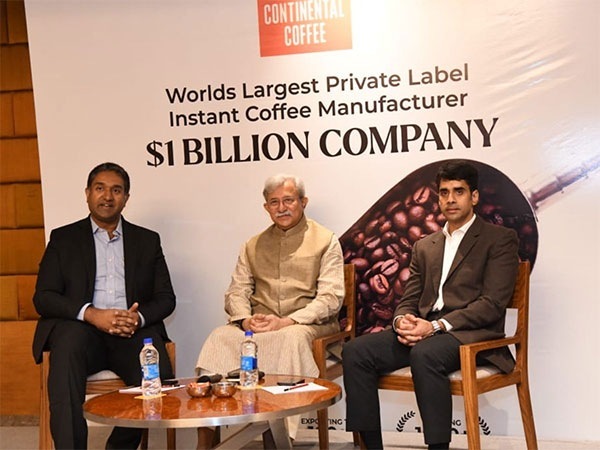
CCL Products (India) Ltd is no longer just a “coffee exporter.” It has transformed into a global supply chain titan that is effectively gaming the commodity cycle to its advantage. While most food processors are crying about green coffee prices hitting $5,000/tonne, CCL just clocked a 46.5% quarterly sales growth. The market is waking up to the fact that this company isn’t just selling caffeine; it’s selling high-margin engineering in a cup.
1. At a Glance
If you think coffee is a simple business, you haven’t been watching the ₹14,997 crore beast that is CCL Products. This company is currently the #1 private label instant coffee manufacturer globally, and it is behaving like a tech firm in a commodity skin. With a presence in over 90 countries and a library of 1,000 blends, they have effectively created a “moat of taste” that is nearly impossible for competitors to breach.
The numbers gaining investor attention are nothing short of aggressive. We are looking at a TTM Sales growth of 44% and a Profit growth of 25%. While the rest of the industry was struggling with geopolitical risks and freight hikes, CCL managed to ramp up its Vietnam and India capacities to a combined 77,000 Metric Tonnes.
But don’t let the growth blind you. There are sharp red flags that every serious analyst must weigh. The company’s inventory requirements have ballooned as green coffee prices surged from $1,000 to $5,000 over the last few years. This has forced the company to maintain a massive working capital cycle, with Inventory Days sitting at 131 days.
Furthermore, the Price to Earnings (P/E) ratio of 38.6 is nearly double the industry median of 21.8. The market is pricing CCL for perfection, leaving very little room for operational hiccups. The “Stable” rating from credit agencies like India Ratings is a hard-won badge, but it comes after a period where the company’s outlook was “Negative” due to debt-funded expansions.
The most intriguing part? Management has pivoted. They are moving away from just “bulk supply” to high-margin B2C branding (Continental Coffee) and Freeze-Dried technology. They are intentionally cannibalizing their old low-margin business to build a premium empire. Is this the start of a multi-year re-rating, or is the high raw material cost a ticking time bomb?
2. Introduction
CCL Products (India) Ltd is the silent giant behind your favorite global coffee brands. Headquartered in Hyderabad, this company operates a sophisticated “cost-plus” model that protects its margins even when the world is on fire.
The company’s journey from a small finance firm in 1961 to a global coffee powerhouse is a masterclass in strategic pivot. Today, they operate four massive factories across India, Vietnam, and Switzerland. They don’t just roast beans; they provide “end-to-end” solutions—from cleaning green beans to advanced Freeze-Drying and Aroma Recovery.
The latest financial results for Q4 FY26 (ending March 2026) show a company that is finally reaping the rewards of its massive CAPEX cycle. With revenues jumping to ₹1,224 crore in a single quarter, the scale is now reaching a critical mass.
Management has been vocal about its 15-20% EBITDA and Profit CAGR guidance, but the recent performance suggests they might be sandbagging. The shift toward branded B2C sales, which now contributes about 10% of revenue, is the real story here. They are fighting the likes of Nestle and Tata Consumer on their home turf and winning market share in South India.
This article breaks down the “Coffee Detective” case of CCL Products. We will look at why their debt is falling while their capacity is rising, and whether the current valuation is a “premium for quality” or a “trap for the latecomer.”
3. Business Model – WTF Do They Even Do?
CCL Products is the ultimate middleman, but with a PhD in chemistry and logistics. They buy green coffee beans, process them into various forms of instant coffee, and sell them to global retailers who slap their own labels on them.
- Private Label Kings: They supply to major retailers in over 90 countries. If you buy a “store brand” coffee in