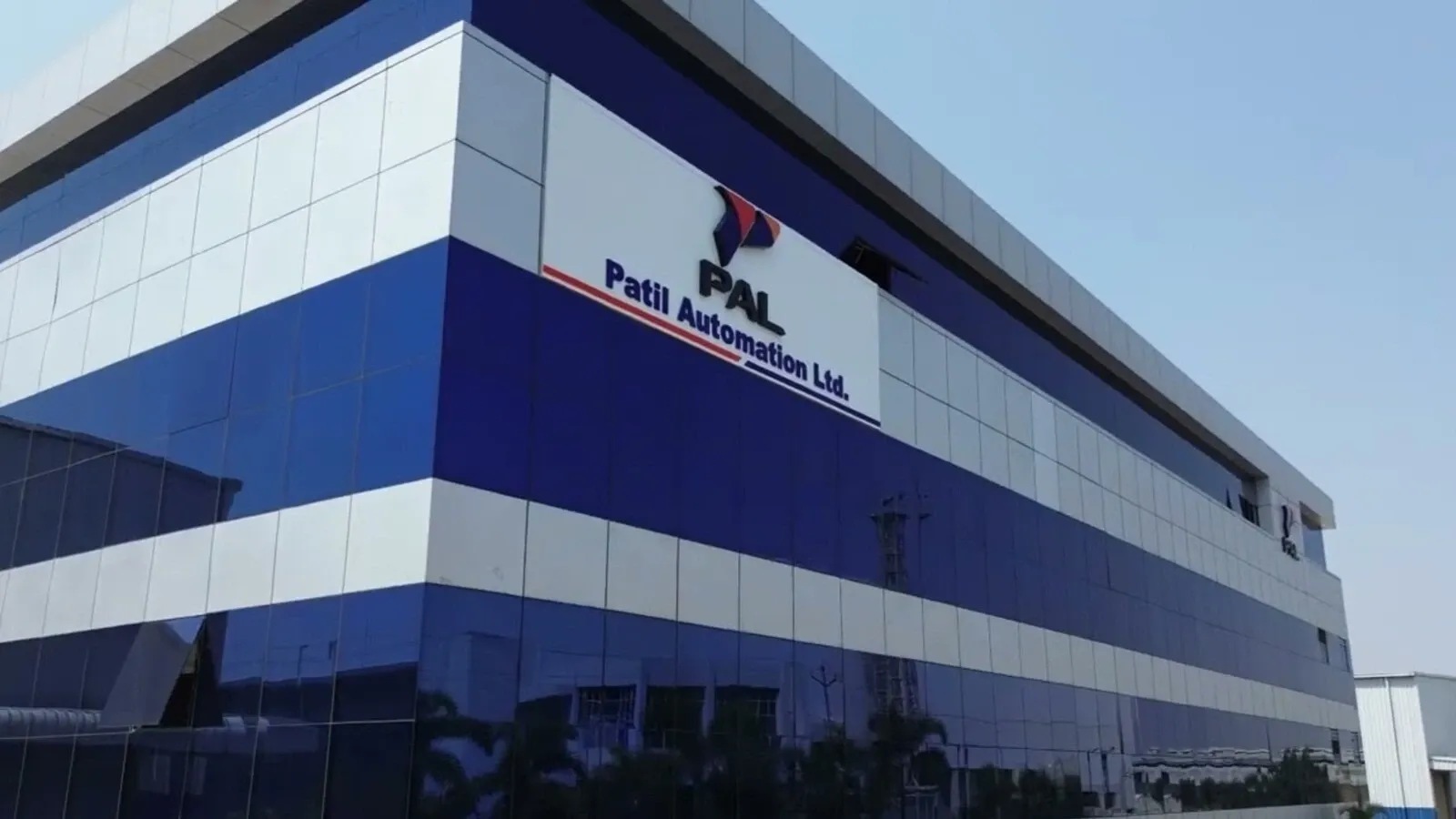
1. At a Glance
The industrial shop floors of India are undergoing a silent, robotic transformation, and Patil Automation Limited (PAL) is currently riding the lightning. If you thought automation was just about a few robotic arms moving in sync, the FY26 numbers will force a rethink. We are looking at a company that has managed to scale its Total Income to ₹172.79 crore, marking a significant leap in a sector known for high entry barriers and grueling execution cycles.
But let’s talk about the real meat: Net Profit jumped by 35% YoY on a standalone basis, reaching ₹15.85 crore. When you look at the consolidated picture—which includes their strategic move into robotics and servo press tech—the PAT climbs even higher to ₹17.78 crore. This isn’t just organic growth; it’s a calculated land grab in the EV, defense, and data center automation space.
Investors are swarming because the company isn’t just selling “machines”; they are selling “time” and “efficiency” to OEMs who are desperate to remove human error. However, before you get blinded by the chrome finish of their robotic cells, look at the Receivables. In the past, they’ve had a habit of keeping cash locked up in “dispatch timing” issues. With a massive ₹140 crore+ order book and a newly commissioned facility in Faridabad, the pressure is on. Can they execute without tripping over their own working capital?
The shift in revenue mix is the real shocker. They moved from being 99% dependent on the automotive sector to a massive 51.43% contribution from non-auto segments in H1 FY26. They are now building “mobile data centers” and defense robotics. This diversification is a double-edged sword: it kills the cyclicality of the auto industry but introduces the complexity of handling diverse engineering standards.
The teaser? Management is guiding for ₹250–300 crore in revenue for FY27. They just inaugurated a massive 1.09 lakh sq. ft. facility and a design hub. They have the toys, they have the orders, and they have the “badass” attitude of a Pune-based integrator taking on global giants.
2. Introduction
Patil Automation Limited is not your grandfather’s machine shop. Founded in 2015 and headquartered in the industrial heartland of Chakan, Pune, this company has rapidly evolved from a niche welding fixture maker into a comprehensive automation systems integrator.
In the world of high-stakes manufacturing, PAL is the entity that steps in when a company like a major EV manufacturer says, “We need a 3GWh battery pack assembly line, and we need it yesterday.” They don’t just supply the robot; they design the logic, build the fixtures, integrate the sensors, and ensure the whole thing talks to the cloud via Industry 4.0 protocols.
The company’s recent listing on the NSE SME platform in June 2025 was a pivotal moment, providing the war chest needed to fuel their aggressive expansion. They didn’t just sit on the cash. Within months, they acquired 60% stakes in Pentaco Automation and MII Robotics, effectively buying their way into high-precision servo presses and advanced robotic capabilities.
What makes PAL interesting is their geographic and sectoral pivot. While Maharashtra remains their fortress, their new Faridabad facility signals a serious intent to dominate the North Indian manufacturing belt. They are no longer just “the welding guys.” They are now the “automation-for-everything” guys, covering railways, renewables, and even data center infrastructure.
However, the rapid scaling brings a “detective” lens to the financials. When a company grows this fast, the cracks usually show up in the Balance Sheet—specifically in how much money is stuck with customers and how much is sitting as unsold inventory on the shop floor.
3. Business Model – WTF Do They Even Do?
If you’ve ever seen a YouTube video of a car chassis being welded by a dozen robotic arms in a shower of sparks, you’ve seen what PAL builds. They are the architects of the Production Line.
The Core Revenue Drivers:
- Welding Lines (70%+): This is their bread and butter. Spot, MIG, and TIG welding robotic cells. If it’s metal and it needs to stay together, they build the line for it.
- Assembly Lines: They create the nervous system of a factory. Think conveyor systems, programmable workstations, and “Pick and Place” robots.