Bajaj Auto just dropped its FY26 scorecard, and it is a loud, high-decibel performance that demands attention. We are looking at a company that is no longer just a “scooter maker” from Pune; it is a global predator moving into its most aggressive phase of expansion, consolidation, and capital return.
With Revenue crossing ₹17,800 crore in the final quarter and a Net Profit of ₹3,492 crore, the numbers are screaming. But the real story is hidden in the board’s decision to approve a mammoth ₹5,633 crore buyback at a premium price of ₹12,000 per share. While the market was busy tracking the Pulsar refreshes, management was quietly preparing to swallow its Austrian partner, KTM, whole.
1. At a Glance – The Roar of a Cash Machine
Let’s be blunt: Bajaj Auto is currently a cash-generating monster. The company has maintained a net cash position for over a decade, and that mountain of money is finally being put to work. In the latest quarter, Sales spiked to ₹17,832 crore, a massive 41% jump compared to the same period last year. This isn’t just organic growth; it’s the result of a multi-pronged attack on the domestic premium segment, a resurgence in exports, and a surprisingly fast ramp-up in Electric Vehicles (EVs).
However, investors should be looking at the Borrowings. The debt on the balance sheet has ballooned from a negligible ₹124 crore in FY23 to a staggering ₹22,713 crore in FY26. Why? Because Bajaj is pivoting. It is no longer just a manufacturer; it is becoming a massive financial services player through Bajaj Auto Credit Ltd (BACL) and a global consolidator. This shift from a “Zero Debt” halo to a “Strategic Leverage” model is the single biggest red flag for those who haven’t updated their thesis.
The company’s Operating Profit Margin (OPM) remains healthy at 17-21%, but the underlying costs are shifting. Management has been absorbing GST hikes and subsidy withdrawals to protect market share—a “badass” move to bleed out smaller competitors, but one that puts short-term pressure on the bottom line. With the KTM acquisition (now 75% owned) entering a court-supervised restructuring in Austria, Bajaj is essentially performing open-heart surgery on a global brand while driving at 100 km/h.
Is the world’s largest three-wheeler maker spreading itself too thin? Or is this the most calculated global takeover in Indian corporate history? The sheer scale of the ₹5,633 crore buyback suggests management believes their stock is still “cheap” even at these levels.
2. Introduction – The Pulsar of the Indian Economy
Bajaj Auto is the ultimate proxy for the Indian middle class’s aspirations and the emerging markets’ mobility needs. It doesn’t just sell bikes; it sells “The World’s Favorite Indian” brand. From the rugged streets of Nigeria to the high-speed autobahns of Europe (via KTM), Bajaj’s footprint is massive.
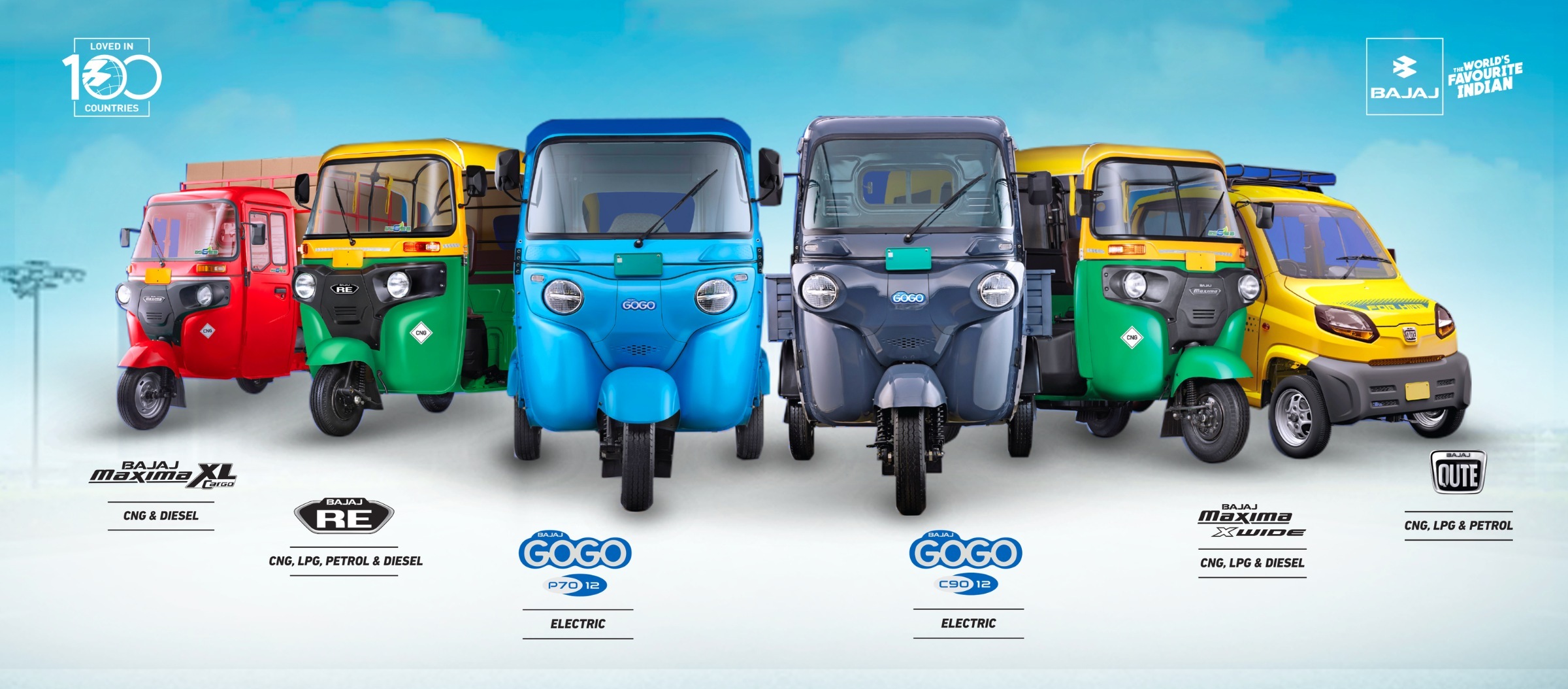
The company operates through a complex web of domestic dominance and international strategic stakes. It holds a 16.6% share in the domestic motorcycle market and a near-monopolistic 75% share in the three-wheeler (3W) segment. In the last year, it has transitioned from a defensive posture to an all-out offensive, launching a “barrage” of new Pulsar models to reclaim lost ground in the 150cc+ segment.
But the real “plot twist” is the EV business. The Chetak brand, which was once a nostalgic nameplate, has been resurrected into a top-3 EV player. Combine this with the Triumph partnership and the complete takeover of KTM’s parent entity, and you have a company that is simultaneously fighting a price war in India and a luxury war globally.
3. Business Model – WTF Do They Even Do?
If you think they just make “Hamara Bajaj” scooters, wake up. Bajaj Auto is a Global Engineering