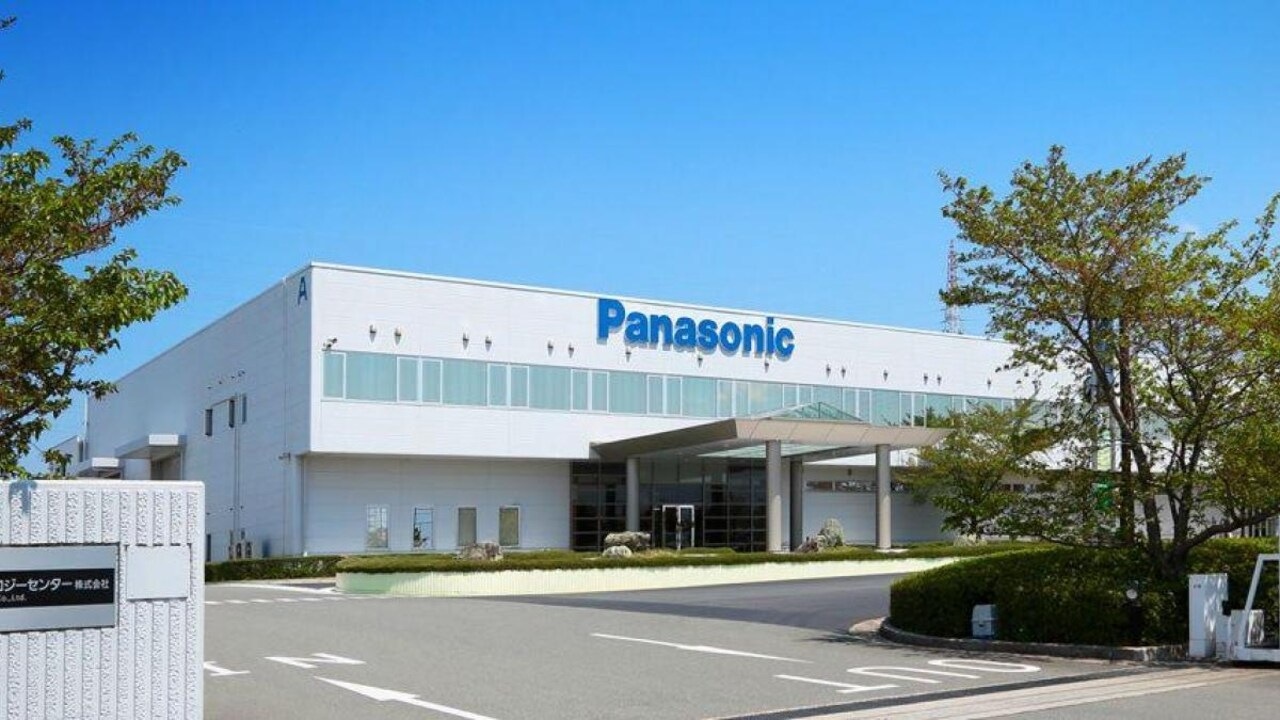
1. At a Glance
Panasonic Carbon India Company Ltd (PCICL) presents a fascinating paradox that should make any serious analyst squint. We are looking at a debt-free monopoly that is the sole manufacturer of high-standard carbon rods in India. It operates with a massive cash cushion, yet it seems to be running on a treadmill—moving fast but staying in the same place.
The numbers tell a story of extreme efficiency meeting a stagnant market. With a Market Cap of ₹234 Cr and an Other Income of ₹12.8 Cr (mostly interest from its massive reserves), the company often earns more from its bank balance than from its manufacturing prowess. In FY26, the company reported a Net Profit of ₹21 Cr, but here is the kicker: a significant chunk of the pre-tax profit comes from “Other Income.”
While the Operating Profit Margin (OPM) stands at a healthy 33%, the revenue growth is practically invisible. We are talking about a 5-year sales growth of a measly 2.28%. It is a business that generates cash like a utility but grows like a glacier. Investors are currently paying 11 times earnings for a company that has essentially become a high-yield savings account with a factory attached to it.
The red flags aren’t about bankruptcy—they are about irrelevance. With a heavy customer concentration where four customers bring in 67% of revenue, any shift in the dry-cell battery market (like the transition to lithium or rechargeable tech) could leave this monopoly ruling over an empty kingdom. The inventory days have ballooned to 98 days, and sales volumes are actually lower than they were five years ago. Is this a hidden gem or a value trap?
2. Introduction
Panasonic Carbon India is a specialized player in the industrial products space, specifically focused on Midget Electrodes, commonly known as Carbon Rods. These are the black rods you find inside zinc-carbon dry cell batteries. If you’ve ever opened a standard AA battery, you’ve seen their product.
The company operates under a technical collaboration with Panasonic Corporation, which also happens to be its majority promoter. This gives them an edge in technology that no other domestic player has been able to replicate. They produce 40 sizes and 6 grades of rods, catering to major battery manufacturers globally.
Despite the “Panasonic” brand name, the scale is surprisingly small. For a company that has been around since 1982, a turnover of ₹55 Cr in FY26 feels underwhelming. However, what they lack in scale, they make up for in financial hygiene. The balance sheet is cleaner than a surgical suite—zero debt, high liquidity, and a consistent dividend payout.
The company recently moved its registered office and saw a change in its directorate, indicating some administrative shuffling. But the core story remains the same: it is a high-margin, low-growth business that dominates a niche that the world might be slowly outgrowing.
3. Business Model – WTF Do They Even Do?
Think of Panasonic Carbon as the “ink” provider for a specific type of “pen.” The pens are dry-cell batteries (think remote controls, wall clocks, and flashlights). Without the carbon rod, the battery doesn’t work. Since they are the only ones in India making these to a high standard, battery giants have no choice but to knock on their door.
They have a dual-engine sales strategy:
- Domestic: They serve the local battery market, accounting for roughly 53% of revenue.
- Exports: They are a One Star Export House, shipping to global markets, which makes up the remaining 47%.
The business is incredibly lean. They sold 2,548 million pieces in FY25 with just 140 permanent employees. That is a massive output per head. They don’t have to worry about marketing or brand building because their customers are other factories (B2B).
However, there is a catch. The “dry cell” battery market is under siege from alkaline and lithium-ion batteries. While zinc-carbon batteries are cheap and great for low-drain devices, they aren’t exactly the future of energy. Panasonic Carbon is essentially