The chemical industry isn’t for the faint of heart, and the latest numbers from the house of Tata prove that even giants can get bruised when the global cycle turns into a downward spiral. We are looking at a classic case of “Global Trough vs. Domestic Resilience.” While the Indian market remains a fortress for the brand, the international soda ash market is currently behaving like a volatile teenager—unpredictable and expensive to maintain.
At a Glance – The Salt of the Earth Meets Global Turbulence
Imagine a company that touches your breakfast table every morning with its salt, powers the glass in your smartphone, and provides the chemicals for the detergent cleaning your clothes. Now, imagine that same company navigating a world where Chinese supply is flooding the market and export prices are crashing faster than a lead balloon. This is the current reality for one of the world’s largest soda ash producers.
The headline numbers for FY26 are a stark reminder of the “cyclicality” of the basic chemistry business. We are looking at a consolidated net loss of ₹ 1,715 crore for the full year, but before you panic, look under the hood. A massive ₹ 1,837 crore impairment charge on U.S. goodwill and deferred tax asset write-offs have skewed the bottom line. This isn’t a “cash-burning” loss in the traditional sense; it’s an accounting acknowledgment that the U.S. assets aren’t as valuable as they were during the peak.
The investor attention is currently laser-focused on three things:
- The India Moat: Standalone revenue grew despite the global chaos, proving that the domestic “Tata Salt” and industrial soda ash demand is the rock this company sits on.
- The U.S. Pivot: Management is literally walking away from loss-making export orders in Southeast Asia. It takes a certain level of badassery to say “No” to revenue to protect the margin.
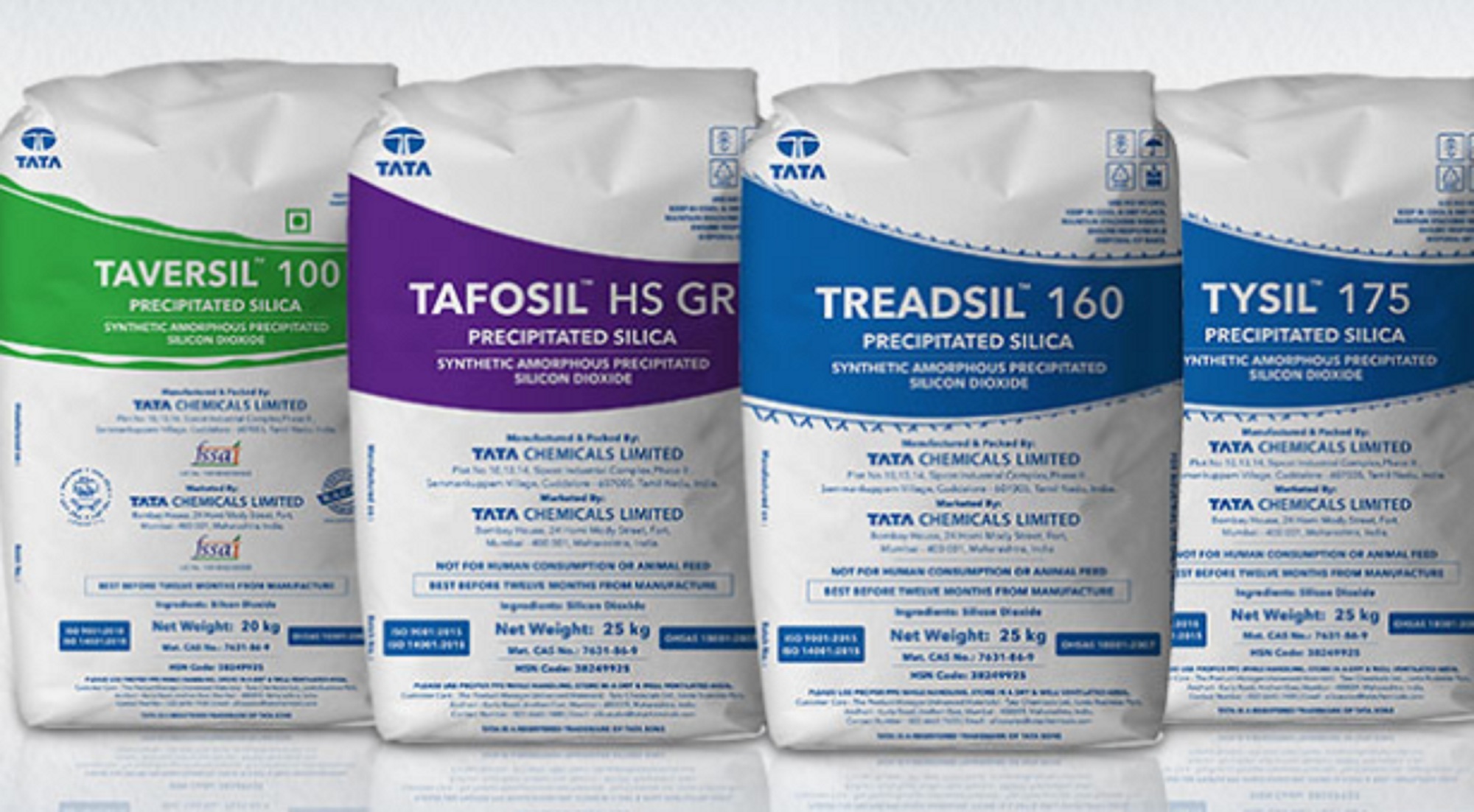
- The Specialty Shift: While soda ash is the noisy child, the specialty products—Silica, Prebiotics (FOS), and Crop Protection—are growing at 14% YoY.
Can the “Salt of the Nation” withstand the “Acid of Global Supply Overhang”? The balance sheet says yes, but the P&L is currently in the ER.
Introduction
Tata Chemicals (TCL) is a global chemistry powerhouse that has spent the last decade trying to balance its “Commodity” DNA with a “Specialty” future. Incorporated in 1939, it has grown from a single plant in Mithapur, Gujarat, to a multi-continental operation spanning the US, UK, Kenya, and Singapore.
The company is currently the 3rd largest soda ash producer and the 6th largest sodium bicarbonate producer in the world. However, being a global leader means you are the first to feel the heat when China decides to ramp up its natural soda ash capacity in Inner Mongolia.
The story of FY26 is about “Cleaning the Slate.” By taking a massive impairment on its U.S. operations and shutting down loss-making units in the UK, management is trying to reset the cost base. They are preparing for a “New Normal” where soda ash prices stay lower for longer, but where operational efficiency and specialty chemicals drive the next leg of growth.
Business Model – WTF Do They Even Do?
If you think they just sell salt, you’re missing 88% of the picture. Tata Chemicals is essentially a Chemistry-as-a-Service provider. They break their business into two main buckets:
1. Basic Chemistry (The “Old School” Cash Cow)
This is the heavy lifting. They make Soda Ash (used in glass and detergents), Sodium Bicarbonate (baking soda, but also used in pharma and animal feed), and Salt. They are “Vertical Integration” kings—they use their own salt to make soda