At a Glance – The Strategic Pivot is Printing Money
If you ever wanted to see what a “boring” industrial company looks like when it finds its groove, look no further than Kanpur Plastipack Ltd (KPL). This isn’t just about jumbo bags anymore; it’s about a 50-year-old veteran pulling off a high-stakes transition from commodity packaging to high-margin technical textiles. The FY26 results are out, and the numbers are screaming. Standalone net profit has surged by a massive 68% YoY to ₹38.19 crore, while income climbed 26% to ₹726.67 crore.
The most intriguing part? They are dumping their low-margin baggage—literally. The board has approved the sale of the CPP (Cast Polypropylene) division to SRF Limited for ₹49.25 crore. Why? Because it was a drag on the bottom line. Management is now laser-focused on the Raffia business (FIBCs and PP fabrics) and a massive foray into Technical Textiles.
They aren’t just selling bags to farmers; they are moving into automotive interiors, luxury outdoor furniture, and geotextiles. With nearly 50% of their energy coming from solar power and an export engine that touches 60+ countries, KPL is positioned as a high-credibility player in a world obsessed with ESG and supply chain diversification.
The company has also rewarded shareholders with a 12% final dividend. With the stock trading at a P/E of 13.2 despite an 85% profit growth TTM, the market seems to be slowly waking up to this Kanpur-based powerhouse. Is this a value trap or a hidden gem in the industrial packaging space? Let’s peel back the layers of this 50-year-old export house that is suddenly acting like a hungry startup.
Introduction – From Panki to the World
Kanpur Plastipack is an integrated industrial packaging and technical textile company. Founded in 1971 and headquartered in the Panki Industrial Area, Kanpur, it has evolved into a 2-star export house. For the uninitiated, that means they are a big deal in international trade, with ~70% of their revenue coming from outside India.
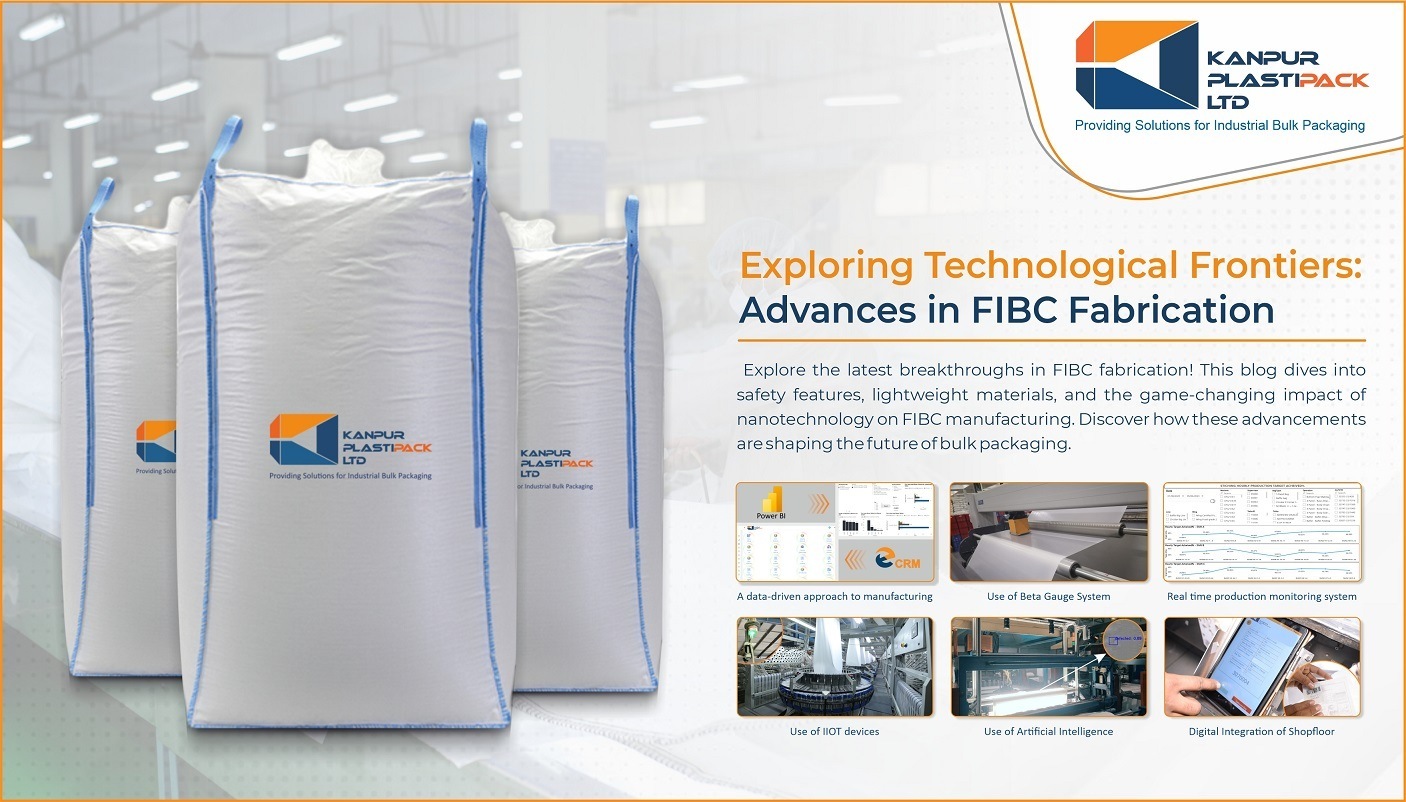
They specialize in FIBCs (Flexible Intermediate Bulk Containers), commonly known as Jumbo Bags. If you’ve seen a massive white bag lifting a ton of chemicals or minerals at a construction site or a port, there’s a good chance KPL made it. But they aren’t just bag makers; they are backward integrated. They make their own PP Multifilament Yarn, UV Masterbatches, and specialized fabrics.
The company operates four manufacturing units with an installed capacity of approximately 30,300 MT. Their strategy is simple: dominate the high-compliance, regulated markets like Europe and North America where quality and certifications (like BRCGS A+ for food grade) act as a barrier to entry.
In a world where “China Plus One” is a tired trope, KPL is actually living it. They are forming JVs with Italians (Essegomma S.p.A.) and acquiring UK-based firms (Valex Ventures) to get closer to their customers. This is a story of a domestic manufacturer transforming into a global solution provider.
Business Model – WTF Do They Even Do?
Think of KPL as the high-end tailor of the industrial world. They don’t just sell “sacks.” They sell custom-engineered containers that hold everything from milk powder (Food Grade) to hazardous chemicals (UN-certified).
The Core: FIBC (Jumbo Bags)
This is their bread and butter, accounting for the lion’s share of profits. These aren’t your grocery store plastic bags. These are massive, load-bearing structures that require precision engineering. KPL focuses on the Value-Added segment—food-grade and pharma-grade bags made in cleanrooms.
The Engine: Backward Integration
They don’t buy yarn; they make it. By producing their own PP Multifilament Yarn and UV Masterbatches (which