Servotech Renewable Q4 FY26: Solar Saves the Day as EV Charging Hits a Policy Pothole; Revenue Jumps 66%
Date of Publishing -
Spotted a factual error — a wrong number, date, or fact? Tell us and we will check the source.
1. At a Glance
If you thought the transition to Green Energy was going to be a smooth, silent ride in a Tesla, Servotech Renewable Power System Ltd (SRPSL) is here to give you a reality check. The company just dropped its audited Q4 FY26 results, and it is a classic tale of two halves. While the top line is screaming growth—Revenue is up 66% YoY—the underlying engine has undergone a massive swap.
In FY24, EV chargers were the undisputed champions of the portfolio. Fast forward to the latest data, and the management has effectively pivoted back to its roots: Solar. With the government’s “PM E-Drive” scheme shifting subsidies away from chargers and toward infrastructure, the EV charging segment saw a policy-induced slowdown. But instead of crying over spilled lithium, Servotech ramped up its solar game, capturing massive rooftop and grid-tied projects.
Financially, the company is looking “buff.” We are seeing a significant improvement in the scale of operations, with the Total Operating Income growing at a CAGR of 63.77% over the last three years. EBITDA margins have climbed to a healthy 10.9%, and Net Profit for the quarter stands at ₹12 crore.
But don’t get too comfortable. This is a working-capital-heavy business. Management was brutally honest in the latest concall: in the world of government contracts, anyone who says working capital isn’t an issue is lying. With Borrowings sitting at ₹198 crore and an operating cycle that demands constant feeding, Servotech is a high-octane bet on India’s renewable infrastructure. They’ve even brought in Errol Musk (yes, Elon’s dad) to the “Global Advisory Board”—which, in a classic corporate twist, isn’t actually a formal board yet. It’s bold, it’s spicy, and it’s quintessentially Servotech.
2. Introduction
Servotech Renewable Power System Ltd is the quintessential “pivot king” of the Indian small-cap space. Founded in 2004, they started with humble sine-wave inverters and stabilizers. Today, they are a multi-legged beast operating in EV Charging, Solar EPC, and Lithium-ion battery packs.
The company has successfully positioned itself as an end-to-end clean energy player. They don’t just sell you a charger; they sell you the solar panels to power it and the battery to store that power. Their client list reads like a “Who’s Who” of Indian industry: BPCL, HPCL, IOCL, Tata Motors, and Adani Gas. When the big boys want to go green, they call Servotech.
However, the recent shift in the revenue mix is the real story. EV chargers, which once dominated, now take a backseat to a resurgent solar business. The management is playing a tactical game—allocating resources to where the subsidies (and the cash) are flowing today, while keeping the EV manufacturing capacity on “standby” for when the infrastructure catch-up happens. It’s a high-stakes game of musical chairs with government policies, and currently, Servotech has found a very comfortable seat in the solar segment.
3. Business Model – WTF Do They Even Do?
Imagine a company that wants to be the “Swiss Army Knife” of the energy transition. That’s Servotech. They operate in three main buckets:
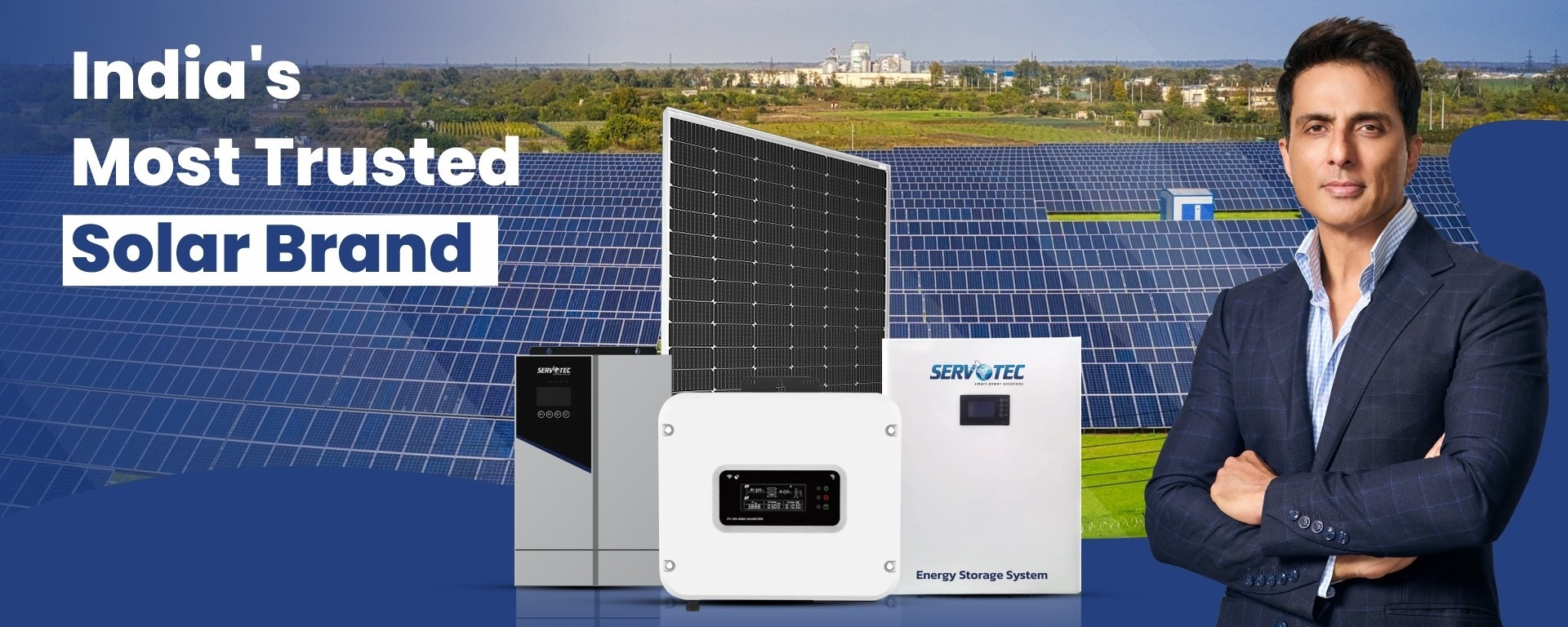
Solar Products: This is currently their bread and butter. They manufacture solar panels, inverters, and batteries. They’ve even acquired a 27% stake in Rhine Solar for backward integration. They aren’t just installers; they are makers.
EV Chargers: They produce everything from home AC chargers to massive DC fast chargers. Despite a recent industry-wide slowdown, they still hold a dominant position, recently bagging 67% of a major DC fast charger tender.
Power & Backup: The “Old Guard” of the business. Servo stabilizers and UPS systems. It’s boring, but it’s the foundation they were built on.
They follow a B2B and B2G (Government) model. They chase massive tenders from PSUs and nodal agencies like UP NEDA and BREDA. The catch? You have to play by the government’s rules, which means long payment cycles and intense competition. To counter this, they are aggressively expanding their retail footprint, aiming for 10,000 retailers to create a more predictable, cash-and-carry revenue stream.
Do you think a company can truly master both the “Retail” and “Government Tender” worlds simultaneously, or is one bound to cannibalize the other?
4. Financials Overview
We’ve crunched the numbers for the latest Quarterly Results (Mar 2026). The growth is undeniable, but the “Annualised EPS” gives us a glimpse into what a full year of this momentum looks like.