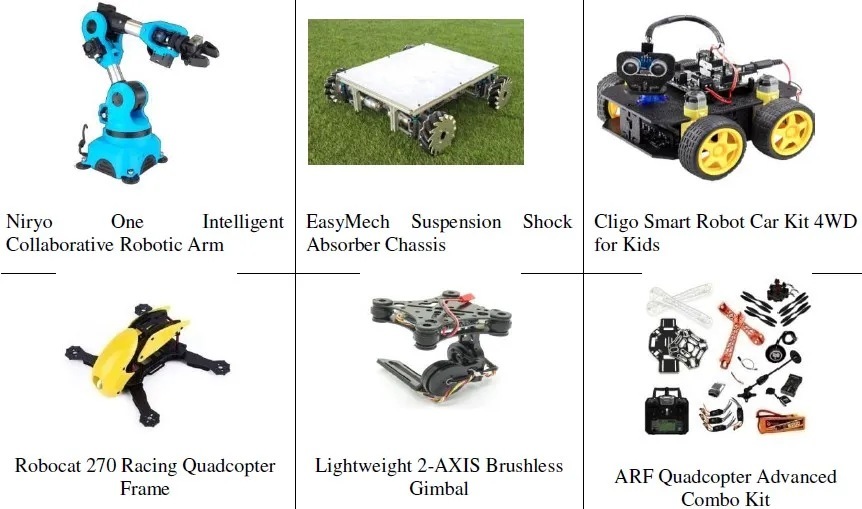
1. At a Glance
There are companies that sell stories, and there are companies quietly shipping boxes while the market sleeps.
Macfos looks suspiciously like the second type.
At first glance, it appears to be a small e-commerce distributor of electronic components. The kind of business many investors may dismiss as “just another reseller.” But pause.
Revenue has climbed from ₹16 crore in FY20 to ₹312 crore in FY26. That is not growth. That is escalation.
PAT has gone from negligible to ₹25.6 crore.
ROE stands at 30.8%.
ROCE sits near 34%.
Annual EPS is ₹24.76, while quarterly Q4 EPS of ₹9.51 (Q4 lock rule: use full-year EPS, not annualized) means valuation sits near 41x trailing earnings.
Now ask yourself something.
How often does an SME-listed company show:
- 63% five-year sales CAGR
- 75% profit CAGR
- 100,000+ SKUs
- 210+ vendor tie-ups
- debt/equity still only 0.37
- promoter ownership 69%
- and a business trying to evolve from distributor into product creator?
That usually gets marketed as a startup and valued at absurdity.
Here it sits looking like a warehouse business.
That mismatch is where things get interesting.
And then there is the strange twist.
Management keeps saying they are not just building “Robu 1.0” distribution.
They keep talking about “Robu 2.0”.
Drone products.
Own IP.
Defense pilots.
Higher-margin proprietary products.
Whenever Indian management starts speaking about “platform + own products + defense optionality,” seasoned investors either get excited… or reach for forensic gloves.
Which one is this?
That is the puzzle.
Even the recent 1:10 bonus issue almost feels theatrical.
Good businesses compound.
Indian markets often prefer companies that also perform.
Macfos seems willing to do both.
But before romance enters, there are questions.
Can margins survive increasing B2B mix?
Can working capital stop swelling?
Can a component marketplace defend against bigger sharks?
Can Robu 2.0 become real, or is it PowerPoint perfume?
These questions matter.
Because beneath the excitement sits a business with inventory days of 122.
Negative free cash flow.
Rising borrowings.
And a model where execution discipline matters every quarter.
This is where detective work begins.
Because sometimes a company is just a distributor.
Sometimes a distributor quietly becomes infrastructure.
Which one is Macfos?
Read on.
2. Introduction
Macfos operates through Robu.in, which in simple language is a giant digital electronics bazaar.
Need drone parts?
Sensors?
Raspberry Pi modules?
Motor drivers?
Battery packs?
Mechanical couplings?
They probably have it.
And that is the point.
The moat is not one product.
The moat may be assortment.
Amazon taught markets one uncomfortable lesson:
Sometimes logistics is the product.
Macfos may be trying a miniature industrial version of that.
Its customers are not casual impulse shoppers.
They include:
- engineers
- R&D labs
- students
- manufacturers
- defense-linked buyers
- corporate procurement teams
This matters.
Because repeat procurement customers behave very differently from retail consumers.
They can be sticky.
Very sticky.
Concall commentary suggests management is leaning deeper into BOM fulfillment and contract manufacturing ecosystems. That is not accidental. That looks strategic.
Interesting part?
Management in old calls emphasized margins around 8% PAT.
FY26 PAT margin came around 8.2%.
Walked the talk.
Rare species sighted.
Question for readers:
How often do smallcaps actually do what they say?
Exactly.
Another layer.
Credit rating reaffirmed BBB/Stable while facilities enhanced to ₹40 crore. Not spectacular, but signals institutional lenders are not panicking.
That matters more than glossy investor presentations.
Banks tend to be less romantic.
And still, this is not a no-risk story.
Inventory-heavy models can punish complacency.
Competition can squeeze margins.
Working capital can become silent poison.
This is not software.
Boxes still need moving.
But there may be something bigger brewing.
Because when a