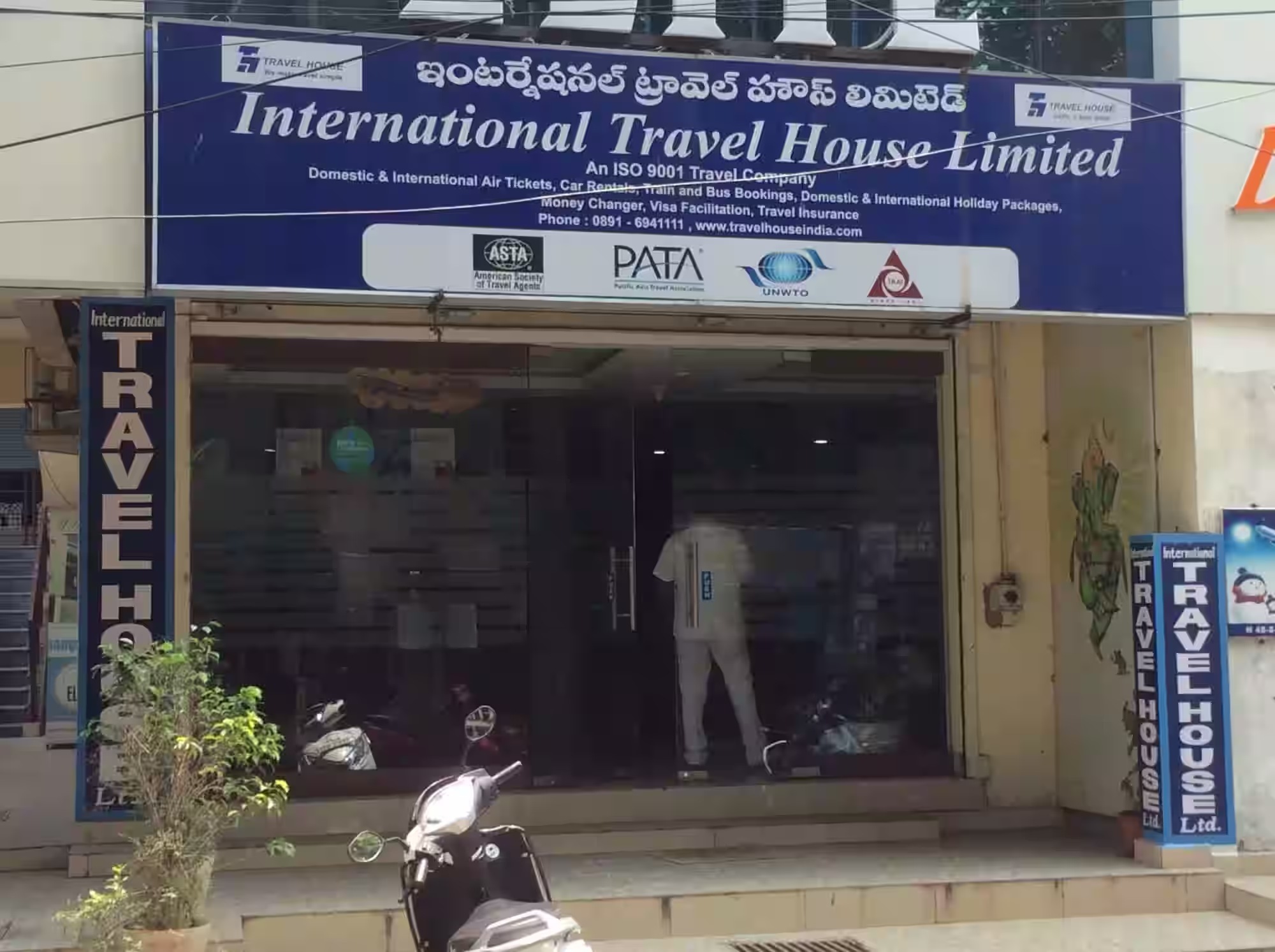
Travel businesses usually sell dreams. This one, oddly, sells cash flow.
International Travel House (ITHL) sits in a strange corner of the market. It is a travel company trading at around 11.7 times earnings, carrying almost no debt, sitting on significant investments, paying dividends, backed by the ITC group, and yet the stock has been punished heavily over the last year. That contradiction is where things get interesting.
Most “cheap” stocks are cheap for a reason.
Some are cheap because they are broken.
Some are cheap because nobody is looking.
This one deserves inspection.
1. At a Glance — Why Is A Debt-Free Travel Business Trading Like A Distressed Company?
A ₹266 crore market cap company doing ₹232 crore sales, generating ₹22.8 crore PAT, earning ROCE of nearly 18%, and sitting with enterprise value below market cap because of cash — that already sounds unusual.
Even stranger:
- EV/EBITDA only ~6.2x
- P/B only 1.48x
- Dividend yield 1.65%
- Debt to equity almost zero
- Net investments and liquidity substantial
- Promoter group holding 61.69% led by the ITC ecosystem
Travel stocks are normally sold on growth dreams.
ITHL is being valued almost like a sleepy industrial.
That disconnect is the story.
But there is a catch.
Growth has cooled.
FY26 revenue slipped to ₹232 crore versus ₹236 crore in FY25. PAT fell to ₹18 crore from ₹27 crore, partly impacted by one-off labour code exceptional cost.
And markets hate slowing narratives.
Even if the slowdown is temporary.
Question for readers:
Is the market punishing a temporary earnings dip as if it were permanent damage?
That is often where opportunities hide.
This is not some flashy OTA promising AI-powered vacation booking to Mars.
This is boring corporate travel, mobility, MICE, rentals.
Sometimes boring pays.
Sometimes boring compounds quietly while the market chases noise.
There is dry humour in a travel stock being treated like nobody wants to go anywhere.
Meanwhile India’s corporate travel ecosystem keeps expanding.
Interesting contradiction.
2. Introduction — What Changed Here?
The business has already survived what should have killed it.
Pandemic.
Travel shutdown.
Corporate expense freezes.
Yet it came back.
Look at recovery:
- FY22 sales: ₹94 crore
- FY23 sales: ₹184 crore
- FY24 sales: ₹217 crore
- FY25 sales: ₹236 crore
- FY26 sales: ₹232 crore
That is not collapse.
That is recovery, plateau, digestion.
Very different things.
Even ICRA highlighted PBT CAGR of 44% between FY19-FY25 and reaffirmed AA/A1+ ratings.
Not many ₹266 crore companies get described that way.
And then there is ITC lineage.
This matters.
Promoter quality often matters more than valuation ratios.
Bad management can destroy cheap stocks.
Good management can rescue average businesses.
ITH has inherited a governance culture that the market may be underpricing.
Though CFO resignation in March 2026 raises eyebrows.
Nothing alarming yet.
But investors should watch management churn.
Because sometimes corporate travel companies are less about flights and more about execution discipline.
Another question:
Can a small, boring, well-run business be more valuable