AVI Polymers Q4 FY26: ₹312 Cr Revenue From Near-Zero, 8.39 P/E, 45.5% ROCE — Turnaround Miracle or Market Mirage?
Date of Publishing -
Spotted a factual error — a wrong number, date, or fact? Tell us and we will check the source.
1. At a Glance — A Microcap That Suddenly started bullshitting
Some companies compound quietly. Some implode loudly. And then there are companies like AVI Polymers Ltd, which spend years looking dormant and then suddenly report ₹312 crore revenue, ₹20.3 crore PAT, 33.4% ROE, 45.5% ROCE, and trade at 8.39 times earnings.
That combination usually does not sit in microcaps for long without attracting attention.
But this is where it gets interesting.
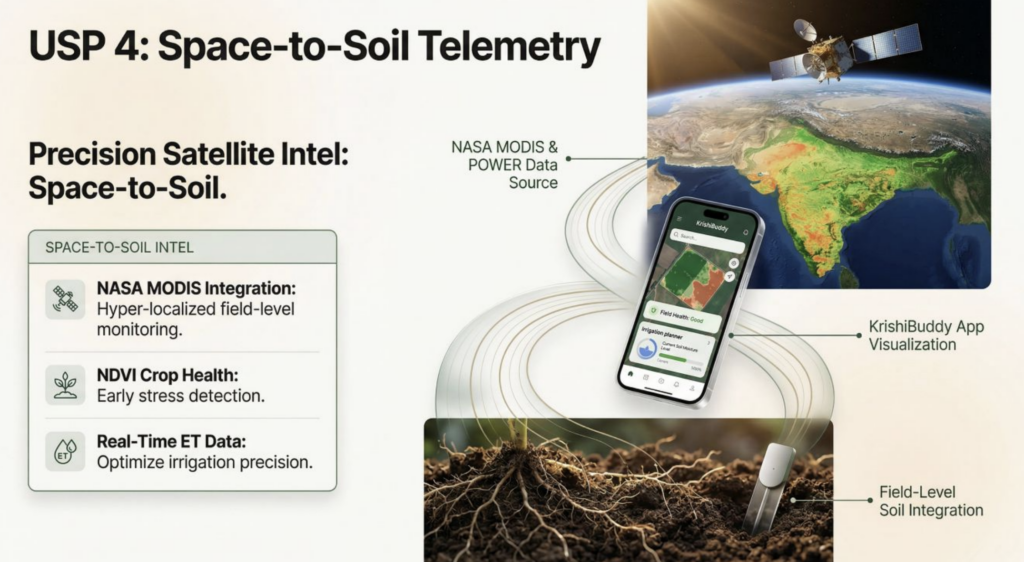
For nearly a decade, the business looked tiny, almost irrelevant from a scale perspective. Then FY26 lands and revenue explodes from effectively negligible levels to ₹312 crore. Profit jumps. Margins appear. Working capital improves sharply. Debt is nearly absent. Then management raises ₹89.99 crore in rights capital and simultaneously launches an AI agritech subsidiary, KrishiBuddy.
Now pause.
Chemical trading company.
Turns profitable.
Launches AI agritech platform.
Rights issue of almost half its market cap.
Promoter ownership collapses to 1.1%.
Auditor changed.
CMD changed.
CFO changed.
Open offer happened.
If this doesn’t make you lean forward, what will?
This is where detective work starts.
Is this:
A genuine re-rating candidate ignored by markets?
A low-float speculative frenzy wearing growth clothing?
Or one of those bizarre Indian microcap stories where everything looks impossible until suddenly it isn’t?
The valuation screams cheap.
Governance signals scream “look carefully.”
That tension is the entire story.
And that is what makes this fascinating.
Would you pay 8x earnings for a business growing this fast — if you trusted the earnings?
That “if” is doing heavy lifting.
2. Introduction — From Obscurity to Sudden Financial Shock
AVI Polymers did something markets rarely ignore.
It produced numbers too large relative to its size.