1. At a Glance – The Fashion Empire That Refuses to Slow Down
If Indian retail had a “main character,” Trent would be strutting down the runway in slow motion while everyone else struggles to find their size. ₹20,000 crore revenue. Over 1,250 stores. ROCE above 29%. And still opening stores like a startup on steroids. Sounds like a dream, right?
But here’s where things get interesting — same-store growth is barely in low single digits. Consumers are “spending cautiously.” Input costs are rising. Yet Trent is doubling down on expansion like there’s no tomorrow. And oh, they also want ₹2,500 crore more capital. Because apparently, 1,000+ stores aren’t enough.
So what exactly is happening here?
Is this the early innings of India’s Zara-style retail domination story…
Or are we witnessing peak optimism priced into perfection?
Because when a company grows this fast, the real question isn’t “how high can it go?”
It’s “what breaks first?”
2. Introduction – Growth Story or Growth Addiction?
Let’s set the stage.
Trent is not just another retail company. It’s a Tata-backed machine that has quietly built one of India’s most formidable fashion ecosystems. While others were debating online vs offline, Trent said — “Why not both?”
Westside handles premium fashion.
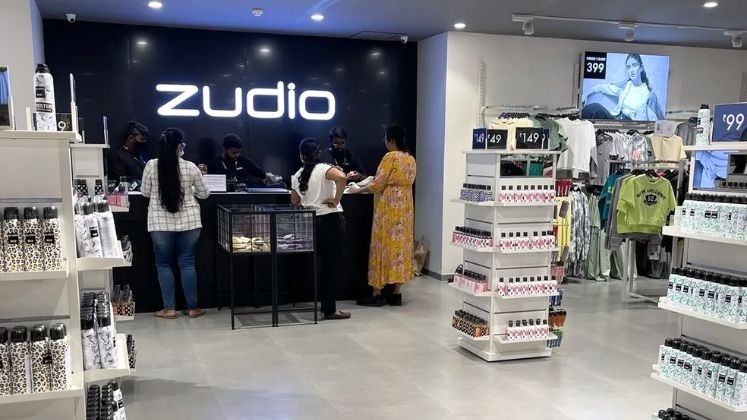
Zudio prints money at the value end.
Star plays the grocery game.
And Zara (via JV) gives them international swagger.
Now here’s the twist.
Despite all this scale, management is still behaving like it’s Day 1.
- Opening ~250 stores annually
- Expanding aggressively into Tier 2 & Tier 3 cities
- Investing in supply chain automation
- Doubling down on private labels
The narrative is clear: dominate now, optimize later.
But here’s where things get spicy.
Like-for-like growth is low single digit. That means existing stores are not growing much. The entire growth story is driven by new store additions.
So ask yourself:
Is this a sustainable flywheel…
Or a treadmill where you must keep running just to stay in place?
Because retail history is filled with companies that expanded too fast… and then learned the hard way.
3. Business Model – WTF Do They Even Do?
Trent’s business model is actually simple — but dangerously effective.
They sell fashion.
But not just any fashion — they sell their own brands.
This is the key.
Instead of acting like a mall that stocks third-party brands, Trent behaves like a vertically integrated fashion house:
- Design in-house
- Manufacture through partners
- Sell through owned stores
- Control pricing completely
This gives them insane control over margins.
Now break it down:
Westside – The Premium Player
Think Zara meets