GSM Foils Ltd Q4 FY26: Revenue Up 79%, Profit Up 84%, But Cash Flow Looks Like It Fell Off a Cliff
Date of Publishing -
Spotted a factual error — a wrong number, date, or fact? Tell us and we will check the source.
1. At a Glance
There are companies that grow slowly, carefully, and politely. Then there is GSM Foils Ltd, which seems to have pressed the accelerator with both feet.
In FY26, the company doubled revenue to ₹258 crore and doubled PAT to nearly ₹20 crore. Quarterly sales hit ₹81.7 crore in Q4 FY26 versus ₹45.6 crore a year ago. PAT came in at ₹6.28 crore versus ₹3.42 crore. Margins improved, ROE is above 37%, ROCE is above 35%, and the company is now talking like a business that wants to scale from a regional packaging player into a serious pharma foil operator.
But every beautiful growth story comes with one slightly uncomfortable detail.
Cash flow from operations for FY26 was negative ₹37 crore.
That is not a typo.
The company generated ₹20 crore of profit but burned cash because receivables and inventory exploded. Debtor days jumped from 92 to 133 days. Working capital days climbed to 83. Borrowings went from ₹18 crore to ₹44 crore in one year. So while the profit and loss statement is flexing in the gym mirror, the cash flow statement is quietly lying on the floor asking for oxygen.
Management is not exactly hiding from this. In the February 2026 concall, they openly admitted that they do not focus heavily on cash flow because they believe holding inventory and extending debtor credit is where the money is made. That is an aggressive philosophy. It can work brilliantly in a strong demand environment. It can also become painful if aluminium prices fall sharply or customers delay payments.
Then comes the Ahmedabad expansion story.
The new leased Ahmedabad facility has already started production, has capacity of 500 tons per month, and management believes it can reach 40–50% utilisation by March 2026 and eventually hit monthly sales of ₹25–27 crore at full utilisation. Meanwhile, the existing Vasai facility is already operating near 85–87% utilisation and management thinks it can reach full capacity this year after some minor debottlenecking capex.
So this is no longer a tiny SME trying to survive. This is now a rapidly scaling pharma-packaging company trying to prove that it can grow without blowing up its balance sheet.
And that is exactly where the next 12 months become interesting.
2. Introduction
The pharmaceutical packaging industry is not exactly glamorous.
Nobody wakes up and says, “I am very excited about aluminium blister foils today.”
But somewhere between medicine manufacturers, strip packaging, and pharma supply chains sits a small but profitable niche. Every capsule, tablet, or strip medicine needs packaging that protects it from moisture, light, germs, and damage. And if India keeps growing as a pharmaceutical manufacturing hub, then somebody has to make all that packaging.
That is where GSM Foils Ltd comes in.
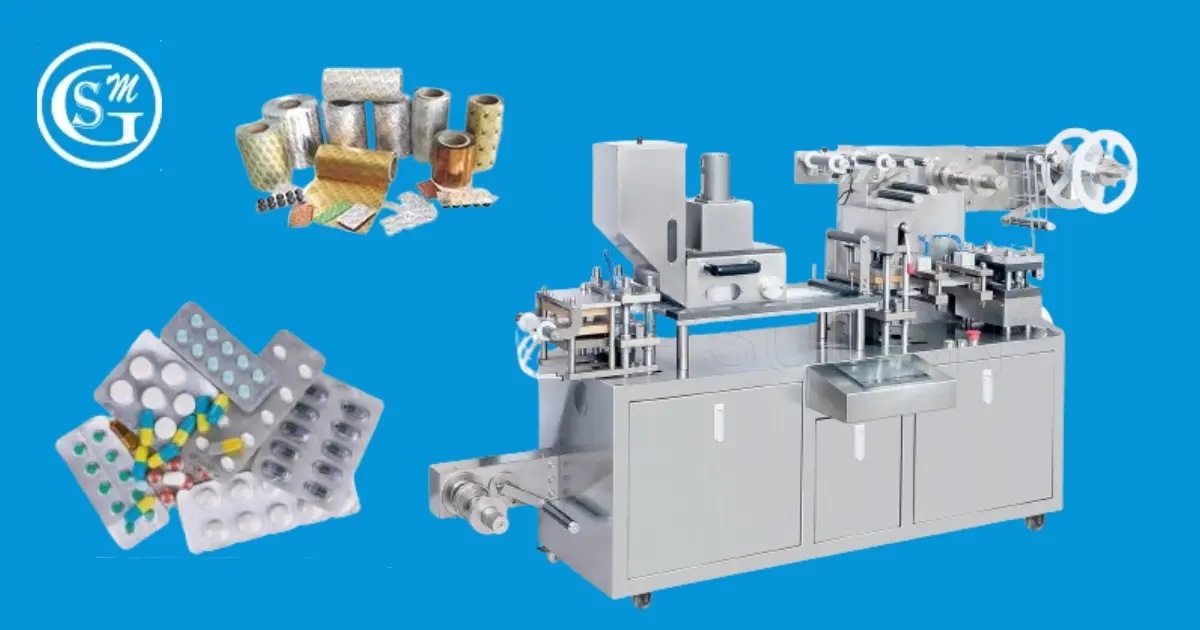
The company manufactures blister foils and aluminium strip foils. These are not commodity products where anyone with a machine can compete overnight. There are coating requirements, sealing requirements, printing standards, pharma compliance needs, and customer approval cycles.
Management claims it is among the top players in the Tier-2 coating and lamination segment of the foil industry. They buy aluminium foil from upstream players like Hindalco and convert it into higher-value pharma packaging products.
This model has one major advantage.
The company does not need gigantic steel-plant-level capex. It buys the raw foil, coats it, laminates it, prints it, and sells it. That means lower fixed assets and potentially better return ratios.
The downside is that working capital becomes the main battlefield.
Raw material prices move with aluminium. Customers want credit. Inventory needs to be stocked. So even though the business can generate strong accounting profits, the actual cash can remain trapped in debtors and stock.
That is exactly what happened in FY26.
So the question is not whether the company is growing. It clearly is.
The real question is whether it can keep scaling without turning into a working-capital monster.
3. Business Model – WTF Do They Even Do?
The company essentially buys aluminium foil from upstream manufacturers and converts it into specialised packaging material for pharmaceutical companies.
Its two major products are:
Blister Foils: Used for tablets and capsules packed in blister trays.