1. At a Glance
Lokesh Machines is one of those companies that sounds extremely impressive at a family wedding. CNC machines, special purpose machines, aerospace, defence, automation, IIT Madras MoU, indigenous metal additive manufacturing, customers like Tata Motors, Mahindra, Volvo, John Deere, and a shiny new defence angle. On paper, this is not a boring lathe shop. This is the sort of industrial company that can make retail investors whisper, “Bhai, this could be the next manufacturing theme multibagger.” Then you actually open the numbers, and the mood changes faster than IPL commentators after a middle-order collapse. The latest quarterly revenue is ₹50.73 crore and PAT is just ₹0.63 crore. TTM PAT is only ₹1.85 crore, return on equity is 0.26%, ROCE is 4.87%, debt is ₹161 crore, pledged promoter holding is 14.5%, and the company is trading around 237 times earnings on the screen. That is not “premium valuation.” That is the market charging Ferrari multiples for a business currently giving scooter mileage.
And just when you think the comedy ends there, another layer appears. The Acuité rating downgrade in November 2025 explicitly said operating performance deteriorated after the company landed on the OFAC sanctions list, disrupting supply of electronic components and pushing down revenue and margins. The same note says H1 FY26 revenue fell to ₹98.48 crore from ₹137.84 crore in H1 FY25, inventory days jumped, and working capital remained intense. In other words, this is not merely a slow quarter. This is a business that has strong manufacturing credentials, real customers, real product capability, and now a very real execution headache sitting in the middle of the story like an uninvited wedding band.
So what exactly are we looking at here? A machine-tool veteran trying to become a defence-capital-goods hybrid? A temporarily wounded industrial story that could recover if sanctions clear and defence orders scale up? Or a stock the market has already treated like a comeback hero before the interval scene is even complete? That is the real puzzle.
2. Introduction
Lokesh Machines was incorporated in 1983 and has been around long enough to know the difference between industrial cycles and investor fantasies. This is not a startup selling AI-infused coconut water to venture capital funds. It is a manufacturing business with six units, deep machine-tool experience, and a two-part structure: machine tools and components. It manufactures CNC turning centres, machining centres, drill-and-tap machines, boring and milling machines, transfer lines, and auto components like cylinder blocks, cylinder heads, and connecting rods. It also serves aerospace, railways, agriculture, gas turbine, and farm sectors. That breadth is useful because when auto slows down, a company like this desperately needs other doors to knock on.
The bullish case is easy to narrate. India wants more manufacturing. Import substitution is fashionable. Defence localisation is a national obsession. Precision engineering sounds sexy. The company has developed India’s first indigenous laser-based direct energy deposition hybrid additive manufacturing machine for metals with AIC IT-HUB and RRCAT University, and it also signed an MoU with the Advanced Manufacturing Technology Development Centre at IIT Madras to develop technologies and products that are currently imported. This is exactly the kind of sentence that gets capital markets excited, because “currently being imported” is basically investor catnip.
But then comes the less glamorous part: capital goods businesses do not run on PowerPoint adjectives. They run on order execution, component supply, working capital discipline, margins, and timely collections. Lokesh Machines has machine tools with long execution cycles of 8-10 months and component manufacturing cycles of around 2 months. That means inventory can sit like a wedding caterer waiting for the baraat, and working capital can swell even before the revenue appears. Acuité’s note was blunt that gross current assets remained high, inventory days increased, and scale of operations fell after OFAC-related disruption.
Now add the recent developments. The company received orders linked to small arms and defence supply, including an order of about ₹22.00 crore in January 2026, another of ₹6.30 crore in February 2026, and another of about ₹9.50 crore in March 2026. That is not trivial for a company with quarterly sales around ₹50-51 crore. At the same time, the board moved for a preferential issue, EGM approval came through in April 2026, and authorised capital was increased. The board had also noted exchange fines for Regulation 17(1) non-compliance. So the current story is a fascinating mix of industrial ambition, defence optionality, compliance embarrassment, working-capital stress, and an equity-raising plan. What could possibly go wrong? Also, what could go surprisingly right?
3. Business Model – WTF Do They Even Do?
Let us decode this without sounding like an engineering textbook written by someone who hates human happiness.
Lokesh Machines basically sells the tools that make other companies’ products possible. It builds machine tools, especially CNC and special purpose machines, used in manufacturing. Think of it as the company that sells the heavy-duty kitchen equipment rather than the biryani. If auto, engineering, aerospace, or defence customers want precision metal cutting, boring, milling, turning, or machining at scale, this is the sort of vendor they call.
The business has four visible buckets.
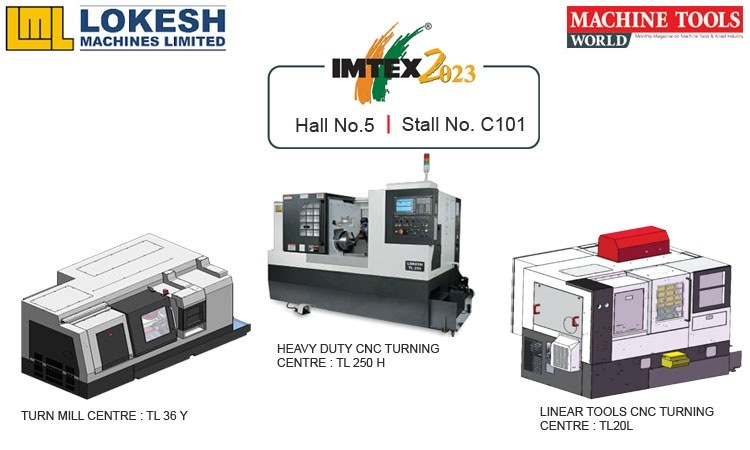
First, general purpose CNC machines. These are the more repeatable, standardised tools: CNC turning centres, vertical machining centres, horizontal machining centres, turn-mill centres, and vertical turning lathes. This is the category where scale helps, but competition can also be fierce.
Second, special purpose machines. These are the customised beasts. If a customer wants a specific manufacturing line or dedicated process setup, Lokesh designs around that requirement. This segment has higher technical flavour and better differentiation, but also longer execution cycles and lumpier revenue. One delayed customer acceptance and suddenly your quarter starts looking like a government office file movement.
Third, automation. Gantry systems, robotic automation, fourth-axis automation, and customised machine integration. This matters because customers no longer want just the machine; they increasingly want a workflow. The more Lokesh can move from “one machine vendor” to “manufacturing solution provider,” the better the stickiness.
Fourth, components and precision engineering. The company machines cylinder blocks, cylinder heads, connecting rods, and has also set up a defence and aerospace components division. This is strategically important because components can create recurring manufacturing revenue while machine tools tend to be more project-driven. FY23 revenue split was about 56% machine tools and 44% components, which shows the company is not a one-trick pony. More like a two-trick industrial horse with an expensive diet.
The customer list is credible: John Deere, Ashok Leyland, Volvo, Eicher, Suzuki, Tata Motors, Mahindra, Honda, Caterpillar, Mahindra CIE, Wipro and others. Export exposure exists, but domestic sales dominate at about 95% of FY23 revenue. So this is not an export-led glamour story. It is more of a domestic manufacturing ecosystem player with some overseas presence sprinkled on top for presentation value.
The issue is that industrial credibility and shareholder returns are cousins, not twins. You can have all the machines in the world and still deliver anaemic profit if execution, supply chains, finance costs, and working capital gang up against you. That seems to be exactly what happened over the last year. So the real question is not whether Lokesh Machines does something meaningful. It