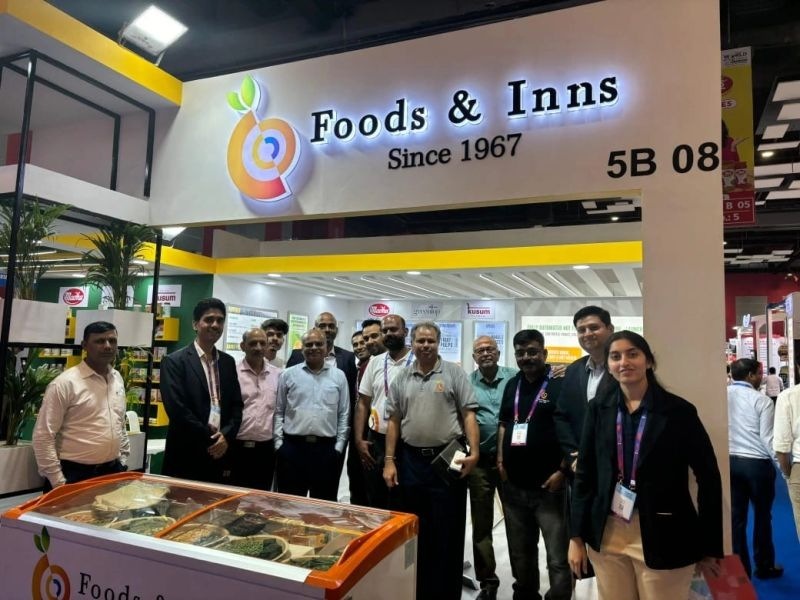
1. At a Glance — The Mango Mafia Story Nobody Asked For
Imagine a company that sells mango pulp to Coca-Cola, exports to 50+ countries, supplies airlines frozen samosas, and is building a “waste-to-wealth” pectin business… yet somehow manages to generate just ₹0.43 Cr profit in the latest quarter on ₹150 Cr revenue.
Welcome to Foods & Inns Ltd — where mangoes travel globally, but profits seem to take a connecting flight and never arrive.
This is not your usual FMCG darling. This is a working capital monster disguised as a fruit processor. Debt is sitting at ₹482 Cr, promoter holding has fallen like your confidence after seeing Q3 results, and rating agencies are literally saying: “Issuer Not Cooperating.”
And yet… there’s something strangely interesting here.
Exports contribute ~68% of revenue. Top clients include Coca-Cola, PepsiCo, Nestlé — basically the Avengers of FMCG. The company is doubling down on frozen foods, Tetra Recart packaging, and even pectin (yes, that jelly thing in jam).
But here’s the real question:
Is this a hidden agro-processing gem… or just another seasonal business with permanent cash flow problems?
Because when profits collapse 45% YoY and working capital balloons, you don’t just blame mangoes.
You investigate.
2. Introduction — A Company That Does Everything Except Stay Simple
Foods & Inns is that one overachiever in class who signs up for everything — sports, drama, debate — and then somehow messes up the final exam.
Founded in 1967, this company started with fruit pulp. Simple business. Mango in, pulp out, Coca-Cola happy.
But then someone in management clearly watched Shark Tank and said:
“Why not do EVERYTHING?”
So today, they operate across:
- Fruit pulps
- Spray drying (powders)
- Frozen foods
- Spices
- Packaging (Tetra Recart)
- Pectin (yes, again)
Basically, if it comes from a plant and can be processed, they want a piece of it.
Now on paper, this looks like diversification.
In reality?
It’s a working capital circus.
Because each of these businesses:
- Requires inventory
- Has seasonal cycles
- Needs upfront investment
- And depends heavily