1. At a Glance – The Rice Story That Smells Premium but Feels Like Working Capital Khichdi
Sarveshwar Foods looks like that overachieving student who scores decent marks but takes 3 hours to finish a 1-hour exam. Revenue is growing, profits are improving, export orders are flying in, organic brand is flexing like a startup founder on LinkedIn—but then you look at the working capital cycle, and suddenly you realize this business runs on patience, not speed. Imagine buying rice, storing it for months so it becomes “premium aged basmati,” and then waiting even longer to get paid. That’s literally the business model. Add to that promoter holding falling like your confidence after checking exam results, frequent fund raises, warrant drama, and CFO resignations—it starts to feel less like FMCG and more like a daily soap. The question is simple: Is this a hidden gem in the rice bowl or just another capital-intensive grind disguised as premium branding?
2. Introduction – From Jammu Fields to Global Shelves (With Some Drama in Between)
Sarveshwar Foods Ltd, incorporated in 2004, is basically a rice processor turned aspirational FMCG player trying to wear a premium kurta over a commodity dhoti.
The company operates out of Jammu & Kashmir, sourcing rice from farmers across North India and exporting to 25+ countries. Sounds impressive. And to be fair, it is. But here’s the twist—this is still fundamentally a commodity business trying very hard to look like a branded one.
They sell:
- Basmati rice (premium stuff)
- Non-basmati rice (daily ration stuff)
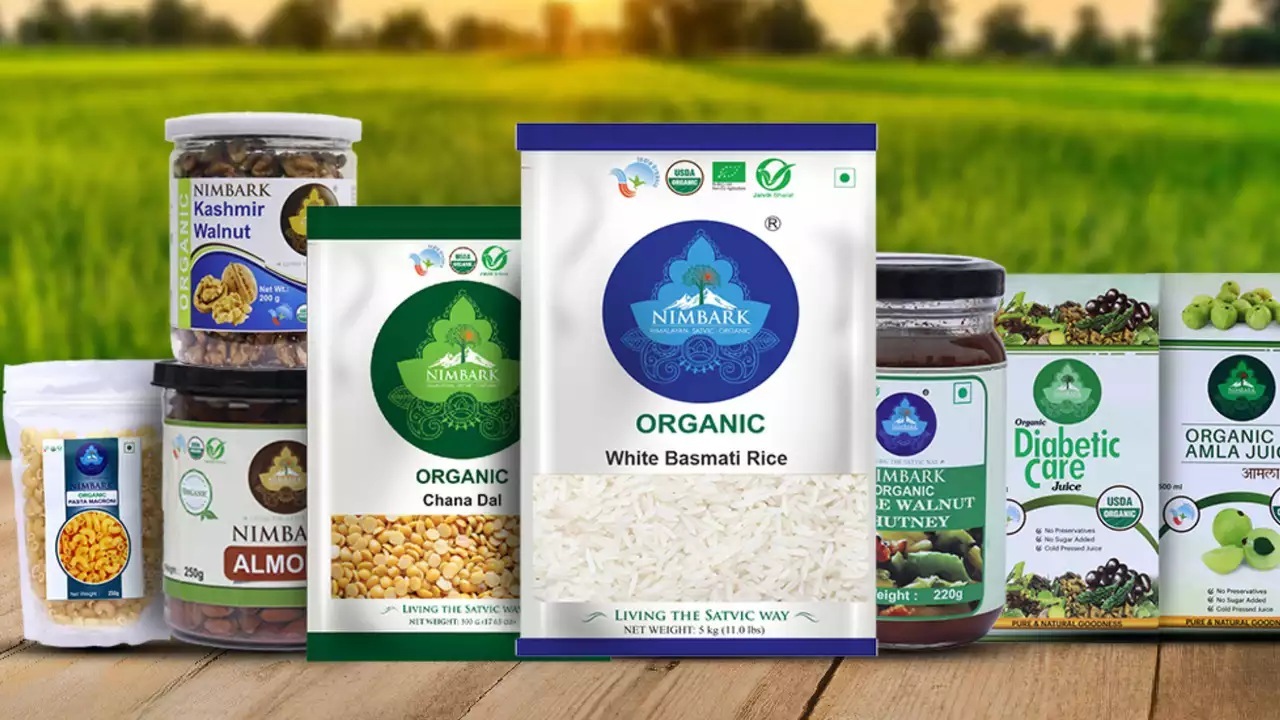
- Organic products under “Nimbark” (premium premium stuff)
And they’re pushing aggressively into:
- Organic foods
- Ready-to-eat / ready-to-cook
- Global exports
Management clearly wants to move from “rice miller” to “FMCG brand.” The problem? That journey is like going from a chai tapri to Starbucks—possible, but expensive, slow, and risky.
Now ask yourself: If this is becoming a premium FMCG play, why are margins still stuck at ~5%? Interesting, no?
3. Business Model – WTF Do They Even