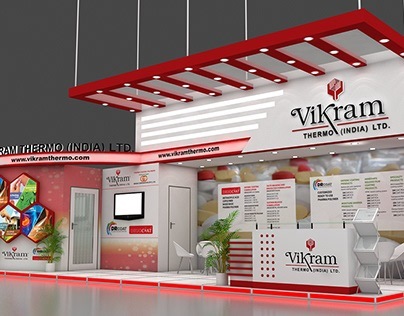
1. At a Glance – The Pharma “Polymer King”… or Just a Fancy Coating Company?
Let me paint you a picture.
A company that makes pharma polymers — the invisible ingredient inside your tablet that decides whether your medicine works slowly, fast, or like a Bollywood climax… suddenly.
Margins? A juicy 39–45% OPM.
Debt? Practically zero.
Cash flows? Decent.
Promoter holding? A tight Gujarati family control at 66%.
Sounds like a hidden multibagger, right?
Now hold your chai.
Despite all this, the company’s ROE is just 6.53%.
Profit growth over 5 years? A sleepy 1.24%.
Recent sales growth? Negative (-1.7%).
And oh, they just did a demerger in 2024 — which is either:
- A genius restructuring move
- Or a classic “let’s rearrange the furniture and hope investors don’t notice”
So here’s the mystery:
How does a company with 40% margins, zero debt, and strong niche products… still manage mediocre returns?
Is this:
- A hidden gem waiting to rerate?
- Or a well-packaged “meh” business?
Let’s investigate like a proper Indian detective with a calculator.
2. Introduction – Pharma Ka Fevicol
Vikram Thermo (India) Ltd is not your typical pharma company.
They don’t make drugs.
They make the thing that makes drugs work properly.
Think of them as:
- The Fevicol of pharma
- The “background dancer” of tablets
- The guy who ensures your medicine doesn’t dissolve at the wrong time
And in pharma, timing is everything:
- Too early → no effect
- Too late → no effect
- Perfect timing → FDA smiles
That’s where pharma polymers come in.
Now the interesting part:
This isn’t a commodity chemical business. It’s application-driven chemistry — where formulation expertise matters.
So in