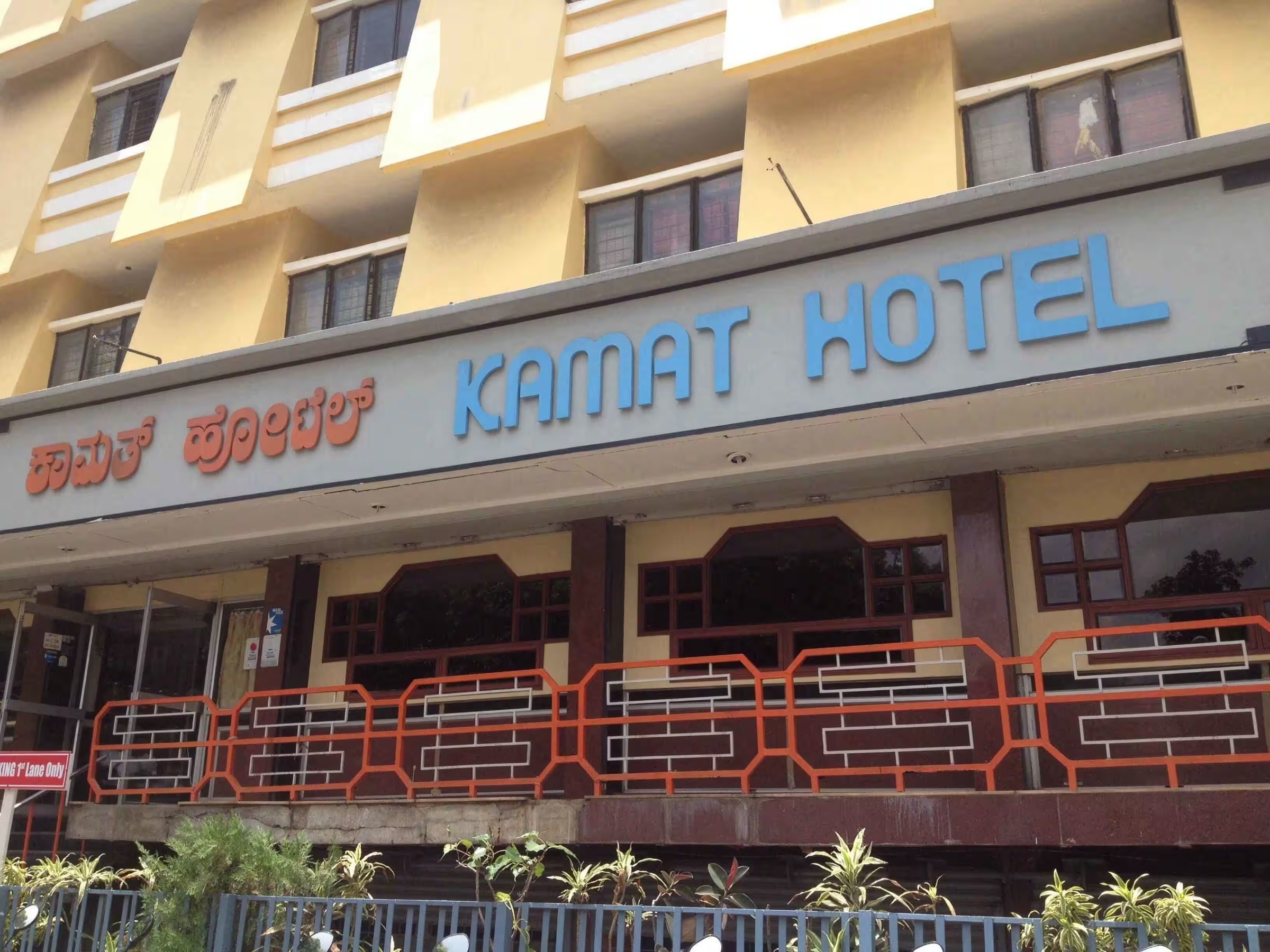
1. At a Glance – The Hotel That Throws Parties… and Balance Sheet Tantrums
Kamat Hotels is that one friend who posts Goa beach pictures, talks about sustainability, owns fancy hotels, and still somehow struggles to manage money like a responsible adult. On paper, everything looks glamorous — ₹118 crore quarterly revenue, 33% EBITDA margin, premium “Orchid” brand, expansion into multiple cities, and even foreign tourists sipping cocktails in Goa.
But scratch the surface, and things start getting spicy.
Profit is down YoY. Revenue growth is underwhelming despite aggressive expansion. Debt is still hanging around like an uninvited shaadi guest. CFO resigns suddenly. Hotels open, hotels close. Litigation worth ₹590 crore casually sitting in the background like a Bollywood villain waiting for interval.
And the cherry on top? The stock has corrected nearly 46% in 6 months.
So what’s going on here?
Is this a classic “temporary turbulence in a strong travel cycle” story… or are we watching a hospitality business trying to juggle too many things at once?
Because right now, Kamat Hotels feels like a five-star buffet where the dessert looks amazing… but you’re not sure about the kitchen hygiene.
2. Introduction – Welcome to India’s Most Dramatic Hotel Chain
Let’s set the scene.
India’s hospitality sector is booming. Weddings are back. Corporate travel is back. Tourism is booming. Everyone is revenge-traveling like there’s no tomorrow.
And right in the middle of this boom stands Kamat Hotels (India) Ltd — a company that has been around long enough to see everything from fax machines to AI bookings.
Their flagship brand, The Orchid, is not just a hotel — it’s Asia’s first eco-friendly five-star chain. Sustainability before it became Instagram content.
But here’s where things get interesting.
Despite being in a booming industry:
- Revenue growth is modest
- Profit is volatile
- Expansion is aggressive but delayed
- And management explanations sound like a weather report mixed with mythology
From washed-away roads in Manali to “Operation Sindoor” affecting travel, to