1. At a Glance – The Solar Company That Forgot to Generate Returns
Urja Global is like that guy in your colony who bought a gym membership, posts motivational quotes daily, but still eats samosas every evening. On paper, this is a renewable energy + EV + battery + solar + everything company. In reality, it is a ₹497 Cr market cap business generating just ₹66 Cr annual revenue and ₹1.29 Cr profit .
Let that sink in. The stock is trading at a P/E of 385 while delivering margins that wouldn’t impress even a roadside chaiwala.
And then comes the spicy part:
Receivables flagged at ₹70+ crore
Tax demands flagged at ₹44+ crore
Working capital cycle stretching beyond 400 days
Promoter holding falling to 18.4%
This isn’t just a red flag. This is a red flag factory.
But wait — there’s more. They’re doing solar, EV scooters, batteries, biofuel, atta chakki, and even planning 268,000 Urja Kendras.
Question for you: Is this diversification… or confusion wearing a startup hoodie?
2. Introduction – From Solar Dreams to Scooter Schemes
Urja Global started life as a solar-focused company — a noble mission. Provide power to remote villages, reduce carbon footprint, become India’s green hero.
But somewhere along the way, the company said: “Why stop at solar when we can do EVERYTHING?”
So now they are:
Selling solar panels
Manufacturing batteries
Making e-scooters
Planning retail chains
Running subsidiaries for real estate and digital business
Basically, if it generates electricity or consumes it, Urja wants to sell it.
Now here’s the catch: Despite all this activity, the company remains tiny in scale.
CARE Ratings literally says:
Small scale of operations
Low profitability
Weak debt coverage
Competitive industry pressure
Translation: “Nice ambition, but execution is still in nursery class.”
And yet the valuation? Premium Netflix subscription level.
So the real question: Are investors buying a renewable future… or funding a diversification experiment?
3. Business Model – WTF Do They Even Do?
Let’s simplify this chaos.
Urja Global operates in three main areas:
1. Solar Business
Installation and trading of solar panels
EPC projects (design + install systems)
Rural electrification focus
2. Battery Business
Lead-acid batteries
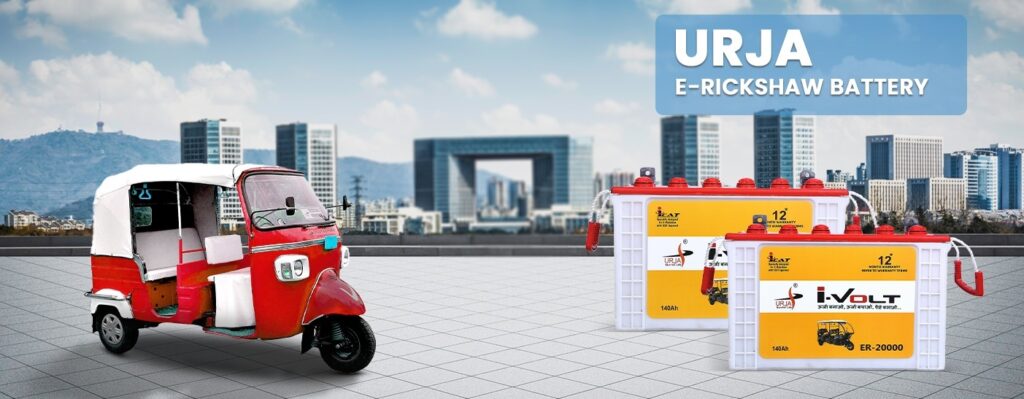
EV batteries
Tie-up with Tesla Power India
3. Electric Vehicles
E-scooters (E-Life, Chetna, Rudra)
E-rickshaws and loaders
Plus:
Urja Kendras (retail outlets)
Online digital ecosystem
Real estate via subsidiary
This is not a business model. This is a buffet.
Now buffet businesses can work… but only if:
You have scale
You have execution
You have margins
Urja currently has none of the three.
CARE Ratings confirms:
Limited value addition in solar
Recently entered scooters & batteries
Facing intense competition everywhere
So again — question for you: Is Urja building an ecosystem… or just collecting business ideas like Pokémon cards?