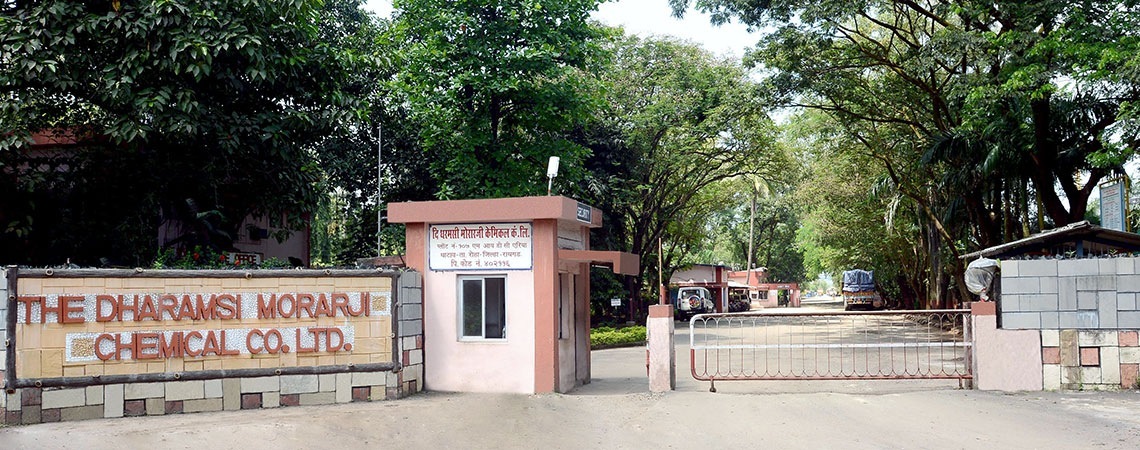
1. At a Glance – The Chemical Drama Nobody Asked For
DMCC Speciality Chemicals is that 100-year-old chemical veteran who should be stable… but instead behaves like a Bollywood side character with anger issues. On paper, everything looks respectable — ₹529 Cr sales, ₹26 Cr PAT, decent 14% ROCE, and a modest P/E of ~20 . But scratch the surface and suddenly the story turns into a full-blown chemical thriller. Europe exports? Gone. Boron supply chain? Broken. Commodity pricing? A ticking time bomb thanks to a new smelter. And margins? Swinging like a pendulum depending on raw material mood swings.
This is not just a chemical company — this is a case study in “how many external risks can one business juggle at once.”
And yet… hidden inside this chaos lies something intriguing — underutilised specialty capacity, improving balance sheet, and a management that knows the problems and is oddly transparent about them.
So the real question is:
Is DMCC a boring chemical dinosaur slowly eroding, or a sleeping operating leverage story waiting for one good quarter?
Let’s investigate.
2. Introduction – Welcome to the Most Complicated “Simple” Chemical Company
At first glance, DMCC looks like a typical Indian chemical company:
- Sulphur-based chemicals
- Boron chemistry
- Specialty exports
- A bit of ethanol chemistry
Basically, if chemistry had a buffet system, DMCC picked everything.
But here’s the twist — this is not a clean specialty chemicals story like the market darlings. This is a hybrid beast:
- Half commodity (low margin, volatile)
- Half specialty (high margin, but demand dependent)
Which means:
You get best of both worlds… and worst of both worlds.
And then Q2/Q3 FY26 happened.
Management literally said:
“It was a difficult quarter”
Translation in investor language:
“Everything that could go wrong, went wrong… simultaneously.”
Let’s list the disasters:
- Europe demand collapse (not competition, just… no demand)
- Boron raw material supply chain breakdown
- Longer working capital cycle (advance payments + 100-day delays)
- Commodity segment dependent on pricing, not volume
- Future threat from Kutch smelter flooding supply
Honestly, if this was a cricket match — DMCC lost wickets due to pitch, weather, umpire, and audience.
But here’s where it gets interesting:
Despite all this, the company is still profitable.
So the real curiosity begins:
If this is the bad phase… what does a normal phase look like?
3. Business Model – WTF Do They Even Do?
Let’s simplify DMCC’s business like explaining to your friend who only invests in IPO hype.
1. Bulk Chemicals (The Bread & Butter)
- Sulfuric acid, oleum, chloro sulphonic acid
- Used in fertilizers, detergents, dyes
This segment:
- Runs at ~95–100% utilisation
- Low margin
- Highly dependent on raw material prices
Basically:
This pays the bills, but won’t make you rich.
2. Specialty Chemicals (The Dream Segment)
- Sulfonating agents, pharma intermediates
- Export heavy (65–70%)
This segment:
- Runs at ~50% utilisation
- High margin potential
- Dependent on global demand
This is where the real money should come from.
But guess what?
Europe demand disappeared.
3. Boron Chemistry (The Problem Child)
- Used in ceramics, detergents, steel, etc.
This