1. At a Glance – The Plastic Drum King Who Forgot Margins Exist
This is one of those companies where everything looks perfect… until you zoom into the profit line and suddenly it feels like a Bollywood movie where the hero disappears in the second half.
Revenue is growing. Capacity is expanding. Big clients are onboard. Solar, recycling, capex, ESG—everything sounds like a LinkedIn influencer post.
But then…
PAT drops 30% YoY.
Margins shrink.
Debt rises.
Interest and depreciation quietly eat profits like relatives at a wedding buffet.
And management?
They’re basically saying:
“Trust us bro, next year will be great.”
Classic.
The real question is:
Is this a genuine operating leverage story about to explode,
or just another capex-heavy midcap stuck in ‘future potential’ mode forever?
Because right now, Pyramid Technoplast looks like:
A company that built the entire factory… but forgot to switch on the profit machine.
2. Introduction – The Industrial Packaging Drama You Didn’t Ask For
Let’s be honest.
Nobody wakes up and says:
“Today I will invest in plastic drums.”
But here we are.
Pyramid Technoplast Ltd is not glamorous. It doesn’t sell EVs, AI, or fintech dreams.
It sells:
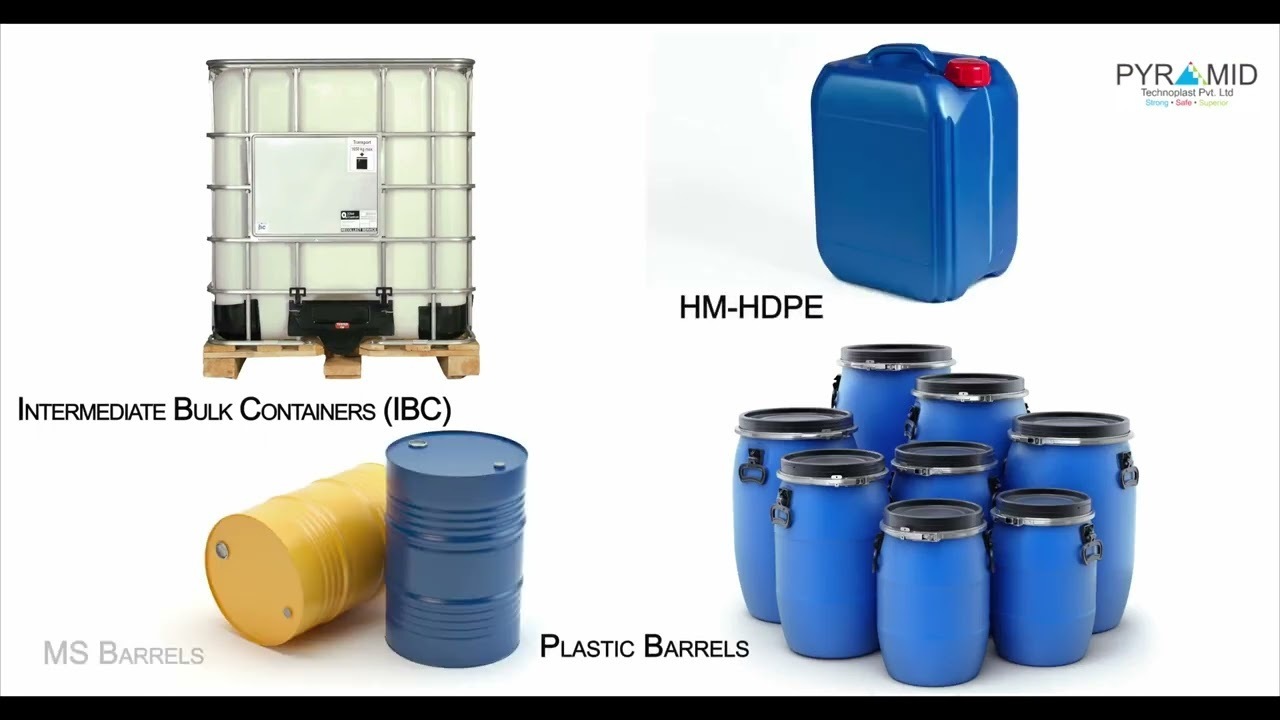
- Plastic barrels
- Chemical containers
- Steel drums
Basically, the tiffin boxes of the industrial world.
But here’s the twist…
This boring business:
- Has sticky demand
- Serves chemical giants
- Is linked to industrial growth
- Has recurring replacement demand
So while influencers chase “next multibagger EV startups,”
this company quietly supplies containers to:
- Adani Wilmar
- Asian Paints
- Aarti Industries
Meaning:
If chemicals move, Pyramid earns.
But here’s where the story gets spicy…
They went into:
- Massive capex
- New plants
- Solar investments
- Recycling units
And now…
they’re stuck in that dangerous zone:
“Everything is built… but profits haven’t caught up yet.”
Ever seen a gym membership in January?
That’s Pyramid Technoplast right now.
3. Business Model – WTF Do They Even Do?
Let’s simplify this like you’re explaining to a friend who still thinks EBITDA is a cricket league.
Core Business:
They manufacture industrial packaging products:
1. Polymer Drums (43% revenue)
- Used for chemicals, liquids
- Sizes: 20L to 250L
- High volume, stable demand
2. IBC Containers (37%)
- Large 1000L containers
- Used for bulk storage
- Fastest growing segment
3. MS Drums (11%)
- Steel containers
- Lower margins
4. Others (12%)
What makes the business interesting?
1. Boring but essential
Nobody skips packaging.
If chemicals are produced → packaging is required.
2. Diversified clients
Top customer = only 6% revenue
Top 10 = 27%
That’s actually healthy.
3. Backward integration
- In-house caps, lids
- Recycling plant
Translation:
Trying to control costs before raw materials control them.
But here’s the catch…
This is a commodity-like business:
- Margins depend on raw material prices
- Pricing power is limited
- Scale matters
So the real game is:
“Can they improve margins faster than they expand capacity?”
4. Financials Overview – Growth vs Profit Tug of War
Quarterly Results Detected → Q3 FY26 → Annualisation Rule