1. At a Glance
Tuticorin Alkali is that classic Indian small-cap chemical company that went from ICU patient to marathon runner — but forgot to check if its lungs can handle the distance. After years of losses between FY17–FY22, the company suddenly flipped the switch in FY23, delivered profits, and is now flexing a 40% ROE and 38% ROCE like it just discovered financial steroids. Sounds impressive? Wait till you realise this entire story is sitting on three uncomfortable truths: customer concentration, aggressive capex funded by debt/promoter loans, and weak cash flow conversion.
The latest quarterly numbers look exciting at first glance — Revenue up 19.9%, PAT up 87% YoY. But then you dig deeper and margins are falling, cash flows are negative, and the company is betting ₹300 crore on expansion in a cyclical industry. This is not a clean growth story. This is a high-risk turnaround wearing a premium valuation suit.
So ask yourself:
Are you looking at the early stages of a multi-year chemical comeback… or just another commodity cycle peak dressed up as a success story?
2. Introduction
Let’s be honest. Nobody wakes up and says, “I want to invest in a soda ash company today.”
This is not tech. This is not consumer. This is hardcore industrial chemistry — pipes, boilers, chemicals, and contracts.
Tuticorin Alkali operates in a segment where:
- Prices are volatile
- Margins are cyclical
- Demand depends on industries like glass, detergents, agriculture
The company manufactures:
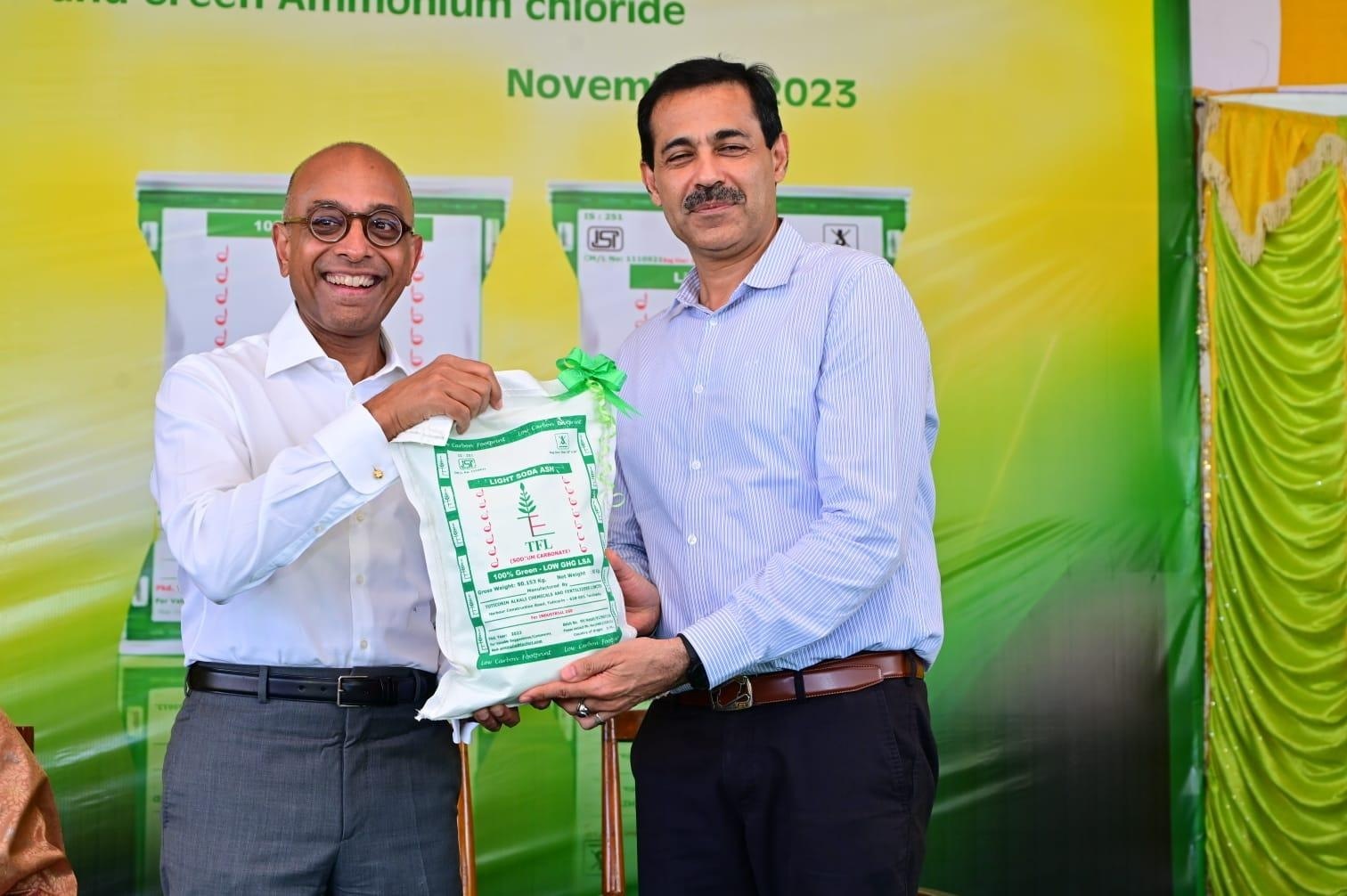
- Soda Ash (used everywhere from detergents to glass)
- Ammonium Chloride (fertilizer)
- Sodium Bicarbonate (food + pharma uses)
So demand exists. The problem is not demand.
The problem is predictability.
From FY17 to FY22, the company struggled due to:
- CO2 plant issues
- Raw material shortages
Then FY23 happened:
- Better utilization
- Higher soda ash prices
- Profit turnaround
But FY24 already showed cracks:
- EBITDA per ton declined
- Ammonium chloride segment posted losses
So what you’re seeing today is not stability.
It is:
A company recovering… in a cyclical industry… during uncertain conditions
And now they’re