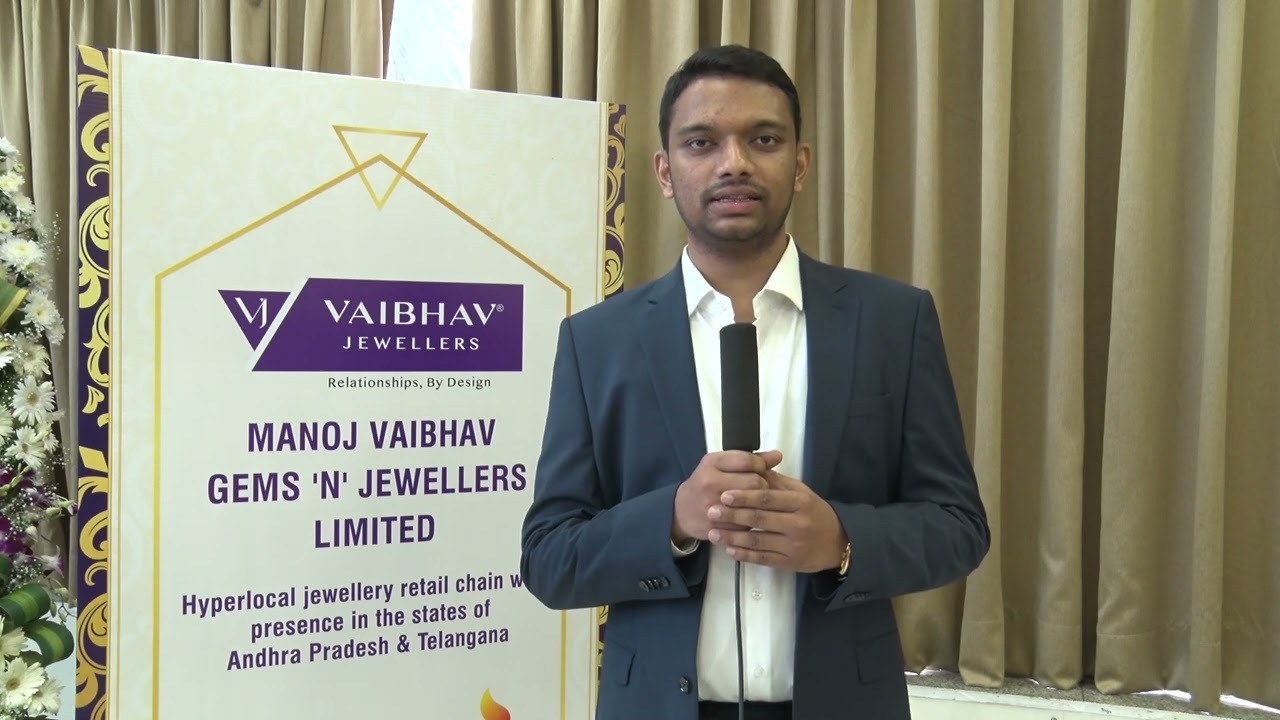
1. At a Glance – The Gold Shop That Prints Profits… Or Just Polishes Them?
There’s something oddly suspicious about a jewellery company growing profits at 40%, sitting at a dirt-cheap P/E of 6, and still getting absolutely zero love from the market. Either this is the most ignored goldmine in India… or investors are sniffing something that isn’t shining as brightly as the display counters.
Here’s the scene: ₹685 crore quarterly sales, ₹35+ crore profit, expanding stores, rising brand presence, improving credit rating… and yet the stock is down ~30% in one year.
So what’s the catch?
Is this a classic “Tier-2 Bharat consumption story” waiting to explode… or just another inventory-heavy jewellery business where profits look good on paper but cash disappears faster than gold during wedding season?
Because when a company has:
- Inventory days above 200
- Negative operating cash flow
- Heavy dependence on gold prices
- And operates in hyper-competitive jewellery retail
You don’t just look at the shine… you check if it’s real gold or gold-plated.
Let’s investigate this like a slightly suspicious auditor who has seen too many “family-run businesses” turn into soap operas.
2. Introduction – From Vizag to Valuation Confusion
Manoj Vaibhav Gems is not your typical Titan-type national giant. This is a regional jewellery player dominating Andhra Pradesh and Telangana with a hyperlocal strategy.
Started in the early 2000s (with roots going back to 1994), the company built its brand “Vaibhav Jewellers” focusing on Tier 2 and Tier 3 cities — basically where weddings are big, gold is emotional, and investment advice comes from aunties, not analysts.
And to be fair — they’ve executed decently:
- 21 stores
- 2 million+ customers
- ₹95,000 average bill value
- Strong brand in coastal Andhra
But here’s where things get interesting.
Unlike big players like Titan, this company:
- Relies heavily on gold jewellery (90%+ revenue)
- Has massive working capital needs
- Doesn’t hedge gold prices
Translation:
If gold price sneezes, margins catch a cold.
And yet, despite all this risk, they’ve managed:
- 21% sales growth
- 32% profit CAGR (5-year)
So the big question is:
Is this a hidden gem… or just a well-decorated showroom with fragile fundamentals?
3. Business Model – WTF Do They Even Do?
Simple. They sell jewellery.
But like every Indian business, the real story is in the “how.”
Core Model:
- Buy gold bullion
- Give it to job workers
- Sell finished jewellery via own stores
Basically, they don’t manufacture much — they orchestrate.
Revenue Drivers:
- Wedding jewellery (main driver)
- Daily wear jewellery
- Old gold exchange (13% sales)
- Silver (higher margins, new focus)
Smart Moves:
- Target Tier 2/3 cities → less competition vs metros
- High emotional demand (weddings, festivals)
- Hyperlocal marketing → “trust-based selling”
Risky Reality:
- Inventory heavy (gold sitting in stores)
- Price volatility risk
- Working capital dependent
This is not a SaaS company.
This is a “lock ₹1,000 crore in inventory and pray gold prices behave” business.
Let me ask you:
Would