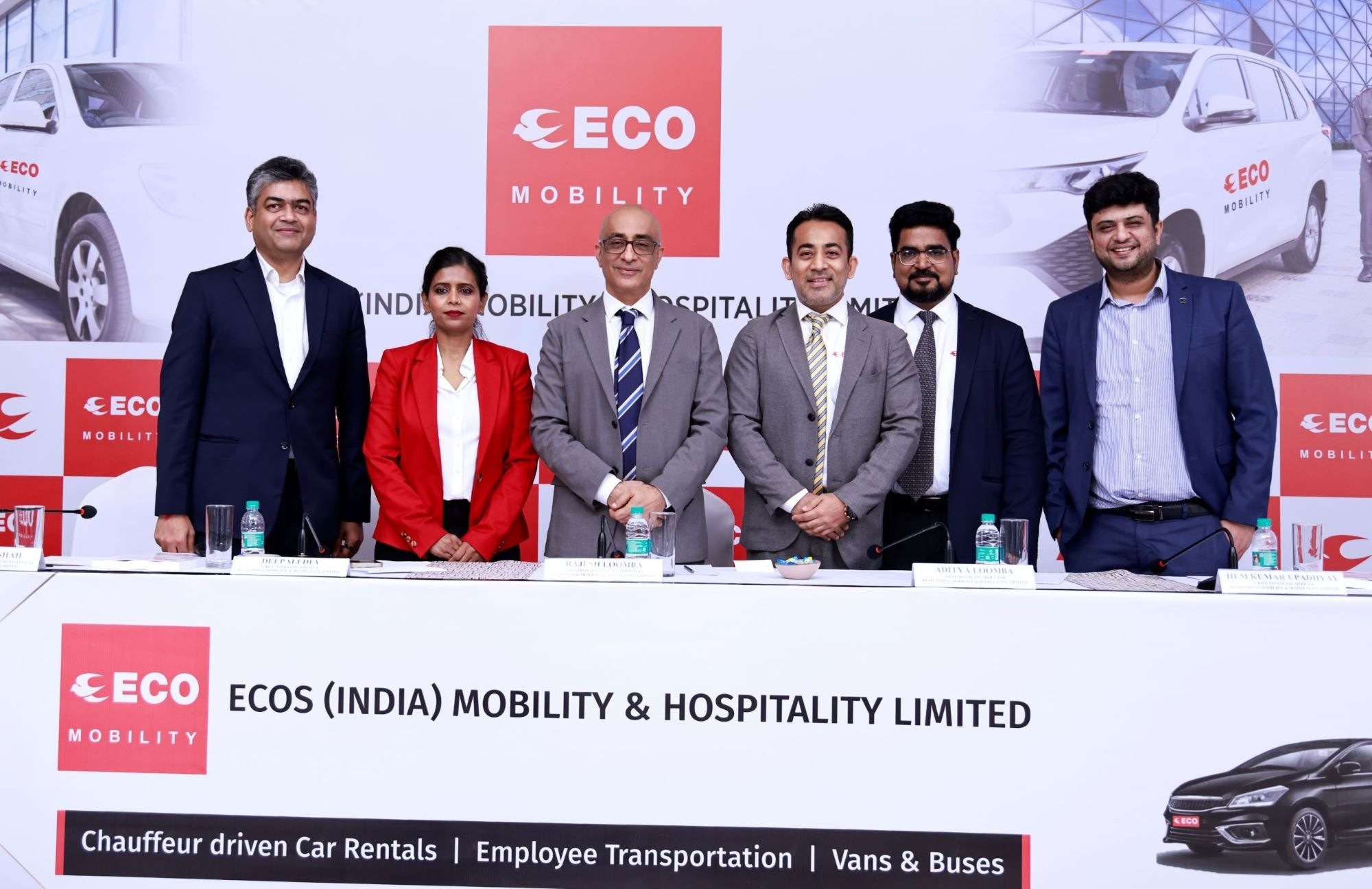
1. At a Glance – The Corporate Cab Mafia Nobody Talks About 🚕
You know that moment when your office cab driver calls and says, “Sir 2 minute”… and arrives after 27 minutes? Yeah, behind that chaos is a company like ECOS quietly running the backend circus.
Now here’s the spicy part — this company has 15,000+ vehicles, 1,200+ corporate clients, operates in 110+ cities, and still doesn’t own most of its cars.
Asset-light? Or asset-less? 😏
Revenue is growing. Clients are increasing. Trips are exploding. But margins? Slowly doing vanishing act like your salary after EMI.
And then comes the real masala:
- IPO happened in Sep 2024
- Stock down ~48% in 6 months
- EBITDA margins shrinking
- Management openly admitting: “We’ll sacrifice margins for market share”
Translation:
“Profit baad mein, pehle domination.”
Sounds familiar? Every startup ever.
But here’s the twist — unlike your typical loss-making startup, ECOS is actually profitable, debt-free-ish, and throwing cash.
So the real question is:
👉 Is this a silent compounder hiding in plain sight?
👉 Or a cab aggregator in disguise, heading into a margin war?
Let’s investigate.
2. Introduction – India’s Corporate Uber… Without the Drama (Or Is There?)
ECOS isn’t Ola.
It isn’t Uber.
And it definitely isn’t your local taxi union guy.
This is B2B corporate mobility — the boring but powerful cousin of ride-hailing.
Think:
- Employee pickup for IT companies
- Airport transfers for executives
- Chauffeured cars for corporates
- Global travel logistics
Basically, if a corporate wants reliable, compliant, audited transport, they call ECOS.
And that’s the moat.
Because corporates don’t care about ₹20 cheaper rides.
They care about:
- Safety
- Compliance
- Reliability
- Billing accuracy
Uber can give you surge pricing.
ECOS gives you SLA contracts and fuel escalation clauses
Big difference.
But here’s where it gets interesting.
Management is aggressively expanding:
- Tier 2 & Tier 3 cities
- Global partnerships (like SIXT)
- Digital platforms
And they’re doing it with one clear strategy:
“Market share first, margins later”
Now pause and think.
How many companies in India have said this… and survived?
3. Business Model – WTF Do They Even Do? 🤨
Let’s simplify this like explaining to your cousin who still thinks “startup = Shark Tank.”
Core Model:
ECOS does NOT own most of its cars.
Instead:
- They have 5,410 vendors
- Vendors own cars
- ECOS manages bookings, clients, operations
They’re basically:
👉 Uber for corporates
👉 But with contracts, compliance, and zero drama
Revenue Streams:
- Chauffeured Car Rentals (CCR)
- Fancy cars, airport pickups, executives
- Premium margins
- Employee Transportation Services (ETS)
- Daily office commute
- Volume game
Asset-Light Genius (or Risk?)
90%+ fleet is vendor-owned.
Meaning:
- Low capex
- High scalability
- Low asset risk
But also:
- Vendor dependency
- Pricing pressure
- Quality control issues
Imagine running Swiggy… but your delivery boys can leave anytime. 😬
Tech Layer
They built:
- RentNet
- CabDrive Pro
- APIs
- Booking tools
21% bookings already digital
Translation:
They’re