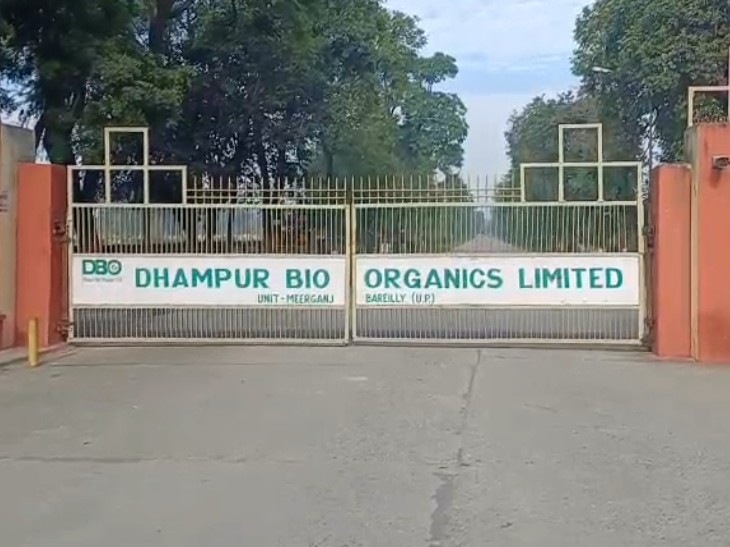
1. At a Glance – The Sweet Poison Nobody Talks About
Sugar companies are like that friend who brings sweets to every party… but secretly owes money to half the city.
Dhampur Bio Organics walks in with ₹486 Cr quarterly revenue and a dramatic 431% jump in profit — looks impressive, right?
But wait.
- ROE? A painfully low 1.56%
- Interest coverage? A scary 1.45x
- Credit rating? Downgraded to BBB+
- Ethanol volumes? Falling
- Inventory cycles? Stretching like a Netflix subscription
And just when you thought things were stabilising…
Income Tax raids.
Plant fire incidents.
Senior management exits.
This isn’t a sugar company anymore.
This is a full-blown Bollywood script with finance as the side character.
Now ask yourself —
Is this a turnaround story… or just a well-decorated balance sheet hiding structural cracks?
2. Introduction – The Great Indian Sugar Drama Continues
Let’s set the stage.
India’s sugar industry has always been a mix of:
- Government control
- Agro dependency
- Political interference
- Cyclical profits
Basically… a reality show where nobody knows who gets eliminated next.
Dhampur Bio Organics came out of a demerger in 2022, inheriting:
- 3 plants
- 26,000 TCD crushing capacity
- Ethanol + power + liquor integration
Sounds like a solid business.
But then reality hit.
- Red rot disease reduced recovery rates
- Government restricted ethanol diversion
- Cane prices increased
- Working capital ballooned
And suddenly…
Profitability started behaving like IPL team loyalty — completely unpredictable.
Even CARE Ratings said:
- Profitability is “subdued”
- Debt is high
- Working capital dependency is rising
Now ask yourself:
If everything is “integrated” and “diversified”…
Why is profitability still struggling?
3. Business Model – WTF Do They Even Do?
Let’s simplify.
Dhampur Bio Organics takes sugarcane and converts it into:
1. Sugar (58%)
- Raw sugar
- Refined sugar
- Pharma-grade sugar
2. Ethanol & Spirits (11%)
- Ethanol for blending
- Molasses-based products
3. Country Liquor (31%)
Yes… they literally sell liquor too.
4. Power Generation
- Sell electricity from bagasse
Basically:
Sugarcane enters → 4 revenue streams exit
Sounds brilliant.
But here’s the catch:
- Sugar is cyclical
- Ethanol pricing is government-controlled
- Liquor margins depend on state policies
So instead of diversification…
You get multiple dependencies.
It’s like ordering 4 dishes from a restaurant… but the chef is the government.
4. Financials Overview – The Numbers Don’t Lie (But They Do Confuse)
Quarterly Performance (₹ Crore)
Source table
| Metric | Dec 2025 | Dec 2024 | Sep 2025 | YoY % | QoQ % |
|---|
| Revenue | 486 | 464 | 558 | |