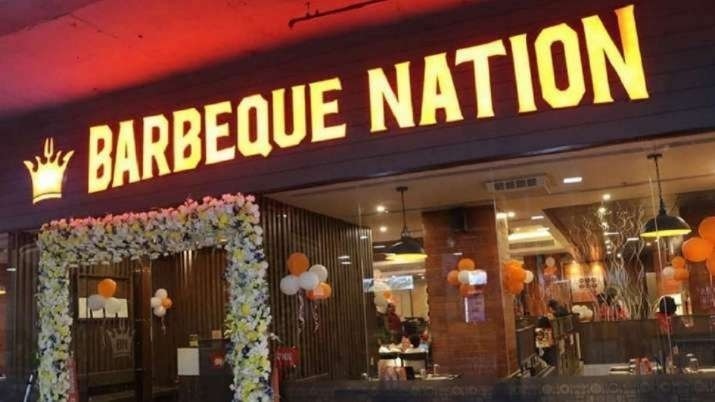
1. At a Glance – The Buffet That Looks Unlimited… Until You Check the Bill
Ladies and gentlemen, welcome to India’s most famous “all-you-can-eat” investment story — where customers are full, restaurants are expanding, management is smiling… but shareholders? Slightly undercooked.
United Foodbrands Ltd just delivered its highest-ever quarterly revenue of ₹377 crore, backed by record dine-in traffic and a strong +14.5% YoY growth . Sounds like a dream quarter, right?
Now here comes the twist: Net profit = -₹7.67 crore. Yes, negative. Again.
So let’s recap:
- More customers ✅
- More restaurants ✅
- More revenue ✅
- More losses ✅
This is like a wedding buffet where the caterer invites more guests every year… but somehow loses money on every plate.
And it doesn’t stop there:
- Debt sitting at ₹826 crore
- Interest coverage = 0.16 (basically breathing through a straw)
- Credit rating outlook: Negative
- ROE: -7.36%
Meanwhile, management proudly claims the business has “structurally shifted one notch above” and this growth is sustainable .
Ah yes… the classic Indian management line:
“Losses today are just investments for tomorrow.”
But how many tomorrows are we talking about?
Here’s the real mystery:
If this is the best quarter ever, what exactly does a bad quarter look like?
And more importantly —
Is this a temporary phase… or a business model that looks great on Zomato but bleeds in the backend?
Grab your plate. This is going to be spicy.
2. Introduction – The Great Indian Buffet Economy
India loves buffets.
Unlimited food. Fixed price. Emotional satisfaction. Instagram stories.
And United Foodbrands built an empire on exactly that.
From a single concept — live grills on tables — they scaled to 249 restaurants globally, including India, Middle East, and Southeast Asia.
But here’s the catch:
Buffets are amazing for customers… but brutal for margins.
Because:
- Customers overeat (obviously)
- Prices are capped
- Costs are volatile (food inflation, rent, salaries)
- Discounts are mandatory to attract footfall
So while the brand screams “premium dining experience,” the financials whisper:
“Please don’t take second serving.”
And competition? Oh, it’s a full plate:
- QSR giants
- Cloud kitchens
- Premium dining brands
- Delivery-first startups
ICRA literally called it out:
“High competition limits pricing flexibility”
Translation:
You can’t raise prices without losing customers.
So the company is stuck in a loop:
- To grow → spend on marketing & discounts
- To maintain margins → cut costs
- To expand → open more stores
- To survive → pray customers keep coming
And honestly… they are coming.
Dine-in volumes grew ~26% YoY and delivery ~29% YoY
So demand is not the problem.
Then what is?
That’s what we’re about to uncover.
But first — let’s answer the most basic question:
3. Business Model – WTF Do They Even Do?
At its core, United Foodbrands is not just a restaurant company.
It’s a footfall engineering machine.
Here’s how the magic works:
1. Core Engine – Barbeque Nation
- Buffet-style dining
- Fixed pricing
- High volume game
Revenue share: 77%
This is the main engine… and also the biggest margin headache.
2. Premium Segment –