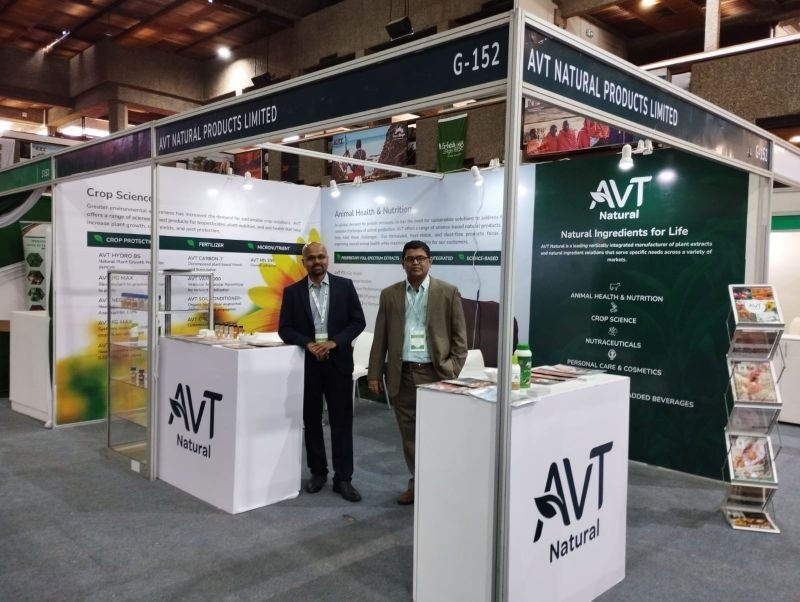
If you ever wondered what happens when a company sells turmeric extracts, marigold pigments, and tea… but behaves like a seasonal agriculture trader with mood swings—welcome to AVT Natural Products.
This is not your typical FMCG darling. This is a company where inventory sits for 431 days, customers account for 80% of revenue, and profits fluctuate like monsoon predictions on WhatsApp forwards. Yet, somehow, it still manages ₹644 Cr revenue and ₹57 Cr profit, trades at a P/E of ~15.6, and carries an A+ credit rating like a well-behaved student who secretly parties on weekends.
So what exactly is this business?
A premium ingredient exporter? An agri commodity processor? Or a sophisticated version of “mandi with Excel”?
Let’s investigate like a financial detective who just smelled something… spicy.
2. Introduction – The Story of a Company That Looks Premium but Behaves Seasonal
AVT Natural Products sits in that awkward middle seat.
Not quite FMCG. Not quite agriculture. Definitely not boring.
It manufactures plant-based extracts used in:
Food coloring
Nutraceuticals
Animal feed
Beverages
Sounds premium, right?
But here’s the twist.
Its raw materials are agriculture-dependent. Which means:
Weather decides margins
China decides pricing
US customers decide demand
And AVT just… reacts.
Between FY22–FY24, revenue declined due to marigold issues. Then suddenly, growth returns. Then margins drop again. It’s like a Bollywood plot with no script supervisor.
Meanwhile:
Europe contribution collapsed from 27% → 7%
US dominates ~45%+ revenue
Top 5 customers control 70–80% of sales
At this point, you should ask:
👉 Is this diversification or just dependence wearing a disguise?
3. Business Model – WTF Do They Even Do?
Let’s simplify this “natural extracts” business.
Step 1: Buy raw agricultural stuff
Marigold flowers
Spices (pepper, paprika, capsicum)
Tea leaves
Step 2: Extract useful compounds
Colors (for food & poultry)
Flavors (for FMCG companies)
Nutraceutical ingredients
Step 3: Export globally
Boom. That’s the business.
Segment Breakdown
Source table
Segment
FY24 Contribution
Marigold Extracts
34%
Spice Extracts
32%
Tea
31%
Others
3%
What’s interesting?
Marigold used for eye care + poultry pigmentation
Spice extracts used in global food chains
Tea includes instant + decaf variants
Basically, they are the backend supplier of things you consume daily… without knowing.
But here’s the catch
This is NOT a brand business.
This is a B2B ingredient supplier.
Which means:
No pricing power like FMCG giants
Completely dependent on global demand cycles
Customers negotiate hard
👉 So ask yourself: If your top 5 customers control 80% revenue… who really runs the business?
4. Financials Overview – Numbers Don’t Lie, But They Do Confuse