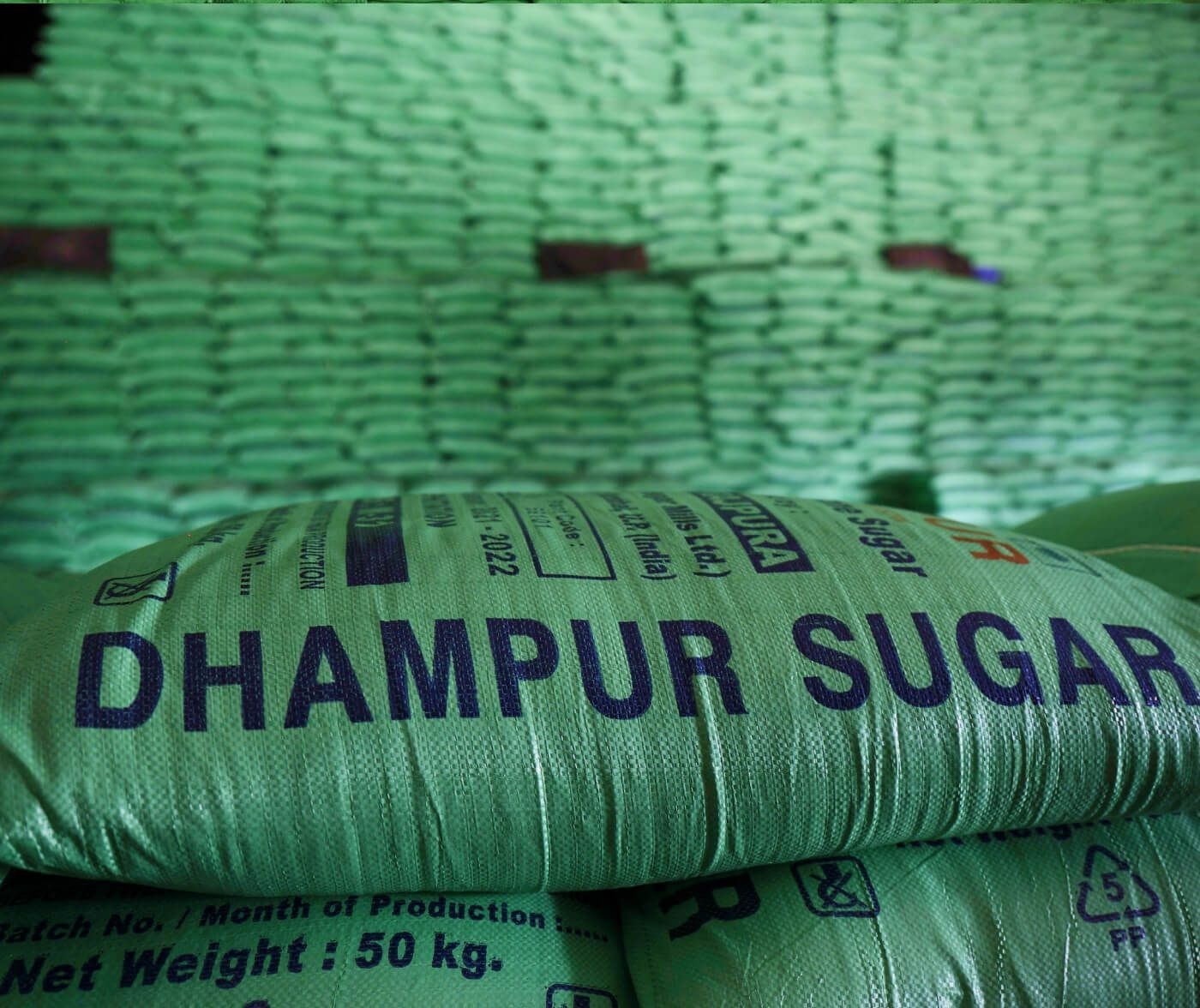
Dhampur Sugar Mills Q3 FY26: Revenue ₹667 Cr, PAT ₹26.5 Cr, EPS ₹4.1 — Sweet Growth or Bitter Reality?
1. At a Glance – The Great Indian Sugar Drama
If Indian stock markets had a Netflix category called “Seasonal Mood Swings,” Dhampur Sugar Mills would be trending at No.1. One quarter it behaves like a disciplined MBA graduate, the next quarter it turns into that cousin who only works during wedding season. Q3 FY26? Surprisingly decent. Revenue jumped, profits improved, and EPS crawled back to ₹4.1 — not exactly Ambani-level fireworks, but at least not a financial horror show.
But here’s the twist — this is a business where profits depend on rainfall, government mood, sugar prices, ethanol policy, and whether your sugarcane plant woke up on the right side of the soil.
So the real question is: Is Dhampur finally stabilising… or just having one good quarter before another sugar crash diet?
2. Introduction – A 90-Year-Old Sugar Veteran With Mood Swings
Founded in 1933, Dhampur Sugar Mills is basically the grandfather of India’s sugar industry. It has survived wars, reforms, demonetisation, and multiple government policies — which honestly deserves a Bharat Ratna in itself.
But survival ≠ wealth creation.
The company operates an integrated business model — crushing sugarcane, producing ethanol, generating power, and even selling liquor. Basically, if sugarcane had a LinkedIn profile, Dhampur would be endorsing all its skills.
Yet despite this diversification, the company has struggled with:
Low ROE (~4.44%)
Weak long-term sales growth (-10.9% over 5 years)
Volatile profits
So yes, it’s experienced… but also slightly tired.
Now the latest Q3 FY26 numbers show improvement. But is it structural or just seasonal sugar rush?
Let’s investigate.
3. Business Model – WTF Do They Even Do?
Let’s simplify Dhampur’s business like explaining to a lazy investor who only reads WhatsApp forwards.
Step 1: Buy sugarcane from farmers
Step 2: Crush it
Step 3: Extract multiple revenue streams:
Sugar → core business (~60%)
Ethanol → government blending story
Power → from bagasse
Chemicals → ethyl acetate
Liquor → because India
Basically, this is not a sugar company. It’s a “nothing goes to waste” factory.
Even the leftover bagasse becomes power. That’s like eating biryani and selling the bones as protein supplements.
But Here’s the Catch
This model sounds brilliant… until:
Cane prices go up (they did)
Ethanol prices don’t increase (they didn’t)
Recovery rate drops (it did)
And suddenly your “integrated model” becomes “integrated headache.”
So ask yourself: Is diversification helping Dhampur… or just complicating the mess?
4. Financials Overview – Numbers Don’t Lie (But They Do Confuse)