1. At a Glance – The PSU That Survives on Subsidy Oxygen
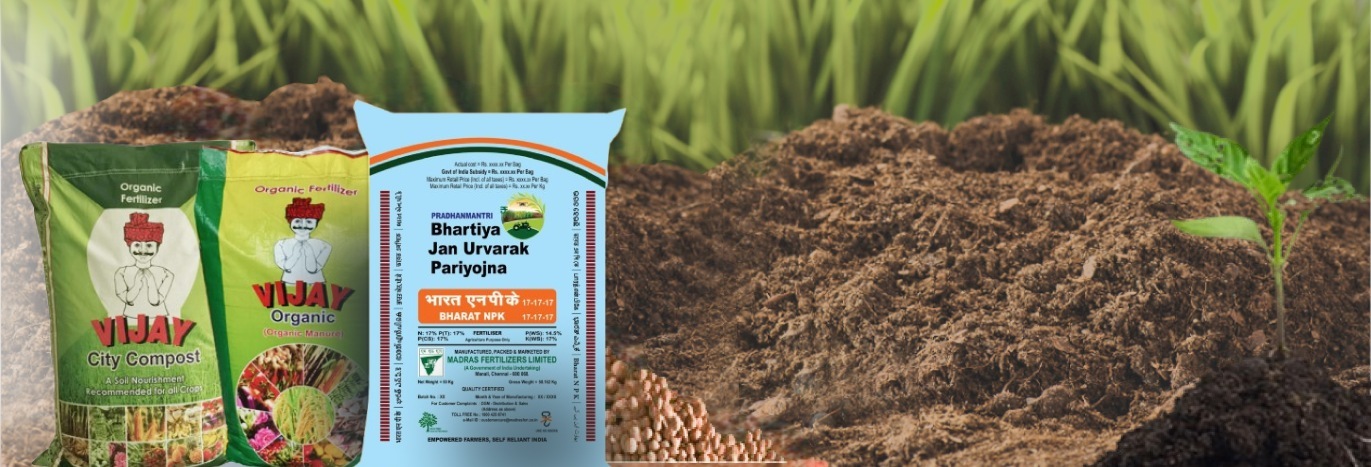
Madras Fertilizers Ltd is that one PSU relative who technically has a job, but their salary comes mostly from “government support.” Imagine running a ₹2,156 Cr business… and 75% of your revenue is basically subsidy. That’s not a business model — that’s a government-sponsored lifestyle. The company sells urea, fertilizers, and organic products under the “Vijay” brand, but financially, it feels like Vijay from a South Indian movie — always fighting, barely surviving, and somehow still alive after multiple near-death scenes.
Now here’s the spicy part:
- Market cap: ₹936 Cr
- Debt: ₹584 Cr
- Net profit (TTM): ₹7 Cr
- P/E: 132
Yes, you read that right. You’re paying 132 times earnings for a company that made ₹7 Cr. That’s like buying a roadside dosa stall at the valuation of a 5-star restaurant… because “government hai na.”
And the balance sheet? Years of losses, negative reserves, loan restructuring drama, subsidy dependence, and a CARE rating that basically says: “We hope the government fixes this.”
But wait…
There’s also a twist:
- Energy efficiency improving
- RLNG transition lowering costs
- Subsidy receivables reducing
- Cash balance ~₹923 Cr
So is this a turnaround story?
Or just a zombie company on life support?
Let’s investigate like a CBI officer who forgot his chai but remembers his sarcasm.
2. Introduction – Subsidy, Survival, and Strategic Chaos
Madras Fertilizers is not just a company. It’s a policy experiment gone long-term.
Founded decades ago, it operates in the fertilizer sector — one of the most regulated industries in India. Prices? Controlled. Margins? Controlled. Profits? Optional.
And the real hero of this story?
Government subsidy.
Back in FY21,
- 75% of revenue came from subsidy
Let that sink in.
This means:
- You’re not selling products
- You’re billing the government
The company manufactures:
- Urea
- Complex fertilizers
- Bio-fertilizers
- Organic manure
But financially, it behaves like:
“Sir subsidy release hua kya?”
Now, things did improve after switching from Naptha to RLNG (gas).
This reduced production costs and improved efficiency.
But here’s the catch:
- Subsidy delays = cash flow issues
- Government loans = restructuring uncertainty
- Margins = razor thin
And the funniest part?
Even after all this struggle… the stock still trades at insane valuations.
So the real question is:
👉 Are investors betting on fertilizers… or government bailouts?
3. Business Model – WTF Do They Even Do?
Let’s simplify.
Madras Fertilizers:
- Produces fertilizers
- Sells to farmers (indirectly)
- Through government pricing
- Gets subsidy from government
So actual flow:
Farmer → pays low price → government compensates → company survives
Translation:
“Customer pays half, government pays the rest.”
Product Segments
- Vijay Fertilizers
- Vijay Organic
- Vijay Neem
- Vijay Biofertilizers
Sounds premium… but margins say “kirana store.”
Capacity
- Urea: 4,86,750 MT
- Ammonia: