1. At a Glance – Rice, Risk, and Ruthless Margins
If you think rice is boring, congratulations—you’ve clearly never seen a company turn basmati into a geopolitical chess piece, a working capital circus, and a margin rollercoaster… all at once.
Welcome to Chamanlal Setia Exports Ltd (CLSEL)—a company that sells rice in 90+ countries, plays currency roulette without hedging, avoids Iran like it’s a bad Tinder match (unless prepaid 💀), and somehow still manages to clock ₹431 Cr quarterly revenue with ₹36 Cr profit .
But here’s the twist:
Despite all this hustle, the market is pricing it like a sleepy FMCG stock at P/E ~10.7 vs industry ~23.7 .
So what’s happening here?
- Is this a hidden export machine quietly compounding wealth?
- Or a volatile commodity trader dressed up as a premium basmati brand?
- Or just another “rice exporter” that spikes when freight falls and crashes when monsoon sneezes?
Because in this business, margins don’t come from branding…
They come from buying paddy at ₹6,400 and selling it like you’re Gordon Ramsay plating biryani.
And if management itself says previous quarters were “not so good” due to lazy sales teams, then bhai… this is not a boring company. This is a full Netflix drama with rice sacks.
Now the real question:
👉 Are you investing in a brand-building FMCG future
👉 Or a high-risk, high-reward commodity trading engine?
Let’s dig in.
2. Introduction – The Rice Mafia You Didn’t Notice
India exports software, pharma, and apparently… rice like it’s contraband gold.
CLSEL sits right in the middle of this ecosystem—not as a glamorous brand like LT Foods, but as the behind-the-scenes operator supplying 300+ private labels globally.
Yes, this is the guy who cooks the biryani… but lets someone else take the Instagram credit.
And that’s exactly where things get interesting.
The Reality Check
- 89% of revenue comes from exports
- Major markets: Middle East, Africa, Asia
- Business is dependent on:
- Monsoon
- Freight costs
- Government bans
- Currency movements
- And occasionally… war
This is not IT sector stability. This is “bhai shipment pahucha kya?” economics.
The FY24–FY26 Story
- FY24: Growth + freight disaster
- FY25: Margins compressed due to logistics
- FY26: Management says “we woke up and started selling properly again”
Yes, that’s literally what happened.
Sales teams were “lethargic” → management started travelling globally → sales jumped.
Imagine your portfolio depending on whether someone attended Gulfood exhibition or not.
But There’s Something Smart Here
CLSEL is NOT trying to be a fully integrated rice giant.
Instead, it runs a semi-asset-light model:
- 70%: Buy semi-processed rice → finish it → sell
- 30%: Buy paddy → process fully
This reduces:
- Inventory risk
- Ageing requirement
- Capital intensity
Translation:
👉 Less warehouse stress, more trading agility.
And Then Comes the Bold Stuff
- No currency hedging
- Opportunistic inventory buying
- Avoiding Iran (unless prepaid 😂)
- Rejecting low-margin bulk orders
This is not conservative management.
This is street-smart trading mentality inside a listed company.
So ask yourself:
👉 Do you prefer predictable FMCG cash flows?
👉 Or a company that says “8 out of 10 times rupee weakens, so chill”?
3. Business Model – WTF Do They Even Do?
Let’s simplify.
CLSEL does 3 things:
1. Procure Rice (or Paddy)
From farmers in Punjab/Haryana.
2. Process / Polish / Package
Using:
- Sortex machines
- Dryers
- Packaging units
3. Sell Globally
- Either under private labels (bulk business)
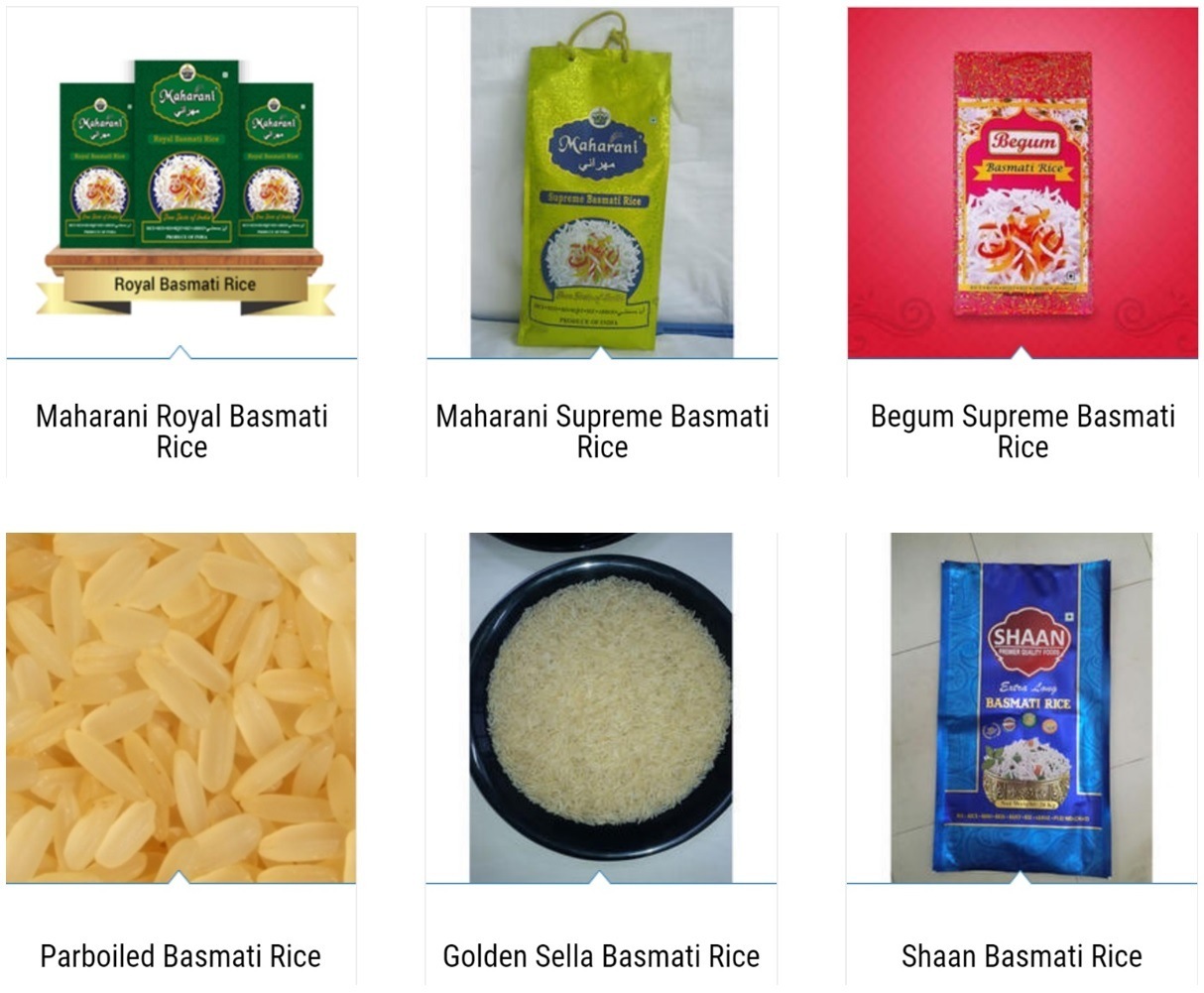
- Or own brands like Maharani
The Genius (or Risk) Layer
Instead