Jindal Poly Investment Q3 FY26: ₹702 Cr Profit, P/E 1.22, 87% Margins — Genius Holding Company or Accounting Gymnastics?
1. At a Glance – The Financials That Look Like They Skipped Leg Day but Hit Upper Body Hard
If you ever wanted to see a company that prints ₹702 crore quarterly profit on just ₹962 crore revenue while casually flexing an 87% operating margin and a P/E of 1.22, congratulations — you’ve found the unicorn… or the illusionist.
Welcome to Jindal Poly Investment & Finance Company Ltd, a business where revenue doesn’t behave like revenue, profits don’t behave like profits, and valuation looks like it accidentally fell off a cliff.
This is not your typical NBFC. This is a Core Investment Company (CIC) — which is basically a fancy way of saying:
“We don’t run a business. We own businesses. And pray they send dividends.”
And boy, when those investments click, the numbers go absolutely bonkers.
PAT margin: 934% (yes, you read that right)
Quarterly profit growth: 2000% YoY
Sales growth: 12,230% YoY
EPS (Q3 FY26): ₹667.86
And still, the market says:
“Nah, I’ll value you at 1.22 P/E.”
Either the market is missing something… Or it knows something you don’t.
So what exactly is going on here? Is this a hidden compounding machine or just a balance sheet magician pulling rabbits out of valuation hats?
Let’s investigate.
2. Introduction – The Lazy Billionaire Model
Imagine you’re rich. Not “drive a Fortuner” rich, but “own power plants without running them” rich.
Would you: A) Run factories, manage employees, deal with unions, taxes, headaches B) Just own shares of companies and wait for dividends
Jindal Poly Investment clearly chose Option B — the ultimate passive income dream.
This company is not here to hustle. It’s here to collect.
But here’s the twist: Unlike your typical dividend portfolio, this company is heavily concentrated in group companies, especially in the power sector.
And that creates two extreme outcomes:
When the underlying investments perform → profits explode
When they don’t → silence, volatility, confusion
That’s why you see wild swings in revenue history:
FY22 sales: ₹2,477 Cr
FY24 sales: ₹36 Cr
TTM sales: ₹997 Cr
This is not business growth. This is investment income mood swings.
So ask yourself: 👉 Are you investing in a company… or in someone else’s portfolio?
3. Business Model – WTF Do They Even Do?
Let’s simplify this.
Jindal Poly Investment is basically:
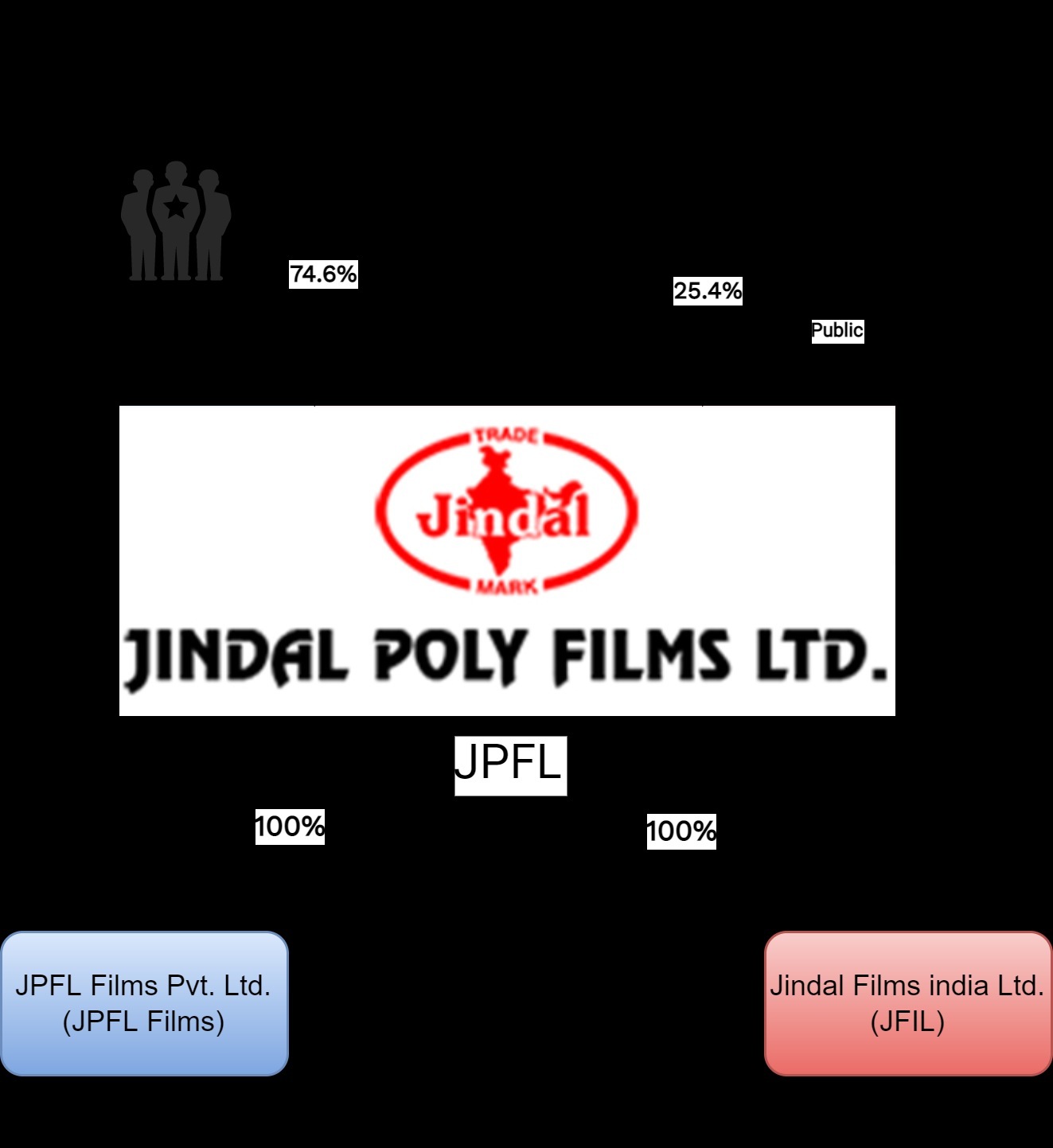
A holding company that holds shares of other companies… that actually do the work.
Key Rules (Straight from CIC Playbook):
Must invest 90%+ in group companies
At least 60% in equity
Can’t freely diversify like mutual funds
Depends on:
Dividends
Capital appreciation
So essentially:
👉 No factories 👉 No products 👉 No customers
Just:
Equity investments
Fair value accounting
Occasional dividends
And the biggest bet?
👉 Power sector exposure
Which means your returns depend on:
Power demand
Tariffs
Regulatory drama
Government mood swings
This is less like a business and more like:
“Mutual fund manager who can’t diversify.”
Now the real question:
👉 Do you trust their investment choices more than your own?
4. Financials Overview – Numbers That Need Therapy