1. At a Glance – The Great Offshore Soap Opera
Picture this: a company sitting on oil rigs worth hundreds of crores, earning dollar-denominated revenues, running at 99% uptime like a German machine, and suddenly reporting a loss of ₹33 crore. Why? Not because rigs stopped drilling. Not because oil vanished. But because accounting said “reverse kar do bhai” due to a court case.
Welcome to Jindal Drilling — where operations are steady, margins are juicy, cash flows are booming… but profits behave like a Bollywood plot twist.
You’ve got:
- Operating margins ~30–40%
- Debt almost negligible (₹117 Cr)
- P/E of just ~6
- Order book ~₹1,956 Cr shrinking slightly but still chunky
And yet the market says: “Hmm… something smells fishy.”
Is this a hidden gem buried under legal mud?
Or just another cyclically lucky oil services player riding crude price waves?
And most importantly —
When your profits depend on both oil prices AND Supreme Court judgments… are you investing or gambling?
2. Introduction – The Case of the Missing Profits
Let’s simplify the drama.
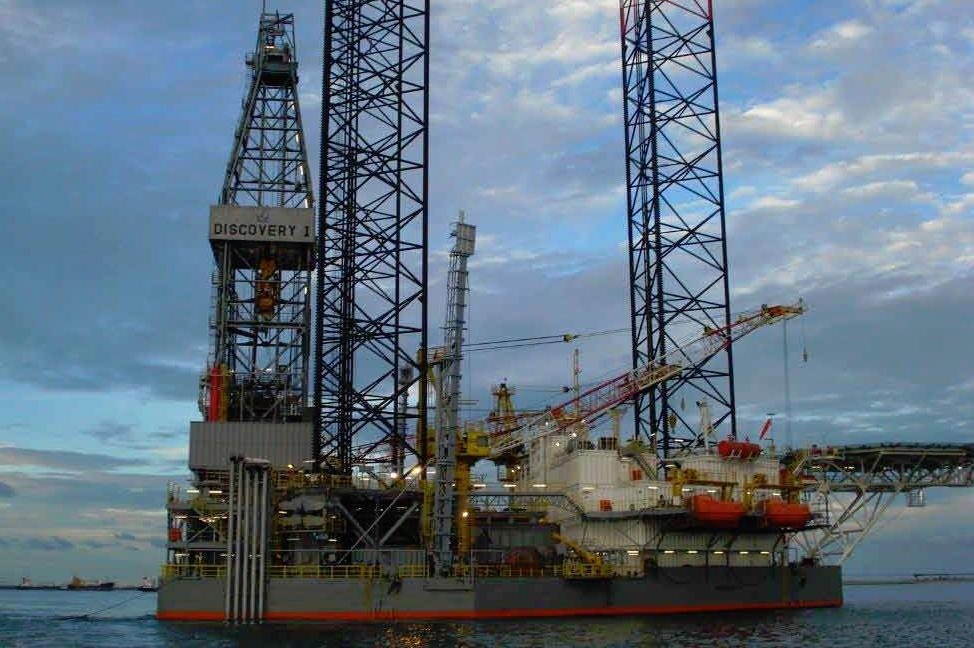
Jindal Drilling is not your typical IT services “AI + Cloud + Buzzword” company. This is hardcore industrial India — rigs, oil, contracts, ONGC, and a lot of steel floating in the Arabian Sea.
Now here’s the twist:
- Operations? Stable
- Revenues? Growing
- EBITDA? Strong (~₹350 Cr expected)
- Profit? Suddenly negative in Q3 FY26
Why?
Because the company earlier booked ~₹100 Cr gain from ONGC arbitration…
Then Supreme Court said: “Hold on beta, case still pending.”
So company reversed that income.
Result:
📉 Profit goes from hero → zero → villain
Management literally said:
“No change in operational performance… only accounting reversal impacted bottom line.”
This is like scoring 90 marks in exam but result shows FAIL because answer sheet under review.
Now ask yourself:
👉 Do you trust reported profits?
👉 Or do you focus on underlying business?
Because here — numbers lie temporarily, but cash flows don’t.
3. Business Model – WTF Do They Even Do?
Let’s break it down like you’re explaining to a lazy MBA friend:
Jindal Drilling

One Response
Expand on Cyclicality? In what sense? Do they deviate over the contract period? What affects it’s margins? Do GRMs matter for this company? How are charter rates defined?