1. At a Glance – The Great Indian Tile Saga
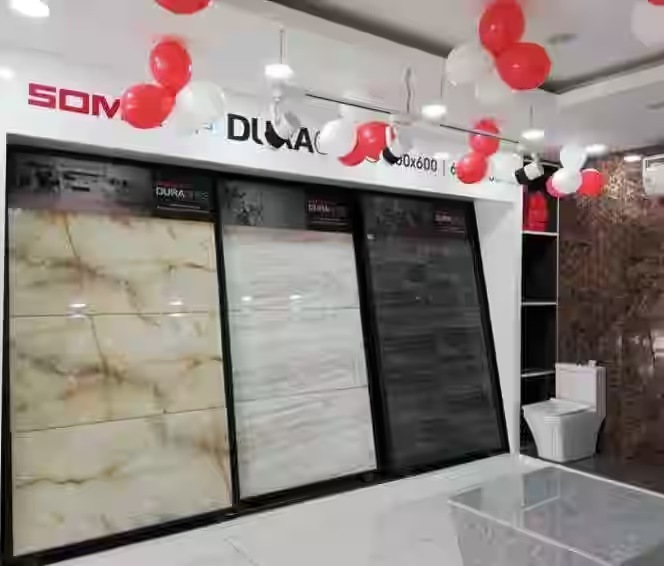
Picture this: You walk into a shiny tile showroom. Lights everywhere, glossy surfaces, marble-like finishes screaming “Italian luxury” but priced like “Morbi discount clearance.” That, dear reader, is the battlefield where Somany Ceramics is fighting its war.
Now here’s the twist — this isn’t a fairy tale of explosive growth or a horror story of collapse. This is something far more dangerous: a slow, grinding, middle-class business trying to act premium while battling commodity economics.
Somany Ceramics clocks ₹682 crore quarterly revenue and ₹18 crore profit, while margins are crawling back to ~9% EBITDA. Sounds decent? Wait till you realise this company has been stuck in a decade-long treadmill of average returns, mediocre growth, and constant competition.
And yet — despite all that — it refuses to die.
It has:
- A strong brand
- 3,000+ dealers
- 500+ showrooms
- Nationwide presence
- Asset-light JV model
But also:
- Low ROE (~8%)
- Thin margins
- High competition
- Cyclicality tied to real estate
So the real question is:
👉 Is this a boring but stable compounding story in disguise?
👉 Or just another “builder ka dost” business stuck in mediocrity?
Let’s peel this tile layer by layer.
2. Introduction – The “Premium Tile” Drama
Let’s be honest.
Tiles are not sexy.
Nobody wakes up and says, “Bro, I need vitrified tiles exposure in my portfolio.”
But Somany wants you to believe otherwise.
They’ve built a brand that screams:
- “Premium”
- “Design”
- “Luxury living”
But the reality?
They operate in a brutally competitive industry where:
- Price wars are common
- Morbi manufacturers flood supply
- Gas prices decide margins
- And builders delay payments like it’s a sport
Even CRISIL politely says:
- Growth is muted
- Margins are under pressure
- Competition is intense
Translation:
👉 This is not a high-margin FMCG business
👉 This is construction material with lipstick
Yet, management keeps