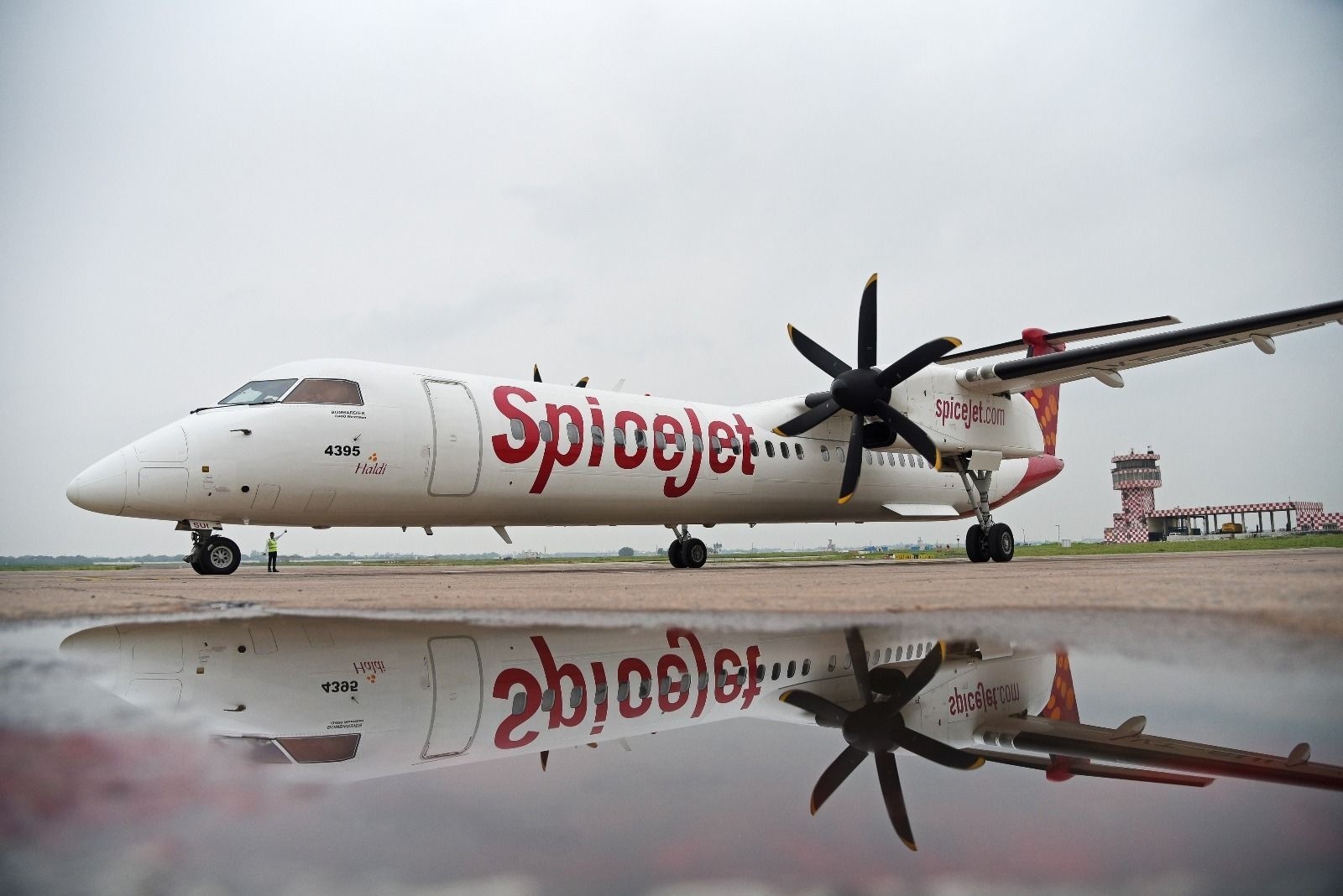
1. At a Glance – Welcome to the Most Dramatic Airline Soap Opera
SpiceJet is not a company. It is a Bollywood franchise.
One quarter it’s bankrupt-looking, next quarter it’s raising ₹3,000 crore, then suddenly it’s adding aircraft like it’s ordering pani puri plates.
But here’s the current scene:
- Revenue is rising
- Losses are shrinking (slightly… don’t celebrate yet)
- Fleet is still half grounded
- Market share is still tiny
- Promoters are pledging shares like collateral in a wedding loan
And yet… somehow… it refuses to die.
You’re basically watching an airline that:
- Has negative net worth
- Has been loss-making for years
- Still manages to raise capital
- And keeps promising “next year will be the turnaround”
Sounds familiar? Like that one friend who says “bro next attempt pakka UPSC clear.”
The real question is:
Is SpiceJet finally fixing itself… or just surviving longer than expected?
2. Introduction – From High Flyer to Survival Mode
Let’s rewind.
SpiceJet used to be a decent low-cost airline competing with the big boys. Then came:
- Boeing 737 MAX grounding
- Covid crash
- Rising fuel costs
- Lease liabilities
- Legal fights
Basically… everything that could go wrong, went wrong.
Now fast forward to FY26:
- Market share has fallen from double digits to ~3%
- Only a fraction of fleet is operational
- Losses are still coming like EMI reminders
But wait — management says:
- Fleet will double
- Capacity will triple
- Profitability will