Search for stocks /

K.P. Energy Ltd Q3 FY26: ₹345 Cr Sales, 62% Growth, Yet Stock Down 20% — Market Sleeping or Smelling Something?


1. At a Glance

K.P. Energy is that one guy in your class who scores 90% but still complains about life. Market cap ₹1,861 Cr, stock price ₹275, and yet the stock is down ~20% in 3 months. Why? No clue. Meanwhile, revenue grew 62.8% YoY and profit jumped 56.7%. ROE is a spicy 45.4% and ROCE is 41.7%. P/E? Just 12.5 — cheaper than your weekend pizza budget. Either the market is blind, or it knows something you don’t. Curious now? Good. Let’s dig.


2. Introduction

Welcome to Gujarat’s renewable energy party — where everyone is installing windmills faster than politicians switch parties.

K.P. Energy is not your typical “power company.” It doesn’t just generate power — it builds the entire ecosystem. Think of it as the wedding planner of wind farms. From finding land to installing turbines to maintaining them — full shaadi package.

And here’s the twist:
This company is deeply tied to its own group (KP Group), which means… business is booming internally. But also… dependency risk.

So the big question:
Is this a smart vertically integrated model… or a family WhatsApp group where everyone gives contracts to each other?


3. Business Model – WTF Do They Even Do?

Let’s simplify this:

1) EPCC (96% of revenue)

This is the main engine.

  • Finds land
  • Gets approvals
  • Installs wind turbines
  • Connects to grid

Basically, they do everything except pray for wind (that’s nature’s department).

2) IPP (3%)

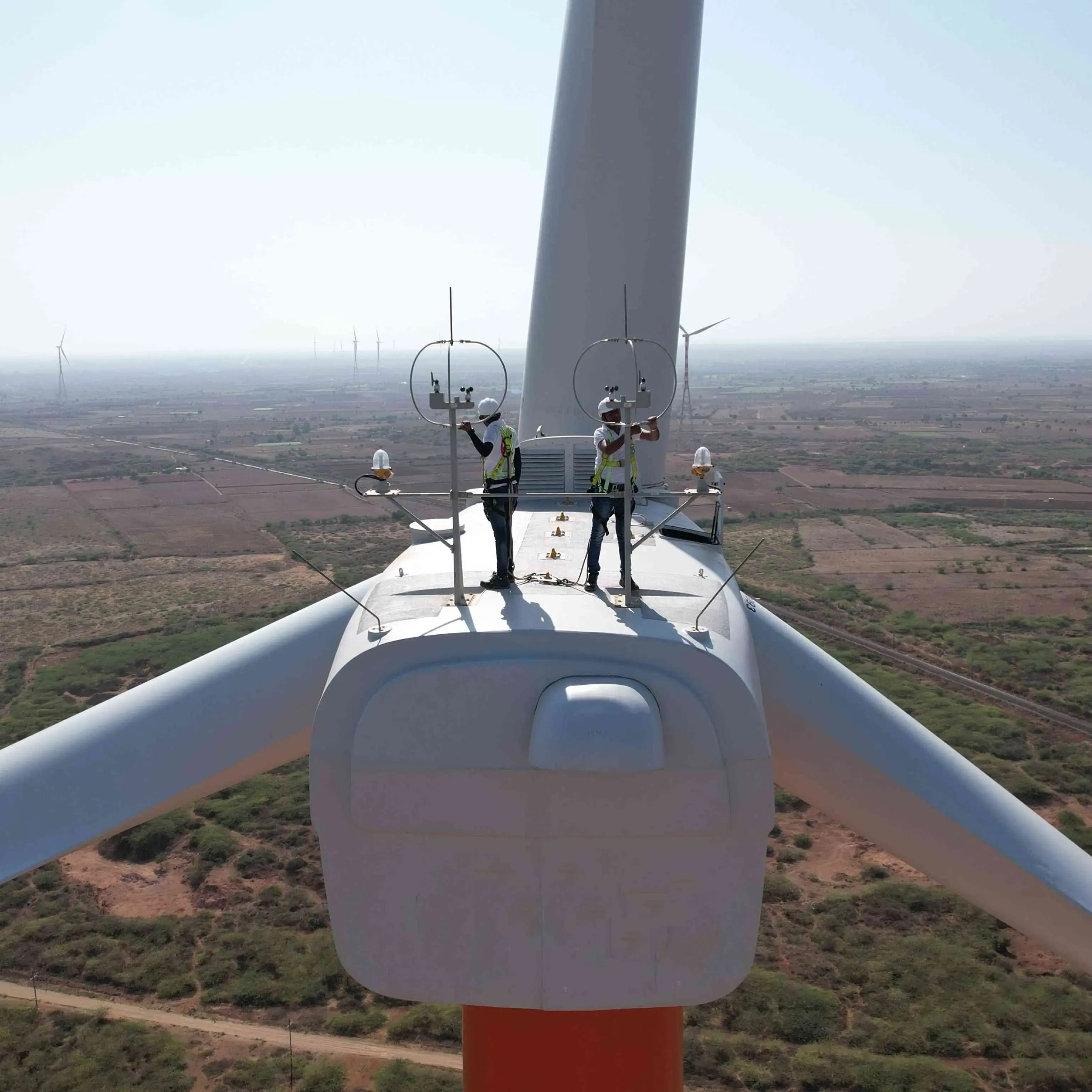
They also own some wind + solar assets (~48.5 MW).
  • Generates electricity
  • Sells it
  • Earns steady income

Think of this as their “rental income” business.

3) O&M (1%)

Maintenance of wind farms.

  • Ensures turbines don’t act like Indian government websites

Now think:

👉 If 96% revenue comes from EPC… is this a stable business or project-based rollercoaster?


4. Financials Overview

Quarterly Results Detected: Q3 FY26 → EPS Annualised = Q3 EPS × 4

Source table
MetricQ3 FY26Q3 FY25Q2 FY26YoY %QoQ %
Revenue₹345 Cr₹212 Cr₹301 Cr+62.8%+14.6%
EBITDA₹75 Cr₹43 Cr₹66 Cr+74%+13.6%
PAT₹41 Cr₹26 Cr₹36 Cr+56.7%+13.9%
EPS₹6.18₹3.96₹5.37+56%+15%

Annualised EPS = 6.18 × 4 = ₹24.72

👉 P/E recalculated = 275 / 24.72 ≈ 11.1

Market says P/E 12.5, but our math says cheaper.

Translation:
Either the market is lazy… or you’re getting a discount.


5. Valuation Discussion – Fair Value Range

1) P/E Method

  • EPS = ₹24.72
  • Industry P/E = ~30

Fair Value Range:

  • Low: 24.72 × 15 = ₹370
  • High: 24.72 × 25 = ₹618

2) EV/EBITDA

  • EV = ₹2,101 Cr
  • EBITDA (TTM) ≈ ₹259 Cr

EV/EBITDA = 7.7

Industry range: 10–15

Fair Value Range:

  • ₹3,000 Cr to ₹3,800 Cr EV
    → Implies stock upside zone

3) DCF (Simplified)

  • Growth assumption: 20–25%
  • Margin stable

Range:
₹350 – ₹600


Final Fair Value Range:

👉 ₹350 – ₹600

Disclaimer: This

error: Content is protected !!
