01 — At a Glance
The Retail Maverick That Just Got a Billionaire’s Blessing
- 52-Week High / Low₹392 / ₹220
- Q3 FY26 Revenue₹466 Cr
- Q3 FY26 PAT₹19.8 Cr
- TTM EPS₹8.86
- Annualised EPS (9M Avg × 4/3)Volatile
- Book Value / Share₹61.2
- Debt/Equity1.91x
- Store Count (Dec 2025)252 stores
- Retail Area2.35 Mn Sq Ft
- Revenue Growth YTD+38% YoY
Flash Summary: Baazar Style Retail posted Q3 FY26 revenue of ₹466 crore (+13.3% QoQ, +10% on a comparable basis after H1 exceptional items) and PAT of ₹19.8 crore. But that’s not the story. The story is ₹331 crore from Cupid Limited. It’s not an investment. It’s a strategic invasion of the value fashion space by India’s most notorious family business. And management is telling you exactly what they’ll do with the money: open 60–80 stores a year instead of 40–50. Cannibalization be damned, we’re building a nationwide empire. The market, still nursing a -10.9% return over 3 months, hasn’t priced this in.
02 — Introduction
Bazaar Style: The Outfit Your Mummy Can Afford (And Now Cupid’s Mummy Can Buy Too)
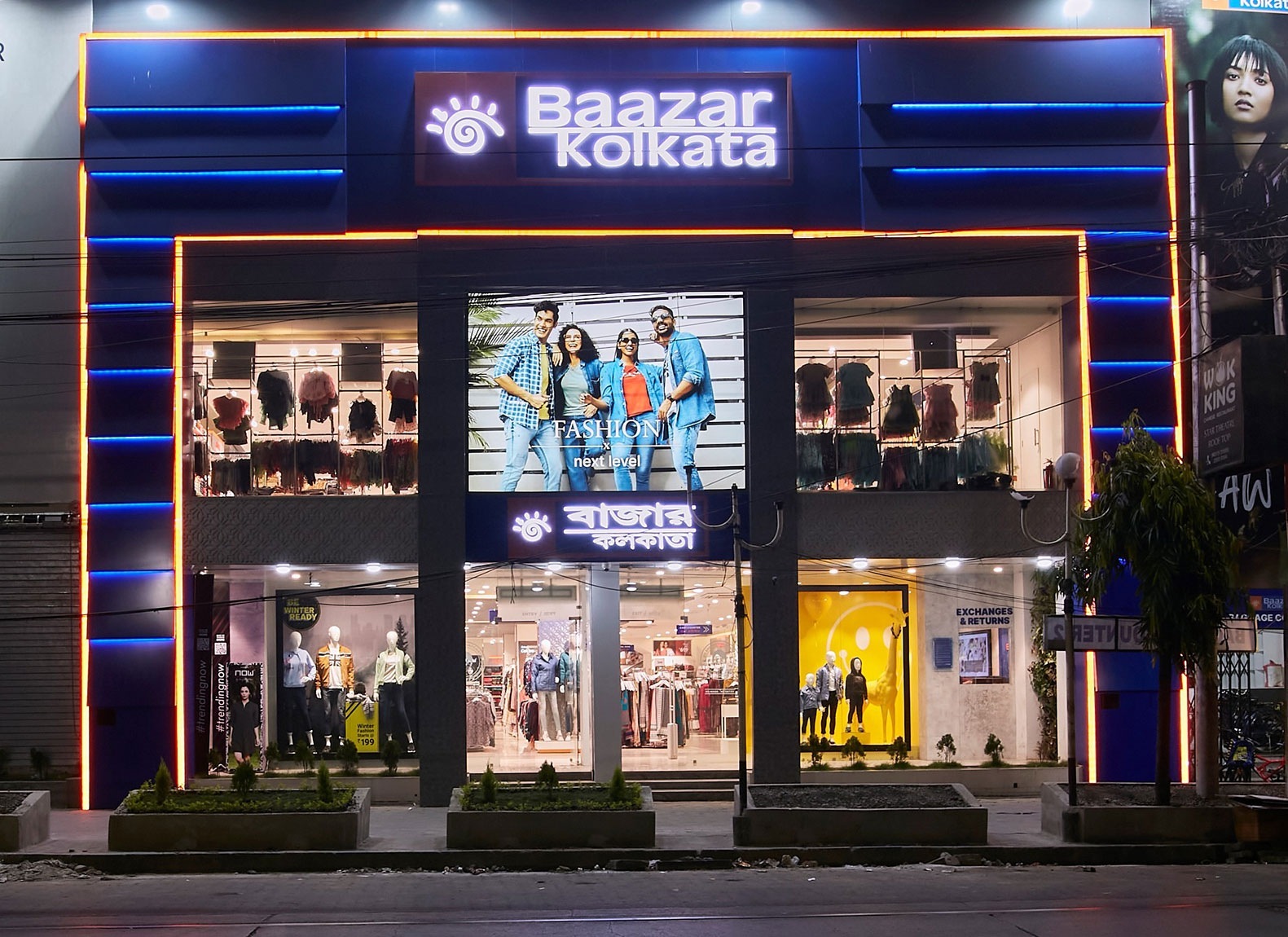
Let’s start with geography. While Trent is fighting Bata-wearing Delhi yuppies in Tier-1 metros, Baazar Style has planted its flag in West Bengal, Odisha, Assam, Bihar, Tripura, and a handful of tier-2 cities most “national” retailers think don’t exist. They’ve got 252 stores as of December 2025. They’re growing at 38% YoY on a 9-month basis. And they’re profitable — ₹19.8 crore PAT in Q3 might not sound like SoftBank money, but for a retailer that was incorporated in June 2013 and went public only recently, it’s the kind of financial discipline that separates the wheat from the wheat-colored synthetic blend.
But Q3 FY26 is not the headline. February 16, 2026 is. That’s when Baazar Style announced the allotment of ₹331.53 crore in equity warrants to Cupid Limited — that’s 1.01 crore warrants at ₹328.25 each, convertible into fully paid equity within 18 months. In case you’ve been asleep, Cupid Limited is the conglomerate behind Moods, KamaSutra, and roughly 40% of India’s intimate wellness market. This is the same billionaire family that quietly builds empires in spaces that make marketing departments uncomfortable. And now they’re entering fashion-meets-wellness through Baazar Style. The proceeds? ₹182 crore to whack down debt. The rest? Accelerate store count from 252 to 500+ in three years. That’s store expansion on steroids.
The concall in February was worth every minute. Management didn’t hide anything. They said: we’re sacrificing SSG (same-store sales) to open 60–80 stores a year in clusters. This creates cannibalization. Some mature stores will see footfall dilution. But the new stores ramp faster, reach mature EBITDA in year-1, and are more profitable earlier than historical norms. It’s not a bug. It’s a feature.
CRISIL Rating Note (Feb 2026): CRISIL has maintained its outlook on the company as stable, noting that the Cupid warrant issuance “will further strengthen the financial risk profile amid utilization of the amount towards reduction of debt as well as towards future store expansions.” Translation: leverage drops, cash gets safer, growth accelerates. Nothing controversial here.
03 — Business Model: WTF Do They Even Do?
They Sell You ₹799 Shirts in a Market That Says “Nahi Bhai, ₹500 Chalega”
Members get full access to every article.