01 — At a Glance
Defence Electronics Company That Can’t Afford to Defend Itself From Its Own Orders
- 52-Week High / Low₹364 / ₹154
- Q3 FY26 Revenue₹121.06 Cr
- Q3 FY26 PAT-₹2.43 Cr
- TTM EPS₹1.19
- Book Value / Share₹130
- Price to Book1.33x
- Operating Margin-4.24%
- ROCE5.10%
- Debt / Equity0.00x
- Cash Position₹912.68 Cr
Flash Summary: Q3 saw revenues collapse 57% YoY to ₹121 crore, slumped another 37% QoQ, and the company somehow posted a ₹2.43 crore loss in a quarter when military budgets are on fire. Yet the order book sits at ₹2,582 crore. This is like a restaurant that has bookings for 5 years but somehow forgot how to cook. The stock is down 34% in a year, yet somehow people still believe in it. Confused? Welcome to defence manufacturing.
02 — Introduction
They Make Weapons. They Just Can’t Make Profits. Yet.
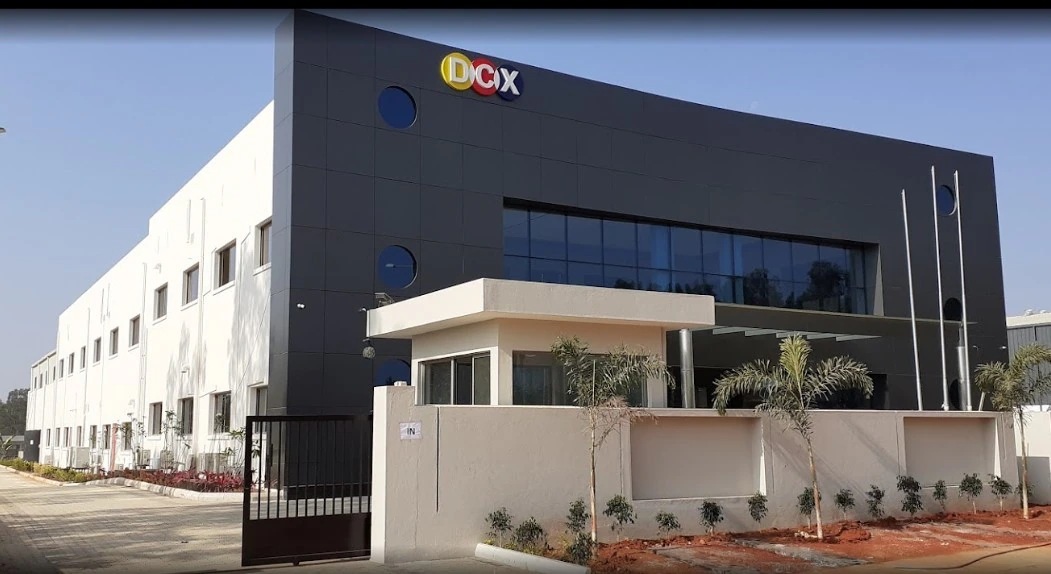
Listen, someone has to build the radar systems that go inside fighter jets. Someone has to manufacture the cable harnesses for missile guidance systems. Someone has to assemble the circuit boards that help the Indian Air Force know if that’s a bird or a Chinese drone. That someone is DCX Systems.
The company was incorporated in 2011, and by 2023, it was the darling of the defence startup ecosystem — IPO at ₹400 crores raised, QIP at ₹500 crores the next year. The stock hit ₹364 not that long ago. The order book was growing. The clients — ELTA Systems from Israel, Lockheed Martin from USA, HAL from India — were real names with real money. Things looked good. Very good. Then 2025 happened.
Q3 FY26 is the quarter that asks the hardest question about DCX: Can you be a growth company if your growth is upside down? Revenue fell 57% YoY. PAT went negative. Operating margins turned into red. But somehow, they still received ₹563 crores worth of orders just before the quarter ended. The market doesn’t know whether to call this a contrarian opportunity or a red flag waving in a hurricane.
CRISIL Rating Update (Feb 2025): CRISIL A-/Stable | CRISIL A2+. The agency sees “established market position” and “strong financial profile” because, well, they have ₹912 crores in cash and ₹0 in debt. But they also tagged “working capital intensive operations” and “moderate operating margins.” Basically: they’re not bankrupt yet, but they’re also not printing money.
03 — Business Model: What Are They Actually Doing?
Cable Harnesses, System Integration, And The Fine Art of Assembling Things That Go Boom
Members get full access to every article.