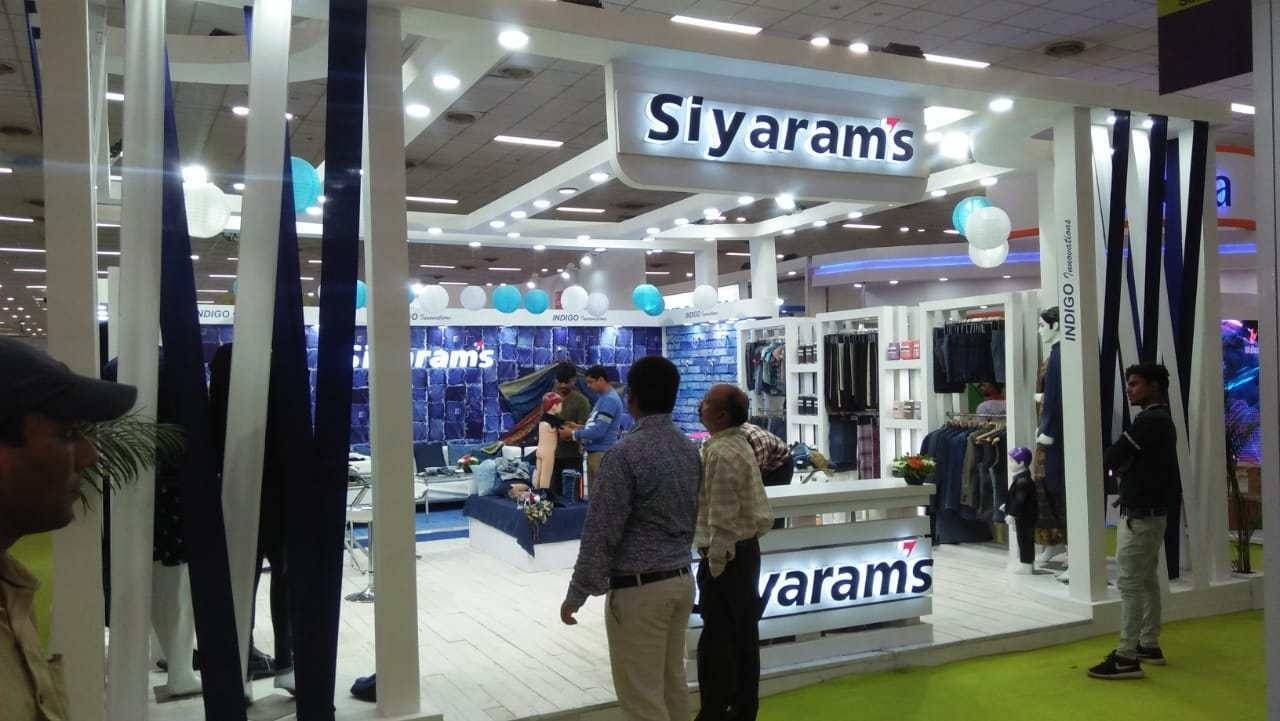
01 — At a Glance
The Suit-Makers Are Struggling To Sell In A T-Shirt World
- 52-Week High / Low₹850 / ₹453
- Q3 FY26 Revenue₹623 Cr
- Q3 FY26 PAT₹42 Cr
- Annualised EPS (Q1–Q3 Avg × 4)₹37.43
- TTM EPS₹45.39
- Book Value / Share₹299
- Price to Book1.57x
- Debt / Equity0.30x
- Interest Coverage9.45x
- Current Ratio2.18x
Flash Summary: Siyaram Silk just posted Q3 PAT of ₹42 crore—down 8.65% YoY despite revenue up 9.2%. The company is opening ZECODE and DEVO stores to capture Gen Z and ethnic wear, but this retail experiment is diluting margins by 100–150 bps per year. The good news? The stock is down 30% in a year and trades at 10.4x P/E with 16.4% ROE. The bad news? Management’s definition of “cautious demand” in the Feb concall sounded like “customers walked in, saw prices, and walked out.” Fabric is still king at 78% of revenue, but the kingdom is getting hot.
02 — Introduction
Meet Siyaram: The Tailor’s Hero Who Nobody’s Ordering Suits From Anymore
Siyaram Silk Mills has been making suiting fabrics since your grandfather bought his first office suit. The company is an institution in Indian formal wear—they’ve dressed everyone from government officers to corporate drones to that uncle who shows up in the same blazer to every wedding for the last 15 years.
But here’s the thing: formal wear is becoming a museum exhibit. Gen Z thinks a suit is what you wear when you’re being punished. Your average millennial works from home in pajamas. Even the government offices are quietly accepting casual Fridays. Siyaram, wisely realizing that selling ₹10,000 metres of fabric per quarter to traditional merchants might not be a growth story, decided to launch ZECODE (fast fashion for Gen Z at ₹999 price points) and DEVO (ethnic wear). It’s adorable. It’s bold. It’s also losing money.
Q3 FY26 showed revenue growth of 9.2% to ₹623 crore, but PAT collapsed 8.65% to ₹42 crore. One-time labour costs, stepped-up advertising, and inventory build for Q4 (peak wedding season) all hit margins. Management’s February concall was brutally honest: demand is “largely occasion-driven with spikes limited to key events,” which is Wall Street speak for “people only buy when forced to by weddings.”
Management Quote from Feb 2026 Concall: “It’s a seasonal business… we don’t look at quarterly numbers because they vary a lot.” Translation: Q3 was painful. Don’t ask follow-up questions. Look at the full year instead.
03 — Business Model: WTF Do They Even Do?
They Make Fabric. They Make Clothes. They Make Stores That Lose Money.
Siyaram is a vertically integrated textile monster with looms, dyeing units, garmenting lines, and a sprawling retail network. The business has four engines: Fabrics (78% of Q3 revenue), Garments (15%), Yarn & Others including indigo (7%), and a newer retail push with ZECODE and DEVO.
The fabric business is the core profit driver—suiting fabrics for men’s wear, 100% cotton, polyester-viscose blends, all the nerdy stuff that makes a suit drape. Brands like Siyaram’s, J. Hampstead, and Mistair own the premium segment. The garment side makes ready-to-wear (Oxemberg, Mozzo), and the retail side is supposed to be the future. Except the future is currently hemorrhaging cash.
Management runs an “asset-light” model where 40% of fabric manufacturing is outsourced, giving them flexibility. This helped during COVID. Today, it means they can scale fast without capex. But it also means they’re fighting raw material volatility—cotton and polyester yarn are 30–40% of their costs, and every global cotton spike turns their P&L into a pinball machine. They hedge with forward contracts, but hedging doesn’t always work. Just ask them about Q3.
Fabric Revenue78%The Real MVP
Garment Sales15%Growing slow
Yarn & Others7%Including indigo
New Retail5%Still bleeding
The funny part? Management explicitly told investors in Feb: “We are not chasing numbers in terms of store openings. Very calculated in terms of store openings.” What this means: ZECODE / DEVO opened only 7 stores in Q3 (down from ~8-10 in prior quarters) because “we wanted to focus on operations during the festive season.” Translation: they couldn’t afford to open stores AND manage the ones they had while trying to sell wedding clothes during India’s peak wedding season. Priorities.
04 — Financials Overview
The Numbers That Made The CFO Sweat
Result type: Quarterly Results | Q3 FY26 EPS: ₹9.24 | (Q1+Q2+Q3)/3 avg EPS = (₹1.01 + ₹19.17 + ₹9.24)/3 = ₹9.81 | Annualised EPS: ₹39.24
| Metric (₹ Cr) |
Q3 FY26 Dec 2025 |
Q3 FY25 Dec 2024 |
Q2 FY26 Sep 2025 |
YoY % |
QoQ % |
| Revenue | 623 | 570 | 706 | +9.20% | -11.8% |
| Operating Profit | 68 | 67 | 108 | +1.49% | -37% |
| OPM % | 11% | 12% | 15% | -100 bps | -400 bps |
| PAT | 42 | 46 | 87 | -8.65% | -52% |
| EPS (₹) | 9.24 | 10.11 | 19.17 | -8.65% | -51.7% |
What Exploded in Q3? Management attributed the PAT collapse to three things: (1) One-time employee benefits linked to the new labour code (~₹10–12 crore impact), (2) stepped-up advertising and sales promotion spend (another ₹10–12 crore), and (3) inventory build ahead of Q4 wedding season, which inflated working capital costs. The company said it will normalize in Q4. We’ll see about that.
Demand Talk from Concall: Management said demand “picked up at the start of the festive season” but “customers stayed cautious with their spending and footfall remained moderate.” This is India in 2025—even during Diwali, people are checking prices. The fact that Q2 (Sep, which includes Diwali) was better than Q3 (Dec, with Christmas shopping) tells you everything about current spending psychology.
💬 If raw material costs are still volatile and demand is “occasion-driven,” can Siyaram actually defend these margins, or are we looking at a structural compression? Drop your thoughts.
05 — Valuation Discussion
What Is This Fabric Weaver Actually Worth?