Search for stocks /

DDev Plastiks Industries:₹733 Cr Revenue. 24.9% ROE. Making Plastic Compounds So Good, They’re Planning Batteries.

DDev Plastiks Q3 FY26 | EduInvesting
Q3 FY26 Results · Quarterly Results (Oct–Dec 2025)

DDev Plastiks Industries:
₹733 Cr Revenue. 24.9% ROE.
Making Plastic Compounds So Good, They’re Planning Batteries.

India’s largest polymer compounder just crushed another quarter, upped capacity by 30,000 MTPA, and decided batteries are the new plastic. Because why stay profitable when you can be ambitious?

Market Cap₹2,375 Cr
CMP₹230
P/E Ratio11.9x
ROE24.9%
Div Yield0.76%

The Plastic Compound King Nobody Talks About (Until They Want Their Lights On)

  • 52-Week High / Low₹360 / ₹224
  • Q3 FY26 Revenue₹733 Cr
  • Q3 FY26 PAT₹48 Cr
  • TTM EPS₹19.23
  • Annualised EPS (Q3 Avg × 4)₹18.64
  • Book Value / Share₹88.5
  • Price to Book2.59x
  • Debt to Equity0.05x
  • Current Ratio3.19x
  • 9M FY26 Revenue₹2,182 Cr (+17% YoY)
Flash Summary: DDev Plastiks Q3 FY26 delivered ₹733 crore revenue (+10.9% QoQ), ₹48 crore PAT, with 11% EBITDA margins holding steady. 9M FY26 shows ₹2,182 crore revenue, up 17% YoY. Stock down 33% in 6 months, trading at 11.9x P/E with 24.9% ROE. Then management announced: ₹150 crore BESS plant (battery storage), 5 GWh capacity, ₹300-500 crore FY27 revenue target. Yes, the plastic guys are now battery guys. Diwali without fireworks feels less shocking.

Plastic Compounds: The Un-Sexy Business That Powers Everything

Imagine you’re an Indian wire and cable manufacturer. Your customer (a massive infrastructure company) calls and says: “We need 1,000 tons of special polymer compound by next month, or we can’t make cables for the Delhi Metro expansion.” You panic. Then you call DDev Plastiks. They deliver. You breathe. That’s their whole business, and it’s a ₹11.51 lakh crore addressable market globally.

DDev Plastiks Industries Ltd is India’s largest listed manufacturer of polymer compounds — the material that surrounds electrical wires and makes them not catch fire. Founded in 1985 by the Surana family (Kolkata industrialists who’ve been in chemicals for over 50 years), the company demerged from Kalpana Industries in March 2022 and listed on NSE in January 2025. That’s right — this company has 40 years of operating history but just went public last year.

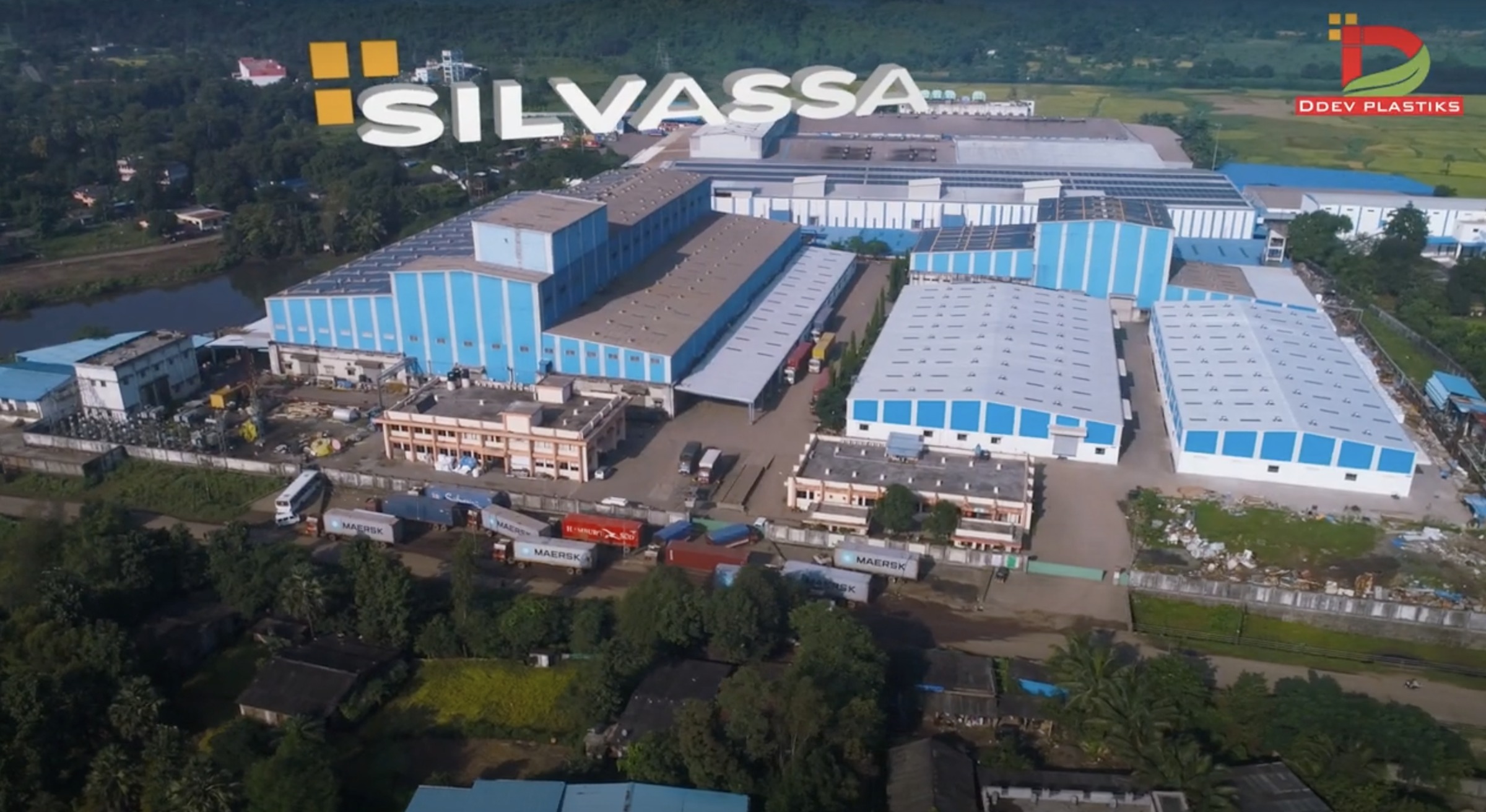
With 5 manufacturing plants across West Bengal, Daman, Silvassa, and Noida, DDev supplies customized polymer compounds to wire & cable makers (83% of revenue), plus packaging, white goods, footwear, and infrastructure sectors. Clients include KEI Industries, Havells, Apar Industries, KEC International — basically every large wiring company you’ve never heard of.

But here’s the twist that makes this company interesting: they just announced battery energy storage systems (BESS) as a “new line of business.” January 2026 board approval, February 2026 concall. Phase 1 capex: ₹150 crore. Capacity: 5 GWh. Revenue target FY27: ₹300-500 crore. By 2030, they want ₹5,000 crore revenue (combined core + BESS). That’s not incrementalism. That’s a moonshot.

CRISIL Rating Update (Apr 2025): DDev upgraded to CRISIL A+/Stable from A/Positive. Note: CRISIL A+ is investment grade, not top-tier AAA, but “Stable” outlook suggests no near-term concerns. Rating reflects “healthy market position, wide product range, strong clientele” and improving financial profile. Cash accrual expected ₹180-260 crore annually. No long-term debt. Liquidity: “Strong.”

Polymer Compounds: Where Chemistry Meets Cable Industry Chaos

Picture this. A power cable carrying electricity to your home is 50% copper/aluminum conductor and 50% insulation. That insulation? Polymer compound. DDev makes it.

The company manufactures across 5 product categories with 200+ SKUs. Sioplas/XLPE compounds (the crosslinked polyethylene stuff for high-voltage cables) is the star — 80% market share in high-voltage segments. PVC compounds come next (low voltage, house wiring). Then HFFR (halogen-free flame retardant) — the safer, government-mandated choice for public buildings, metros, hospitals. Engineering plastics and masterbatches round out the portfolio.

Revenue model is straightforward: manufacture, add a cost-plus markup (insulating them from raw material price shocks), and sell to cable makers. Raw materials (low-density PE, high-density PE, PVC resin) are 60-70% procured from Reliance, IOCL, ONGC. Import the rest from Middle East. Capacity utilization: 81% (9M FY26). Installed capacity: 233,400 MTPA. Production volume 9M FY26: 150,000 tons.

Gross margins improved to 18% (from 13% historically) due to product mix shift toward high-margin PE compounds (now 85% of income vs 76% four years ago). EBITDA margins holding steady at 10-11%. Debt/Equity is negligible at 0.05x. Interest coverage: 11.2x. Working capital cycle: ~72 days (getting longer, more on that later).

Cable & Wire83%of revenue
PE Compounds85%product mix
Exports27%of Q3 revenue
Capacity Util81%9M FY26
The moat here is hidden. Polymer compounding sounds generic, but it’s not. Each cable customer has unique requirements — voltage rating, temperature tolerance, flame resistance, environmental standards. DDev has 40 years of formulation data, customer relationships, and certifications (including rare US certifications for export). Competitors from China or Europe exist but lack India relationships. Backward integration by large cable players? Possible but capital-intensive and unproven.

The Numbers: Solid, But Watch The Working Capital Trap

Result type: Quarterly Results  |  Q3 FY26 EPS: ₹4.64  |  Avg Q1–Q3 EPS: (₹5.00+₹4.55+₹4.64)/3 = ₹4.73  |  Annualised EPS: ₹18.92

Metric (₹ Cr) Q3 FY26
Dec 2025
Q3 FY25
Dec 2024
Q2 FY26
Sep 2025
YoY % QoQ %
Revenue733661680+10.9%+7.8%
EBITDA807064+14.3%+25.0%
EBITDA Margin %11%11%9%flat+200 bps
PAT484747+2.1%+2.1%
EPS (₹)4.644.504.55+3.1%+2.0%
The Smile & Frown Story: Revenue up 10.9% YoY, EBITDA up 14.3% YoY (margin expansion!), but PAT up only 2.1% YoY. Why? Interest costs rising slightly, tax headwinds, and one-off items. YoY compares Dec 2025 vs Dec 2024 (both same quarter last year), so seasonality isn’t the culprit. 9M FY26 story is healthier: revenue ₹2,182 cr (+17% YoY), PAT ₹147 cr (+18% YoY).
Management Guidance Watch: During the concall, CFO noted sequential improvement in EBITDA/ton (₹150-200/ton QoQ uplift; running rate ~₹15,500/ton). But management also acknowledged working capital is getting stretched: debtor days now 65 (was 60 in Mar 2024), inventory days 42 (was 38). Q3 FY26 working capital cycle now 72 days (Mar 2025 was 66 days). Longer cycles = more cash tied up = future financing pressure if not managed.
💬 The BESS moonshot: does ₹150 crore capex to build a 5 GWh battery plant make sense for a ₹2,300 crore market cap company? Or is this classic Indian founder syndrome — “we’re good at something, so we’re good at everything”? Your take?

Is ₹230 A Deal or Dead Money?

error: Content is protected !!
Verified by MonsterInsights