01 — At a Glance
The South’s Favorite Milk Heist: Buying Butter in a Drought That Doesn’t Exist
- 52-Week High / Low₹542 / ₹294
- Q3 FY26 Revenue₹1,119 Cr
- Q3 FY26 PAT₹34.6 Cr
- TTM EPS₹17.71
- Book Value / Share₹112
- Price to Book2.75x
- ROCE25.3%
- Debt to Equity0.21x
- OPM (9M FY26)6.6%
- 3M Return-32.4%
Flash Summary: Heritage Foods Q3 FY26 delivered PAT of ₹34.6 crore, but here’s the thing—that was the result of a milk shortage so severe the company bought butter from external markets at inflated prices. Procurement volumes fell 9% YoY, the first decline in three years. Margins got squeezed like actual dairy cows. Yet somehow, CRISIL upgraded the company to AA-/Stable in March 2026, and the stock is down 32% in three months anyway. Welcome to South Indian dairy reality.
02 — Introduction
The Milk Cartel Nobody Talks About But Everyone Drinks
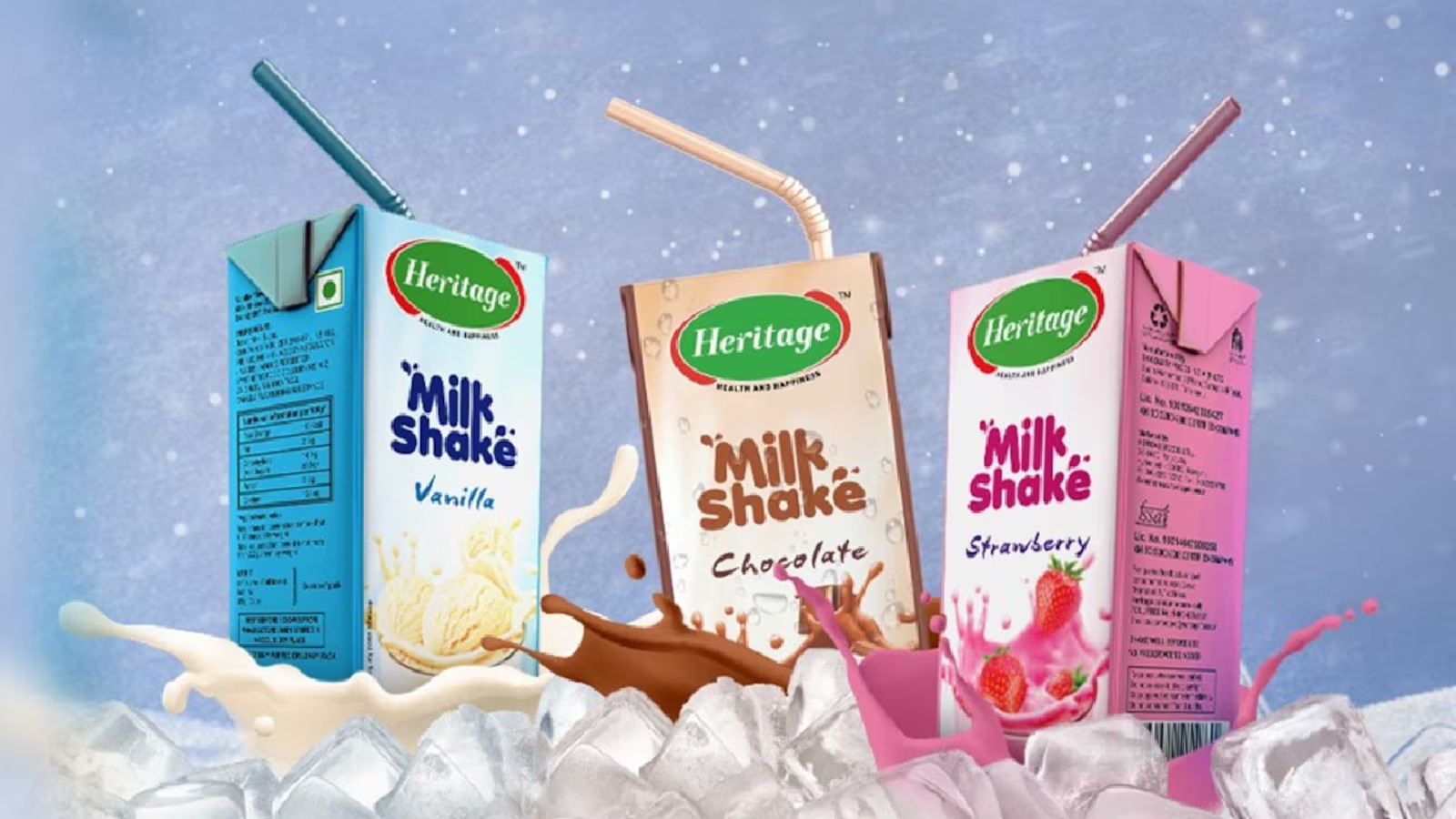
Heritage Foods is a Hyderabad-based dairy giant that quietly supplies milk, yogurt, ice cream, and paneer to 19 states across India. If you’ve ordered milk on Blinkit at 11 PM, there’s a decent chance it came from one of Heritage’s 18 processing plants scattered across South and West India. They procure milk from 9 states, run 859 Heritage Parlors (think Starbucks for milk people), and maintain a distribution network that touches 205,000 retail outlets daily. Not bad for a company most mainstream investors have never heard of.
The business model is deceptively simple: buy milk from farmers at variable rates, process it, add value through yogurt/paneer/ice cream, and sell it across India. The trouble? Milk prices are determined by farmers, the weather, global butter prices, and apparently the migration patterns of monsoon systems in Andhra Pradesh. Q3 FY26 was the quarter where all four variables conspired against you.
Management used the phrase “unusual industry supply environment” at least five times in the concall—which in English translates to “we got absolutely hammered by milk prices but are putting a brave face on it.” Milk procurement costs were up 9% YoY while the company could only raise consumer prices by 4.9% in liquid milk. The math doesn’t work, and it showed.
The Concall Bombshell: “For the first time in two years, even during flush [harvest season], the company had to do bulk butter purchases at elevated market prices in November.” This is like a vegetarian restaurant buying pre-cooked steaks. Heritage’s margin degradation wasn’t a choice—it was operational necessity dressed up as supply chain management.
03 — Business Model: WTF Do They Even Do?
They Turn Cows Into Rupees. And This Quarter, They Paid Extra for the Conversion.
Members get full access to every article.