Gujarat Themis Biosyn:₹43.4 Cr Revenue. ₹1,246 L PAT. TB Drugs & Fermented Dreams.

Gujarat Themis Biosyn Q3 FY26 | EduInvesting
Q3 FY26 Quarterly Results · Dec 31, 2025

Gujarat Themis Biosyn:
₹43.4 Cr Revenue. ₹1,246 L PAT.
TB Drugs & Fermented Dreams.

A tiny pharmaceutical company turning bacteria into profit. Revenue up 9.74% YoY, margins holding steady at 49%, and they just doubled their fermentation capacity. Meanwhile, your TB medicine arrived exactly on time. As is tradition.

Market Cap₹2,972 Cr
CMP₹272
P/E Ratio62.2x
Div Yield0.24%
ROCE27.3%

The Fermentation Factory That Makes TB Drugs Look Profitable

  • 52-Week High / Low₹479 / ₹222
  • Q3 FY26 Revenue₹43.37 Cr
  • Q3 FY26 PAT₹12.46 Cr
  • Q3 EPS (₹)₹1.14
  • Annualised EPS (Q3×4)₹4.56
  • Book Value₹24.3
  • Price to Book11.2x
  • Dividend Yield0.24%
  • Debt / Equity0.27x
  • OPM (Q3 FY26)49.1%
Auditor’s Opening Note: Gujarat Themis Biosyn finished Q3 FY26 with ₹43.37 crore revenue (+9.74% YoY), ₹12.46 crore PAT, and a 49.1% operating margin that would make most pharma companies weep into their Ayurvedic supplements. The stock is trading at 62.2x P/E — which is either a sign of explosive future growth, or the market is pricing in the company curing TB with fermentation. Spoiler: it’s neither. It’s just a niche API manufacturer that the Sensex doesn’t know exists yet.

When Bacteria Makes Better Profits Than Your Mutual Fund

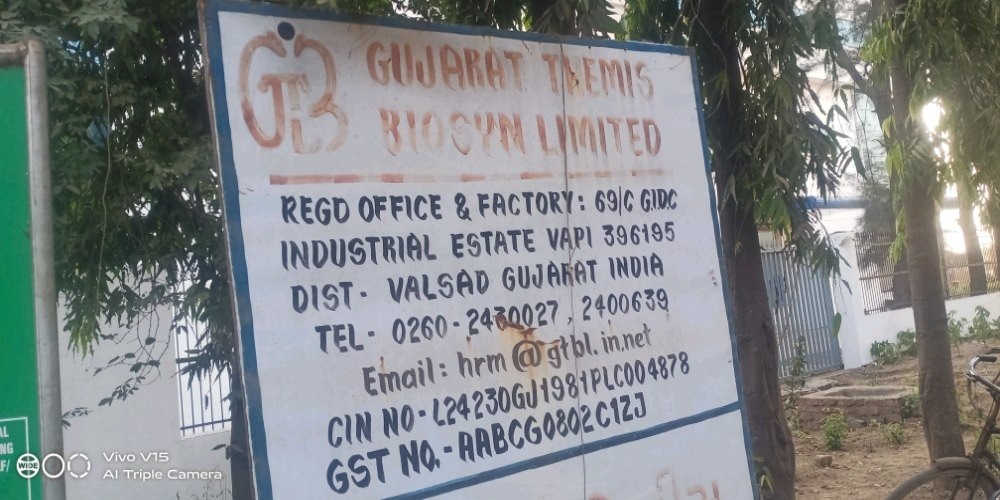
Let’s talk about Gujarat Themis Biosyn Limited (GTBL). No, not the Bollywood production house. This is the company that makes the boring chemical building blocks for TB and diarrhea medicines. The kind of company that doesn’t appear on NDTV Profit, but appears in your doctor’s prescription notes like clockwork.

Founded in 1981, GTBL is India’s first commercial manufacturer of Rifampicin using fermentation. Rifamycin S and Rifamycin O — two niche pharmaceutical intermediates — are their bread and butter. They’re not glamorous. They’re not trending on Twitter. But they’re profitable, consistent, and the market fundamentally doesn’t understand why. Perfect smallcap bait.

Q3 FY26 delivered exactly what management promised: steady volumes, healthy margins, and zero surprises. Revenue up 9.74% YoY. EBITDA up 12.9%. PAT at ₹12.46 crore. Meanwhile, they’re running an expansion project that would make most companies hyperventilate into a prospectus — doubled fermentation capacity, new API unit live, R&D hitting 3% of revenue, and a hybrid power plant being set up because India’s power grid apparently isn’t cool enough for their fermentation aspirations.

The stock is up 7.89% over a year and the market is still pricing it like Reliance’s secret startup. We’re here to decode the fermentation.

Concall Intelligence (Feb 2026): Dr. Sachin Patel: “This nine-month period had R&D spend of approximately 3% of revenue.” Translation: They’re serious about new products, not just fermentation theatre. The API block validation is done. Export pipelines to US and Europe are active. And nobody’s talking about this company except the TB patients who get their medicine on time.

They Make The Raw Materials For Medicines. The Unglamorous Middle Child of Pharma.

GTBL doesn’t make finished medicines. They make intermediates — the chemical building blocks that other companies (Lupin, Optrix) use to manufacture actual drugs. Think of it like being the supplier of leather to a shoe factory. Essential. Profitable. Completely invisible to the end consumer.

Their main products are Rifamycin S and Rifamycin O — used in the manufacture of Rifampicin (TB treatment) and Rifaximin (diarrhea, digestive disorders). GTBL’s fermentation process is complex, capital-intensive, and has high entry barriers. That’s the moat. Not brand. Not distribution. Just bacteria doing exactly what bacteria should do in a CGMP-certified facility in Vapi, Gujarat.

Customer concentration risk? Massive. Lupin contributes ~56% of sales. Optrix ~44%. But here’s the kicker: both have take-or-pay agreements. Lupin has a 5-year contract. Optrix is renewed annually with a take-or-pay clause. Translation: even if demand crashes, GTBL gets paid. It’s the kind of customer stickiness that a Reliance would trade its diversification for.

Fermentation450 KLNow 990 KL (Oct 2025)
Rifamycin SCoreTB Drug Intermediate
Rifamycin OGrowingDigestive Care
Capacity Util.100%Fully Booked
Expansion Alert (Feb 2026): Fermentation capacity doubled to 990 KL post October 2025 commissioning. This is the real growth driver. They were previously capacity-constrained. Now they can scale. The question: can they fill that capacity? Dr. Sachin says “existing clientele” is already lined up for the new capacity. Let’s see.
💬 Would you trust a company that only has 2 customers, even if both are Fortune 500 pharma companies? Drop your risk appetite in the comments!

Q3 FY26: The Numbers That Deserve Better Attention

Result type: Quarterly Results  |  Q3 FY26 EPS: ₹1.14  |  Annualised EPS (Q3×4): ₹4.56  |  TTM EPS: ₹4.38

Metric (₹ Cr) Q3 FY26
Dec 2025
Q3 FY25
Dec 2024
Q2 FY26
Sep 2025
YoY % QoQ %
Revenue43.3739.5242.35+9.74%+2.41%
EBITDA21.3118.8720.94+12.9%+1.76%
EBITDA Margin %49.1%47.7%49.5%+140 bps-40 bps
PAT12.4612.9714.26-3.93%-12.6%
EPS (₹)1.141.191.31-4.2%-13.0%
The PAT Dip Explained: Q3 FY26 PAT is down 3.93% YoY despite revenue being up 9.74%. Why? Manpower costs. The new API unit. New fermentation capacity coming online requires incremental staffing. Tax rate slightly higher (26% vs 25% prior year). But look at EBITDA — up 12.9%. The bottom line weakness is temporary inflationary noise, not business deterioration. Compare Q2 to Q3: PAT fell because Q2 had exceptional performance. Consistency is the story here, not growth explosiveness.

What’s a Fermentation Intermediate Company Worth Again?

error: Content is protected !!
Verified by MonsterInsights