01 — At a Glance
The Story Nobody Wants to Hear
- Q3 FY26 Sales (Standalone)₹1,420 Cr
- Q3 FY26 PAT₹10 Cr (Non-GAAP)
- Q3 Adj. PAT (Labour Code Impact)₹12 Cr
- 9M FY26 PAT-₹8 Cr (Loss)
- 9M FY26 Sales Growth5% YoY
- Debt to Equity11.6x
- Interest Coverage0.94x
- Current Ratio0.84x
- ROE (TTM)3.39%
- ROCE7.96%
Auditor’s Grim Note: Shoppers Stop reported a 9-month loss of ₹8 crore (after Labour Code adjustments) on revenues of ₹3,861 crore. Debt-to-equity stands at 11.6x. Interest coverage at 0.94x means they’re paying more in interest than they can earn. The company hasn’t paid a dividend since forever. And somehow, this is still trading on “premium positioning.” The irony is thicker than the Mumbai humidity in June.
02 — Introduction
Fashion Retailer or Distressed Asset? The Mystery Deepens
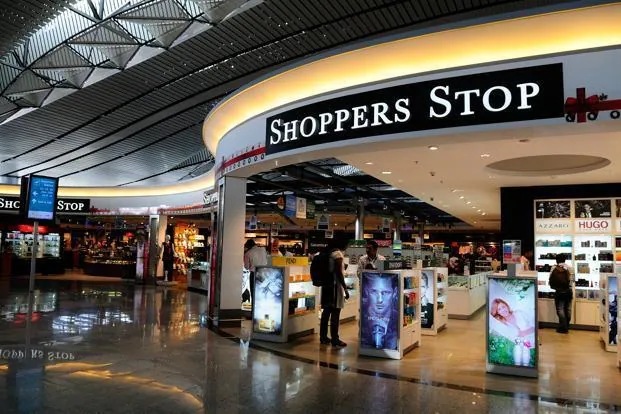
Shoppers Stop. Established 1991. India’s “premier fashion and beauty retailer” with 800+ brands. 301 stores across 71 cities. 4.4 million square feet of retail space. And yet — somehow, they’re losing money on flat sales while sitting on ₹3,324 crore in debt.
The problem? Two things have happened to India’s discretionary spending. One, it’s been slowly asphyxiated by inflation. Two, e-commerce has made sure you can buy that same shirt online for half the price without wearing uncomfortable shoes at 10 am on a Monday.
But Shoppers Stop’s management is betting big on “premiumization.” Translation: “We’re going to charge more for the same products because our customers can afford it.” Except, Q3 results suggest customers are buying less, not more. And they’re certainly not buying premium.
Yet, the company is still expanding. Still talking about growth. Still pretending that opening 300+ new beauty boutiques across India will somehow turn loss-making INTUNE (their budget fashion experiment) and bleeding SSBeauty.in (their online beauty store) into future goldmines. Spoiler: spoiler tags might not be enough for this one.
Q3 Concall Highlight (Jan 2026): “We continued to make steady progress on our strategic priorities.” Translation: “We opened more stores. They didn’t sell. But we called it progress because that’s what press releases do.” — Exactly.
03 — The Business Model: Vibes Over Numbers
Selling Dreams. Accounting Nightmares.
Shoppers Stop operates like a boutique hotel operator who decided one day to open a supermarket. No strategic coherence. Just vibes.
Core Business (70% of sales): Premium department stores where you pay ₹6,000 for a piece of fabric called an “international blazer” because it was stitched in Vietnam by someone named “Hmmm, maybe Bangladesh.” Average Transaction Value in Q3: ₹2,040. Average Selling Price: ₹2,040. So basically, every customer walks in, buys one item, and leaves. Fast fashion this is not.
Beauty (23% of sales, growing): Licensed stores for Estée Lauder, M.A.C, NARS, ARMANI — basically, they’re landlords for international brands. Beauty grew 14% YoY because luxury beauty is recession-proof for the ultra-rich. But Beauty Distribution (the subsidiary) lost ₹24 crore in 9M FY26. Yes, they’re expanding this loss-making business.
INTUNE (6% of sales, bleeding): Budget fashion stores meant to capture mass-market value shoppers. They’ve opened 81 stores. Sales growth: 22% YoY. PAT Loss (9M): ₹66 crore. So basically, every INTUNE store open is like a tap pouring money out. Management calls it “calibrated expansion.” We call it “giving up slowly.”
SSBeauty.in: Online beauty. Lost ₹59 crore in 9M FY26. Growing 52% quarterly on a tiny revenue base because there’s a difference between growth and relevance. This is the former.
Premium Contrib.69%Q3 FY26
Beauty Contrib.23%Margin: -24%
INTUNE Loss-₹66 Cr9M FY26
Stores Open301All losing money
First Citizen Loyalty: 13.3 million members. 84% of Q3 sales came from them. So basically, the company is entirely dependent on repeat customers who’ve already seen the movie. Black Card members (premium tier): 21% of sales. Which is code for: “We’re getting revenue from just 21% of our customer base. Everyone else is just walking around.”
💬 Drop a thought: If your favourite shopping destination had zero dividend, massive debt, and kept expanding loss-making formats, would you still shop there? Or have you moved to apps that sell the same stuff for 40% less?
04 — Financials: The Numbers Game
Q3 FY26: Sales Flat. Morale Flatter.
Result type: Quarterly Results | Q3 FY26 EPS (Standalone, Non-GAAP): ₹0.50 | Annualised EPS (Q3×4): ₹2.00 | 9M FY26 EPS: Negative
| Metric (₹ Cr, Standalone Non-GAAP) |
Q3 FY26 Dec 2025 |
Q3 FY25 Dec 2024 |
9M FY26 |
9M FY25 |
YoY % |
| Net Revenue | 1,420 | 1,399 | 3,861 | 3,659 | 5.5% |
| Gross Margin % | 36.9% | 37.6% | 37.0% | 37.4% | -40 bps |
| EBITDA | 70 | 110 | 117 | 145 | -19% |
| PAT (Non-GAAP) | 10 | 45 | -8 | 15 | N/A |
| EPS (Non-GAAP, ₹) | 0.50 | 2.24 | -0.40 | 0.73 | -155% |
The Labour Code Bombshell: Q3 saw a ₹17.5 crore hit from new Labour Code provisions (gratuity + leave encashment). Adjust for this, PAT becomes ₹12 crore instead of ₹10 crore. Doesn’t matter much. The real story: 9M FY26 shows -₹8 crore in PAT after adjustment. The company is burning cash quarter after quarter. EBITDA down 19% YoY. Margins compressed by 40 bps. Even luxury can’t save you when demand is gone.
05 — Valuation: Show Me One Good Reason
Fair Value. As In, “Fairly Worthless”?