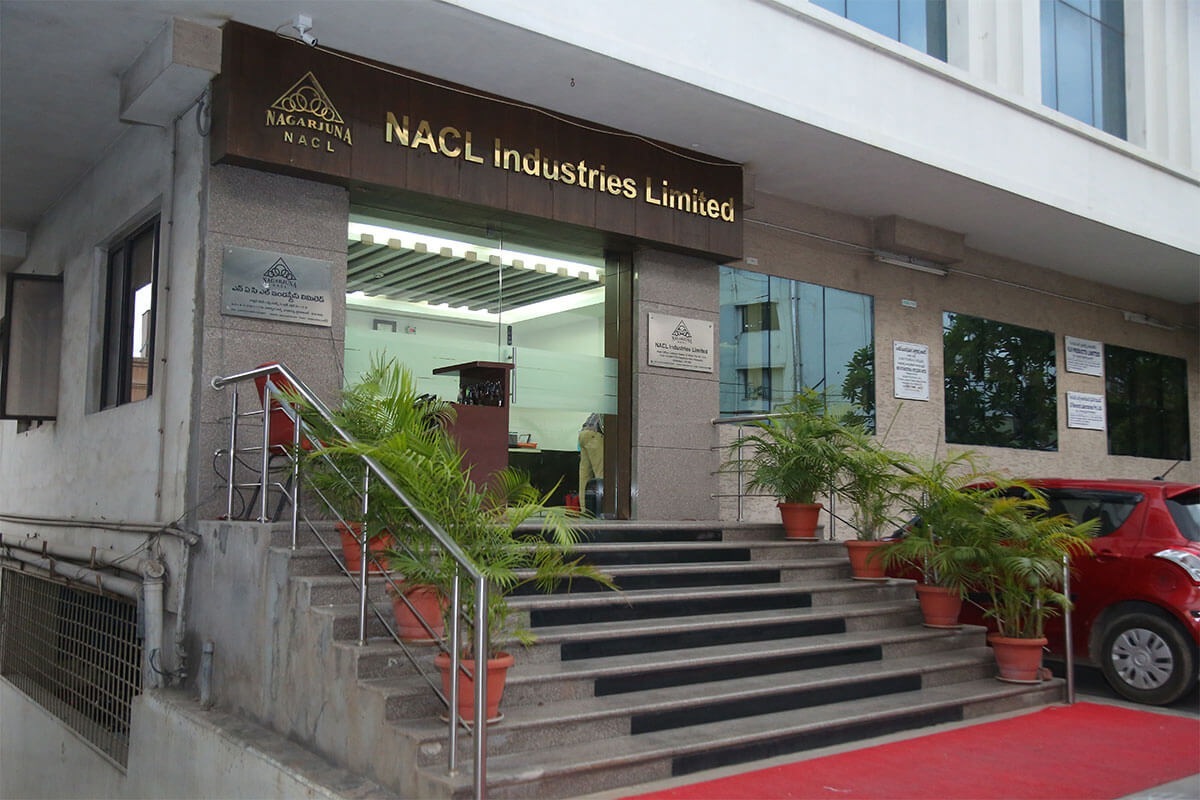
01 — At a Glance
The Pesticide Company That Needed Pesticide Itself
- 52-Week High / Low₹311 / ₹89.8
- FY25 Revenue (Full Year)₹1,235 Cr
- FY25 PAT (Full Year)-₹92.1 Cr
- Q3 FY26 Revenue₹318 Cr
- Q3 FY26 PAT-₹10.2 Cr
- Book Value₹19.0
- Price to Book7.16x
- Debt₹502 Cr
- Equity₹444 Cr
- CRISIL RatingAA/Stable (Upgraded)
The Setup: NACL Industries lost ₹60.3 crore in FY25. Its stock crashed 56% in 18 months. Banks were sweating. Then Coromandel International — a profitable Rs 3.5 trillion market cap company — acquired 53% in August 2025 and the stock went parabolic. Ratings jumped from A3/BBB- to AA/Stable. The company is now bleeding slower. On paper, it’s a turnaround. In reality, it’s a wounded gazelle being nursed back to health by a lioness. Let’s see if NACL survives the operation.
02 — Introduction
When Your Pesticide Company Becomes The Pest
NACL Industries is the agrochemical equivalent of that friend who keeps saying “mere paas plan hain bhai” but never executes. They sell insecticides, fungicides, and herbicides to farmers across India and to MNCs globally. Sounds solid. Sounds stable. Sounds… profitable. Except it’s not. It was, once. Then between 2022 and 2025, the company imploded so spectacularly that even the stock market needed therapy.
For three straight years, NACL played financial roulette with negative working capital, inventory bloat, and operating margins that swung like a cricket bat in a hurricane. The company that was supposed to serve 1.5 million farmers across 55,000 distribution points was busy serving financial heartburn to its lenders instead.
Then, in March 2025, Coromandel International showed up with a cheque for ₹402 crore (via open offer), acquired 53% voting control, and the market said: “finally, an adult in the room.” The stock went from ₹88 to ₹311 in months. A 252% rally on hopes and parent company comfort letters. By December, CRISIL upgraded the ratings from junk-tier (A3/BBB-) to investment grade (AA/Stable). Meanwhile, NACL is still posting ₹10 crore losses in Q3. The audacity. The hope. The comedy.
Now we’re in turnaround season. Management says revenues will hit ₹1,600–₹1,700 crore in FY26. EBITDA margins will hit 8–9%. Debt will shrink. The working capital nightmare will vanish. Coromandel will inject synergies, share distribution networks, and probably lend them ₹160 crore to keep the lights on. It’s not a business turnaround yet. It’s a parent company life support system. And like most parent rescues, it’s expensive, slow, and filled with awkward family dinners.
Coromandel’s Confidence Play: CRISIL explicitly noted in their Nov 2025 upgrade that NACL’s rating is now “notched up to factor in support from CIL” — which is finance-speak for “this company’s credit is only good because its daddy promised to keep it alive.” Brutally honest. Refreshingly transparent.
03 — Business Model: WTF Do They Even Do?
Selling Poison To Farmers. Very Legally.
Members get full access to every article.