01 — At a Glance
The Cement Company That Got Crushed By Cement Market
- 52-Week High / Low₹225 / ₹148
- Q3 FY26 Revenue₹574 Mn
- Q3 FY26 PAT₹18.4 Mn
- Q3 FY26 EPS (₹)₹0.69
- Annualised EPS (Q3×4)₹2.76
- Book Value₹57.8
- Price to Book2.59x
- Dividend Yield4.69%
- Debt / Equity0.04x
- FY25 Full Year PAT₹142 Cr
The Roast Begins: HeidelbergCement India just delivered ₹574 million revenue in Q3FY26 (highest in 20 years, they’ll proudly tell you). But profit jumped 255% YoY to ₹18.4 Mn because Q3FY25 was a spectacular ₹5 Mn (basically accounting’s equivalent of drowning). Stock returned -29.8% in 6 months. So that quarterly high-five they were about to give? Already cancelled. Market has opinions about cement companies that aren’t UltraTech.
02 — Introduction
Welcome to the Cement Industry: Where Margins Go To Die
Let’s talk about HeidelbergCement India. Yes, the company that makes cement. For 100 years. Quietly. Without asking for validation. And yet, here we are, staring at a balance sheet that looks like someone tried to build a skyscraper but the foundation kept moving.
The global parent company — HeidelbergCement Group from Germany — is the world’s #2 cement player (only behind China State Construction). They own 69.4% of this Indian subsidiary. The company operates three plants in Damoh (Madhya Pradesh), Jhansi (Uttar Pradesh), and Ammasandra (Karnataka). Capacity: 6.26 MTPA. Market share: painfully niche at ~2% of India’s total cement market. The other players? They laugh at this point and return to their 100+ MTPA portfolios.
The real story isn’t about cement. It’s about a regional player trying to survive in an industry where only scale winners exist. FY25 delivered PAT of ₹142 Crore. But Q3FY26 just threw a 255% earnings surprise by posting a mere ₹18.4 Mn PAT (₹16 Mn in Q3FY25 helped by an exceptional item of ₹45.6 Mn). The concall from May 2025 tells you everything: management knows the game is rigged. Prices are down. Costs are sticky. Competition is ferocious. And yet, they’re planning ₹2-3 MTPA expansions in Central India and Gujarat anyway. Optimism. Or delusion. Let’s find out.
May 2025 Concall Wisdom: “Price decline was the main driver of margin compression.” Translation: Everyone’s selling cement cheaper. Including us. Especially us.
03 — Business Model: We Make Grey Powder. It Gets Cheaper.
The Unit Economics Nobody Wants to Discuss
Heidelberg’s business is beautifully simple and depressingly straightforward. Limestone + clay + fuel + water = clinker. Clinker + gypsum + additives = Portland cement (98% blended, 2% OPC). Package it. Truck it. Sell it to contractors who’ll spend the next three years negotiating the price downward.
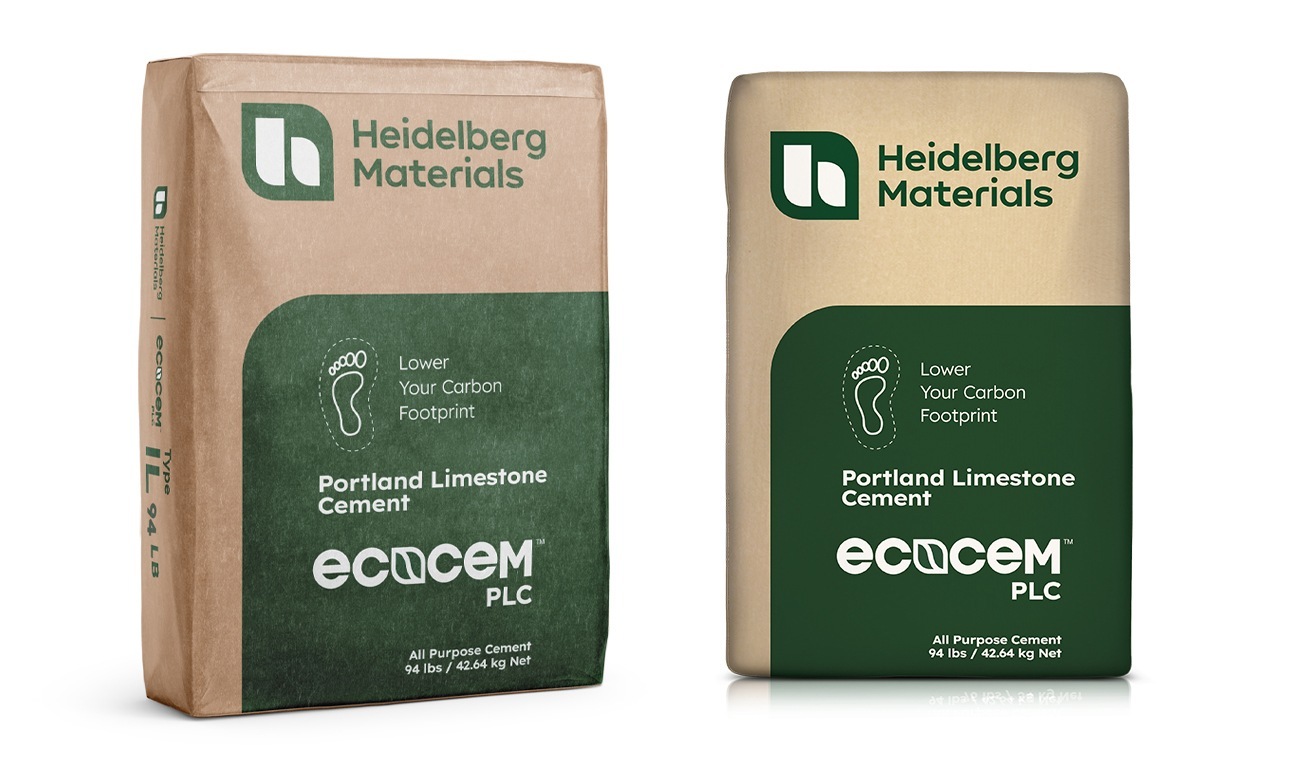
The company produces 100% blended cement under two brands: MyCem and MyCem Power. Installed capacity at 6.26 MTPA post-debottlenecking (which was supposed to add 200,000 tons by June 2025 from a kiln upgrade). Utilization running at ~85-86% (management’s words from the concall: “almost sold out”). Translation: they have 200,000 tons of unused capacity while still claiming they can’t find buyers. That’s the cement industry.
The distribution story is classic regional player suffering. ~2,705 active dealers across Central India and parts of South (Ammasandra plant). The big guys (UltraTech, Ambuja, ACC) have 5,000-12,000+ dealers. Heidelberg’s dealer network is like showing up to a football match with a ping-pong paddle. Logistics: 362 km average lead distance (Q4FY25: 367 km). This is the cost killer. Long-haul logistics + commodity pricing = margin compression. Structural. Permanent. Unchanging.
Blended98%OPC Play: 2%
Premium Mix43%FY25: +9ppt YoY
Capacity6.26 MTPAPost-Debottleneck
May Concall Roast: Management said “we are almost sold out” on 85-86% utilization. So they have 14-15% headroom but claim they’re tapped. This is what happens when you’re pricing at 100 but capacity says 126. You get creative with language.
💬 Question for readers: If a cement company says it’s “almost sold out” at 85% utilization, is that confidence or desperation? Comment below!
04 — Financials Overview: The Quarterly Rollercoaster
Q3 FY26: The Numbers That Don’t Make Sense
Result type: Quarterly Results | Q3 FY26 EPS: ₹0.69 | Annualised EPS (Q3×4): ₹2.76 | Full-year FY25 EPS: ₹6.14
| Metric (₹ Mn) |
Q3 FY26
Dec 2025 |
Q3 FY25
Dec 2024 |
Q2 FY26
Sep 2025 |
YoY % |
QoQ % |
| Revenue | 574 | 543 | 512 | +5.7% | +12.1% |
| EBITDA | 61 | 68 | 58 | -10.3% | +5.2% |
| EBITDA Margin % | 10.6% | 12.5% | 11.3% | -190 bps | -70 bps |
| PAT | 18.4 | 5 | 25 | +268% | -26.4% |
| EPS (₹) | 0.69 | 0.23 | 1.10 | +200% | -37.3% |
Dissecting the Madness: Revenue up 5.7% YoY but EBITDA down 10.3%. That’s the cement industry’s favorite party trick. They sell more volume and make less money. PAT jumped 268% because Q3FY25 posted only ₹5 Mn (a terrible base). Management blamed “kiln shutdown for debottlenecking in Q4FY25” which meant higher raw material costs (buying clinker from market at premium). The real story? Margin compression is structural, not seasonal. EBITDA/ton fell to ₹530 in FY25 from ₹659 in FY24 — a 20% YoY collapse. Management’s own words: “Rs 163 per ton price dilution” overwhelmed “Rs 79 raw material benefit” and “Rs 58 power benefit.” Translation: Prices fell faster than costs could follow.
05 — Valuation: Fair Value in a Falling Market
What’s This Company Actually Worth?
Method 1: P/E Based
FY25 full-year EPS = ₹6.14. Current P/E = 23.9x. Industry median P/E = 27.0x. Heidelberg trades at a discount to peers but given margin compression, that discount is justified. Fair P/E band: 15x–20x (accounting for structural margin headwinds and niche market position).
Range: ₹92 – ₹123
Method 2: EV/EBITDA Based
FY25 EBITDA = ₹290 Mn. Current EV = ₹3,076 Cr → EV/EBITDA = 10.6x. Cement industry median EV/EBITDA = 9.46x (Heidelberg trades above sector median). Fair EV/EBITDA: 9x–11x.
EV range (9x–11x): ₹2,610 Mn – ₹3,190 Mn → Per share (post net cash adjustment):
Range: ₹88 – ₹115
Method 3: DCF Based (Strained)
Operating CF FY25: ₹265 Mn (down from ₹350 Mn FY24). Conservative FCF: ₹200 Mn annually. Growth: 3–4% (cement industry structural growth, not their growth). Terminal growth: 2.5%. WACC: 9.5%.
→ PV of 5-year FCFs at 9.5%: ~₹980 Mn
→ Terminal Value (2.5% growth / 7% cap rate): ~₹2,860 Mn
→ Total EV: ~₹3,840 Mn (includes net cash of ₹3.9 Cr post-debt)
Range: ₹130 – ₹165
Fair Min: ₹88
CMP: ₹150 | Industry Median P/E: 27.0x
Fair Max: ₹165
CMP ₹150
⚠️ EduInvesting Fair Value Range: ₹88 – ₹165. CMP ₹150 sits near the midpoint of the range. This fair value range is for educational purposes only and is not investment advice. Please consult a SEBI-registered investment advisor before making any financial decision.
06 — What’s Cooking: News, Drama & Strategic Chaos
The Expansion Story Nobody Asked For