01 — At a Glance
The Comeback That Nobody Saw Coming (Or Wanted)
- 52-Week High / Low₹16.9 / ₹7.63
- FY25 Revenue (Full Year)₹3,284 Cr
- FY25 PAT (Full Year)₹216 Cr
- Full-Year EPS (FY25)₹0.41
- Installed Capacity1,350 MW
- Book Value₹8.46
- Price to Book0.98x
- Dividend Yield0.00%
- Debt / Equity0.85x
- Interest Coverage1.28x
The Plot Twist: RattanIndia Power reported Q3 FY26 PAT of ₹54.3 Cr on revenues of ₹728 Cr — a 1,153% profit surge YoY. Yes. You read that right. The company’s profit jumped by over 1,000%. But before you lose your mind, understand: Q3 FY25 saw barely ₹0.5 Cr profit due to coal shortages and a thermal disaster. So this “spike” is really just a recovery from rock bottom. Also, the stock’s 3-month return: -12.6%. The market’s message: “nice numbers, but we remember your past sins.”
02 — Introduction
Why Do We Write About Companies That Lose Money for 5 Years?
Let’s be honest: RattanIndia Power is not a glamorous stock. It’s not disrupting anything. It doesn’t have an app. It doesn’t promise AI. It’s a 1,350 MW thermal power plant in Amravati, Maharashtra, built in 2015, and it spent half a decade losing money so spectacularly that even accountants felt embarrassed auditing the books.
So why is it worth your time? Because the company is now printing money again — thanks to three magical words that never, ever fail in India: regulatory arbitrage wins. MSEDCL owed them ₹1,300+ crore in “regulatory receivables” (fancy term for “money we didn’t want to pay but the judge forced us to”). They’ve recovered most of it. The plant’s availability factor stabilized at 78–82%. Coal availability improved. And suddenly, a company trading at 0.98x book value — basically, cheaper than the land it’s built on — is posting decent quarters.
This is an education in three things: How power plants recover from near-death, how Indian regulatory arbitrage reshapes P&Ls, and why sometimes the most boring businesses are the ones with the most upside. Let’s decode it all.
Concall Revelation (Jan 30, 2026): Management revealed that Rs 876 crore was received from MSEDCL in H1 FY26 — nearly the entire annual regulatory receivable collection. This wasn’t forecasted, it wasn’t steady state, it was a one-time dump of overdue cash. The market ignored it. Your job: understand why.
03 — Business Model: WTF Do They Even Do?
They Burn Coal, Make Electricity, and Then Wait For Money
The business model is stupidly simple. Burn coal → Make steam → Turn turbines → Generate electricity → Sell to MSEDCL at a fixed tariff → Wait 6–12 months for payment. Repeat. Optionally: lose money for 5 consecutive years, appeal regulatory decisions, win, collect ₹1,300 crore in back-dated dues, and suddenly look solvent again.
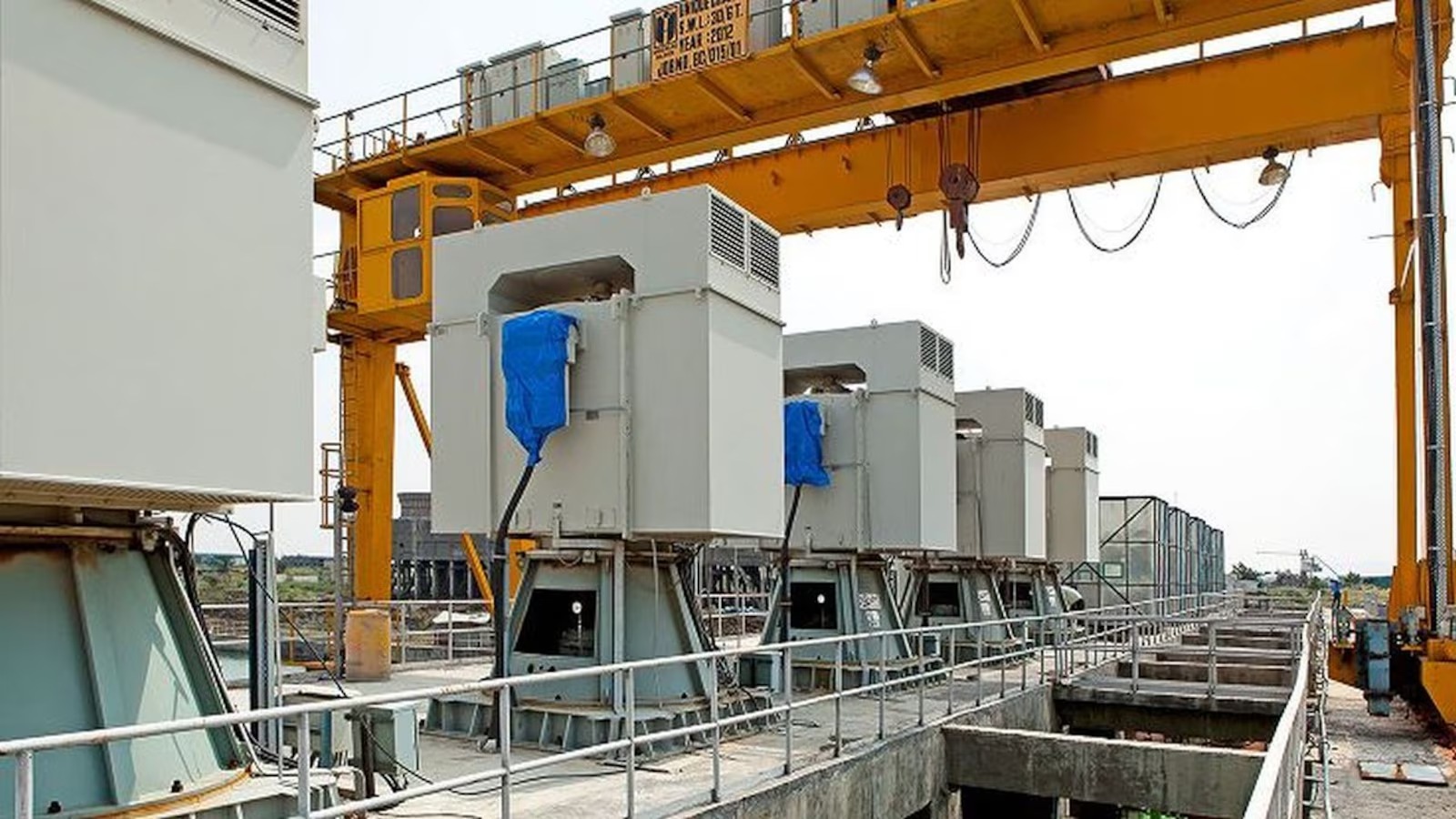
RattanIndia operates 1,350 MW of coal-fired capacity (5 units × 270 MW each) at Amravati. A 25-year power purchase agreement (PPA) with MSEDCL guarantees a buyer for 1,200 MW. The remaining 28 MW is sold on the Indian Energy Exchange (IEX) — basically, the secondary market for power. Fuel comes via a 25-year agreement with South Eastern Coalfields Limited (SECL) for 6.1 million tonnes per annum. Water is allocated by the state from the Upper Wardha Dam.
On paper, this is de-risked. On paper. In practice, MSEDCL is a cash-strapped state distributor that pays late, sometimes not at all, and makes a hobby of disputing invoices on technicalities. RattanIndia has been fighting them in regulatory tribunals (APTEL) for six years just to extract money they’ve legitimately earned.
PLF FY2578%Plant Load Factor
PAF FY2582%Availability Factor
PPA Tenure25 YrsTill 2040
Debt Write-Off₹10,659 CrFY25 Exceptional Item
The Sinnar Baggage: In FY25, RattanIndia wrote off its entire subsidiary, Sinnar Thermal Power Limited (1,350 MW), as a nonperforming asset. This triggered a ₹10,659 crore exceptional item deduction. Translation: on paper, they had ₹10,666 crore profit; in cash, they lost money. Welcome to Indian accounting.
💬 Should a power plant’s entire financial health depend on whether a politician-controlled state utility remembers to pay? Drop your thoughts below.
04 — Financials Overview
Q3 FY26: The Numbers That Make Auditors Nervous
Result type: Quarterly Results | Q3 FY26 EPS: ₹0.10 | Annualised EPS (Q3×4): ₹0.40 | Full-year FY25 EPS: ₹0.41
| Metric (₹ Cr) |
Q3 FY26
Dec 2025 |
Q3 FY25
Dec 2024 |
Q2 FY26
Sep 2025 |
YoY % |
QoQ % |
| Revenue | 728 | 733 | 654 | -0.7% | +11.3% |
| Operating Profit | 127 | 90 | 52 | +41.1% | +144.2% |
| OPM % | 18% | 12% | 8% | +600 bps | +1000 bps |
| PAT | 54 | 4 | -32 | +1,253% | SWING+ |
| EPS (₹) | 0.10 | 0.01 | -0.06 | +1,000% | SWING+ |
The Asterisk Nobody Talks About: Q3 FY25 PAT was ₹4 Cr because the plant ran at 74% PLF due to coal supply constraints and an unplanned capital overhaul. Q2 FY26 saw a ₹32 Cr loss for the same reasons. So when Q3 FY26 shows ₹54 Cr profit, understand: this is not growth. This is recovery. The annualised EPS of ₹0.40 (Q3×4) is almost identical to FY25’s ₹0.41. Translation: steady state, not acceleration.
05 — Valuation: The Discount That Freaks Everyone Out
Can You Really Buy Quality at 0.98x Book? (Short Answer: No.)