01 — At a Glance
The Cement Seller Who Refuses to Sell Cement (To The Wrong People)
- 52-Week High / Low₹1,537 / ₹774
- Q3 FY26 Revenue₹2,159 Cr
- Q3 FY26 PAT₹53 Cr
- Q3 EPS₹6.85
- Annualised EPS (Q3×4)₹27.4
- Book Value₹928
- Price to Book0.84x
- Dividend Yield1.26%
- Debt / Equity0.45x
- FY25 PAT₹295 Cr
Q3 Reality Check: Yes, PAT jumped 142% YoY. But wait—Q3 last year had a -₹25 crore PAT (negative). So jumping from negative to slightly less invisible doesn’t exactly warrant fireworks. Full-year FY25 PAT was ₹295 crore. The company stock price is at ₹782, and the 52-week high was ₹1,537—which means buying at the top would have given you a -49% return. Now that’s cement-level solid, if you catch my drift.
02 — Introduction
Welcome to Birla Corporation: Where Strategy Means Selling Less, Calling It a Win
Birla Corporation is one of the original Indian cement kings. Founded in 1919 as “Birla Jute Manufacturing Company,” it pivoted into cement, acquired RCCPL (which had Mukutban—a shiny new 3.89 MTPA plant), and now commands 20 MTPA of installed capacity spread across eight locations. The company is part of the MP Birla Group, which is currently entangled in a legal soap opera involving ownership succession, multiple board changes, and at least three different versions of what “good governance” might actually look like.
Over the past five years, the stock has delivered -1.06% returns. That’s not underperformance. That’s a masterclass in going absolutely nowhere. The cement industry is growing at 4-5% annually, and Birla Corporation has basically matched it with the precision of someone driving at exactly the speed limit while everyone else speeds.
Q3 FY26 was “mixed results,” as management delicately put it in the concall. Translation: We wanted to sell at high prices, the market decided otherwise, and we’d rather not sell volume at lower prices because that would make the numbers look bad. So we sold less volume, made the same or less money, and declared victory.
In this article, we’ll walk through the financials, the bizarre market dynamics, the ₹4,335 crore expansion plan (for a company making ₹295 crore PAT), and whether this is a value trap or a sleeping giant. Spoiler: It’s probably the former, but the cement is still very real.
Concall Gold: Management stated they “operate at almost 100%… sometimes 100% plus” capacity utilization and won’t sell at non-trade prices even if it means “not selling a single tonne.” That’s confidence. Or stubbornness. Tomato, tomahto.
03 — Business Model: Made of Clay, Run Like a Startup Founder
They Dig, Burn, Grind, Sell. They Refuse To Discount.
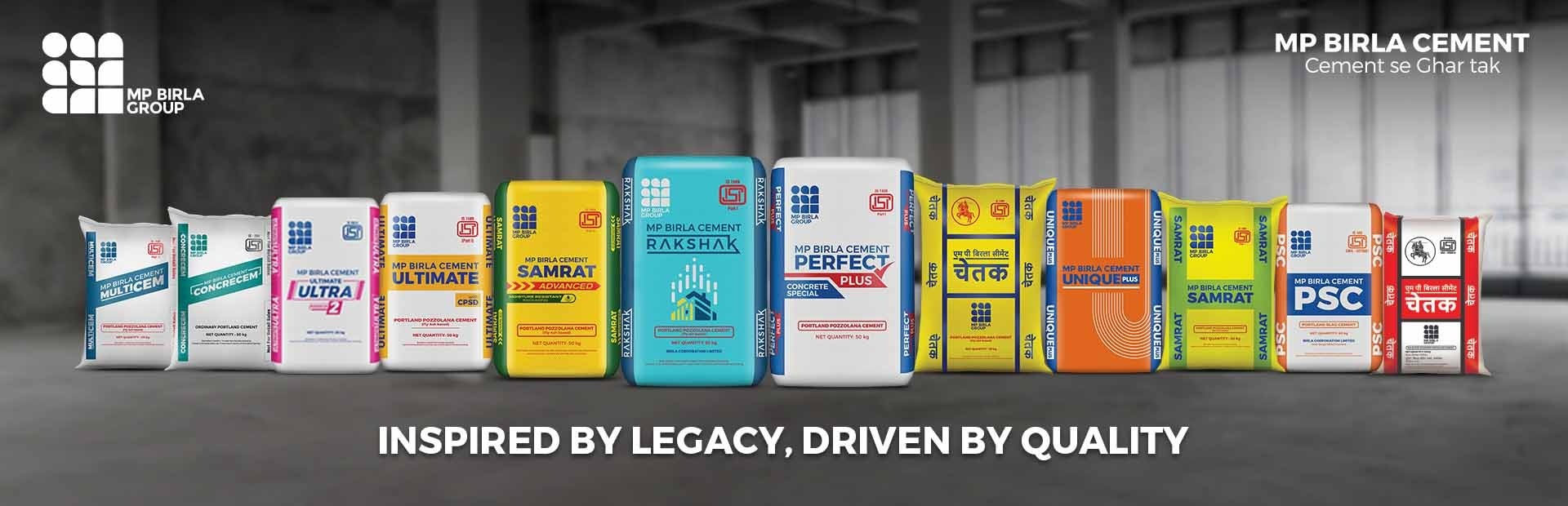
Birla Corporation manufactures cement—OPC, PPC, blended, low-alkali, slag cement. The brands include Chetak (North), Samrat (Central), Unique (premium), and a bunch of others that nobody outside their region has heard of. They have 11 cement plants across 8 locations, including the Mukutban integrated facility that was supposed to be a game-changer when commissioned in 2022 and honestly… it kind of is.
Cement is 95% of revenue. The remaining 5% comes from jute and a few other legacy businesses that exist mostly because the company can’t figure out how to shut them down without angering the Birla Group founders’ ghosts.
Geography: 50-60% of volumes from Central India (their fortress), 19-23% from East, 15-17% from North. They have 9,800 dealers and 37,500 sub-dealers. Distribution depth is not a problem. Pricing discipline, however, is apparently their middle name.
The concall reveals the real strategy: Management explicitly said they optimize for “clinker realization” (value per tonne of clinker), not just cement volume. They’ll pick blended cement + premium mixes + trade-only channels over chasing non-trade volume. In Q3, this meant they sold LESS cement (revenue down 4.34% QoQ) because the non-trade channel was willing to pay less, and they basically said: “No thanks, we’d rather have cash and self-respect.”
Central India50-60%Revenue Volume
Premium Mix63%of Volume
Capacity Util.~100%Sometimes 100%+
Installed Cap.20 MTPAConsolidated
The Mukutban Twist: This 3.89 MTPA integrated plant (added 2022) was supposed to fix everything. Management stated in the concall: it’s “performing absolutely beautifully,” achieved “highest ever dispatch” in Jan 2026 at 6.3 lakh tonnes, and has clinker costs that are “very, very competitive.” For context: it’s one of the best clinker-cost plants they run. Yet the stock is down 49% from its highs because the overall industry pricing sucks.
💬 If a company refuses to sell cheaper cement and the market rewards them by cutting the stock price 49%, is that stupidity or strategic stubbornness? Discuss in the comments—I’m genuinely curious.
04 — Financials Overview
Q3 FY26: The Numbers (And Why They’re Confusing)